Can Cerave SA Cleanser Truly Improve Keratosis Pilaris Effectively
The Dos and Don’ts of Using Salicylic Acid in Your Skincare Routine
Salicylic acid is one of the most effective exfoliating agents used in both facial and body care formulations. When applied correctly, it clears pores, refines texture, and helps control acne without compromising skin integrity. However, misuse—such as excessive frequency or combining with harsh actives—can lead to irritation or barrier damage. The key lies in understanding its chemistry, the right concentration for different skin types, and how to pair it with complementary ingredients like niacinamide or ceramides for balanced results.
Understanding the Role of Salicylic Acid in Skincare
Salicylic acid’s performance depends on its chemical structure and how it interacts with skin lipids. Its lipophilic nature allows deep penetration into sebum-filled pores, making it especially useful for oily and acne-prone conditions.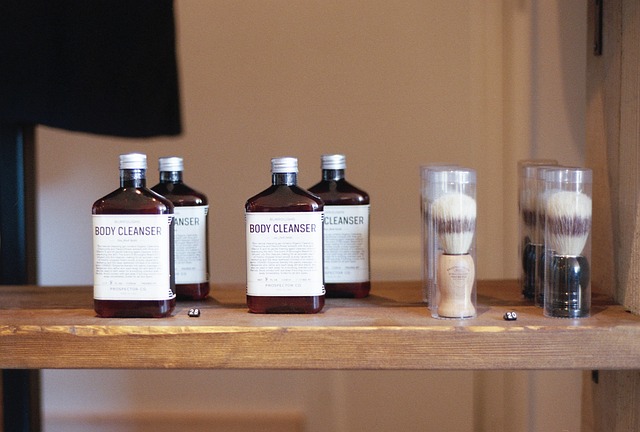
Chemical Properties and Mechanism of Action
As a beta hydroxy acid (BHA), salicylic acid differs from water-soluble alpha hydroxy acids (AHAs) because it dissolves in oil. This property enables it to reach inside clogged follicles where dead cells and sebum accumulate. Once inside, its keratolytic action breaks down intercellular bonds between corneocytes, promoting desquamation and preventing comedone formation. This dual exfoliation—both surface and within the pore—makes salicylic acid uniquely suited for treating blackheads and inflammatory lesions.
Comparison with Other Exfoliating Agents
Compared with AHAs such as glycolic or lactic acid, BHAs penetrate deeper due to their lipid solubility. Polyhydroxy acids (PHAs), on the other hand, are larger molecules that act more gently on the surface, suitable for sensitive skin but less effective in decongesting pores. For oily or keratinized skin types, salicylic acid remains superior because of its ability to reduce sebaceous buildup while minimizing inflammation. When combined with actives like glycolic acid or retinoids, caution is needed; synergistic exfoliation can amplify results but also raise irritation risk if not buffered properly.
Evaluating the Efficacy of Salicylic Acid Body Wash
Body formulations differ from facial products mainly in contact time and concentration. A salicylic acid body wash must balance potency with comfort since body skin can tolerate stronger actives but often experiences dryness faster.
Mechanisms Behind Its Effectiveness on the Body
The efficacy of a salicylic acid body wash depends on maintaining sufficient contact time during cleansing—typically one to two minutes before rinsing—to allow active penetration. At concentrations between 0.5% and 2%, it effectively targets folliculitis, truncal acne, and rough patches like those seen in keratosis pilaris. The pH level also matters; a mildly acidic environment around 3–4 enhances exfoliation efficiency while keeping irritation low.
Key Formulation Considerations for Optimal Results
An effective formula combines surfactants mild enough to cleanse without stripping lipids with humectants such as glycerin that maintain hydration. Emollients like squalane or shea butter further protect the barrier after exfoliation. Stability challenges arise when balancing pH-sensitive ingredients; too high a pH reduces activity while too low may destabilize surfactant systems or irritate skin.
Integrating Salicylic Acid Body Wash into a Professional Skincare Routine
Introducing a BHA cleanser requires careful timing within an existing regimen. Professionals typically advise gradual integration based on tolerance rather than immediate daily use.
Recommended Application Protocols
Start by using a salicylic acid body wash two to three times weekly, increasing frequency only if no dryness or redness occurs. Pre-cleansing with lukewarm water helps loosen debris so the active can work efficiently. After rinsing thoroughly, applying a moisturizer within three minutes helps lock in hydration and prevent transepidermal water loss (TEWL). When combined with prescription treatments like topical retinoids or antibiotics, alternating usage days prevents cumulative irritation.
Combining with Complementary Active Ingredients
Niacinamide for Barrier Support and Inflammation Control
Niacinamide is often paired with BHAs because it strengthens barrier function while calming inflammation triggered by exfoliation. It also regulates sebum production, complementing salicylic acid’s pore-clearing effect without increasing dryness.
Ceramides and Hyaluronic Acid for Hydration Maintenance
After exfoliation, restoring lipids through ceramide-enriched moisturizers reinforces barrier recovery. Hyaluronic acid attracts moisture into deeper layers, reducing flakiness that sometimes follows initial BHA use. Together they sustain hydration levels essential for healthy epidermal turnover cycles.
Potential Risks and Precautions in Professional Use
Even though salicylic acid is widely tolerated, overuse can disrupt the stratum corneum’s integrity. Recognizing early warning signs helps prevent chronic irritation.
Recognizing Overuse and Irritation Signs
Symptoms such as erythema, peeling edges around follicles, or persistent stinging indicate compromised barrier function. Reducing frequency or switching temporarily to non-exfoliating cleansers allows recovery. Some practitioners buffer formulas using soothing agents like allantoin or panthenol to minimize sensitivity during treatment cycles.
Contraindications and Safety Considerations
Patients allergic to aspirin should avoid salicylates due to cross-reactivity risks inherent in their chemical similarity. Those with severe eczema or open lesions should also refrain from use until skin stabilizes. Combining strong actives such as benzoyl peroxide or retinoids requires caution since both increase cell turnover; layering them may provoke peeling beyond therapeutic intent.
Assessing Long-Term Benefits in Clinical Practice
Consistent use yields visible improvement across multiple dermatologic conditions when monitored professionally over several months.
Impact on Skin Texture, Tone, and Barrier Function Over Time
Clinical observations show smoother texture in cases of keratosis pilaris after eight weeks of regular use at 2% concentration levels. For truncal acne patients, lesion counts drop significantly when paired with supportive moisturization routines. Hyperpigmentation linked to post-inflammatory changes gradually fades as cell renewal accelerates under controlled exfoliation cycles.
Monitoring Outcomes Through Professional Evaluation
Dermatologists often document progress through standardized photography under consistent lighting conditions to assess tone uniformity objectively. Corneometry readings help quantify moisture retention improvements after long-term application adjustments based on seasonal humidity shifts or patient-reported dryness levels ensure sustained results without compromising comfort.
FAQ
Q1: How often should a salicylic acid body wash be used?
A: Begin two to three times per week; increase only if no dryness appears after consistent use for two weeks.
Q2: Can salicylic acid be combined with retinol?
A: Yes, but alternate usage days are advised since both accelerate cell turnover which may cause temporary peeling if layered directly.
Q3: What concentration works best for mild body acne?
A: Over-the-counter formulations between 0.5%–2% are adequate; higher strengths should be reserved for professional supervision.
Q4: Is it safe during pregnancy?
A: Limited topical exposure is generally considered low risk; however medical consultation is recommended before routine use.
Q5: Why does skin feel tight after washing?
A: The exfoliating action removes excess oil along with dead cells; applying a ceramide-based moisturizer immediately afterward restores balance effectively.