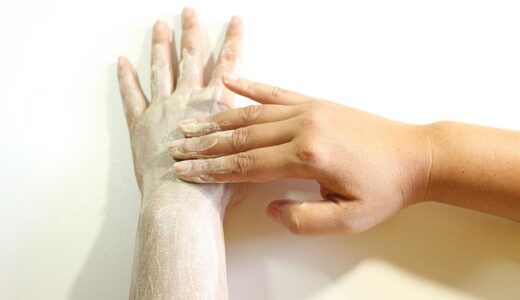
What Causes a Broken Skin Barrier and How Can Experts Restore It

Damaged Skin Barrier? An Irish Skincare Expert Shares How to Repair It
A broken skin barrier isn’t just about dryness or irritation—it signals a deeper disruption in the skin’s natural defense system. Dermatologists emphasize that restoring it requires more than applying a moisturizer; it involves rebuilding lipids, balancing hydration, and reducing inflammation. Evidence-based care using ceramide-rich formulations, humectants, and gentle routines can restore resilience. Irish skincare specialists highlight that consistent repair strategies and preventive habits are essential for lasting results.
The Structure and Function of the Skin Barrier
The skin barrier is the body’s first line of defense against environmental stressors, pollutants, and pathogens. Its structure is complex yet elegantly designed to maintain both protection and hydration balance.
The Role of the Skin Barrier in Dermatological Health
The outermost layer of the epidermis, known as the stratum corneum, acts as a protective shield that prevents harmful substances from entering while keeping moisture locked in. It regulates transepidermal water loss (TEWL), maintaining hydration and homeostasis critical for healthy skin physiology. Within this system, lipids, corneocytes, and natural moisturizing factors (NMFs) work together to preserve barrier integrity. When this balance is disturbed—through physical damage or biochemical alteration—the result is often visible inflammation or dryness.
Key Components That Maintain Barrier Function
Ceramides, cholesterol, and fatty acids form the lipid matrix that holds corneocytes together like mortar between bricks. This matrix ensures cohesion and prevents excessive TEWL. Filaggrin-derived amino acids play an equally vital role by binding water molecules to maintain optimal moisture levels. Enzymatic activity within the epidermis supports desquamation—the natural shedding process—allowing new cells to replace old ones efficiently.
Factors That Contribute to a Broken Skin Barrier
A damaged or broken skin barrier often develops gradually through repeated exposure to external irritants or internal imbalances. Recognizing these triggers helps dermatologists design targeted interventions.
Environmental and Lifestyle Stressors
Ultraviolet radiation accelerates lipid oxidation and protein degradation within the stratum corneum, weakening its defensive capacity. Air pollution introduces reactive oxygen species that impair epidermal lipids and trigger oxidative stress responses. Over-cleansing or using harsh surfactants strips away essential lipids, leaving the surface vulnerable to dehydration and inflammation—a common issue observed in patients who use foaming cleansers excessively.
Dermatological and Medical Influences
Chronic inflammatory conditions such as eczema or psoriasis disrupt lipid synthesis pathways by altering enzyme function responsible for ceramide production. Overuse of topical retinoids or exfoliating acids can compromise keratinocyte cohesion, leading to micro-fissures across the epidermis. Systemic factors like chronic stress or nutrient deficiencies further impede repair mechanisms by affecting hormonal regulation of skin metabolism.
Clinical Signs of a Compromised Skin Barrier
When evaluating patients with suspected barrier dysfunction, clinicians rely on both visual assessment and quantitative diagnostics to confirm impairment levels.
Observable Symptoms in Clinical Practice
Dryness, flakiness, tightness, or rough texture are early indicators of compromised integrity. Heightened sensitivity—manifested as stinging upon product application—is another hallmark symptom. Persistent erythema without infection points toward ongoing inflammatory signaling rather than microbial imbalance.
Diagnostic Approaches Used by Experts
Measurement of TEWL remains one of the most reliable methods for assessing barrier loss; elevated readings indicate increased permeability. Corneometry provides data on hydration levels within the stratum corneum. In complex cases, dermatoscopic imaging allows visualization of microstructural damage such as disrupted lipid lamellae or scaling patterns not visible to the naked eye.
Expert Strategies for Restoring a Broken Skin Barrier
Restoration focuses on replenishing depleted components while minimizing further irritation. Clinical protocols combine topical therapy with lifestyle modification for sustainable recovery.
Rebuilding the Lipid Matrix Through Topical Interventions
Repairing a broken skin barrier begins with replacing lost lipids using biomimetic formulations that reflect natural ratios found in healthy skin.
Formulation Principles for Barrier Repair Products
Ceramide-dominant emulsions are central to repair formulations because they replicate physiological lipid composition more accurately than standard moisturizers. Occlusive agents such as petrolatum form a semi-permeable film that reduces TEWL during acute recovery phases. Humectants like glycerin or hyaluronic acid attract water from deeper layers into the stratum corneum, restoring suppleness without clogging pores.
Selecting Active Ingredients with Supportive Evidence
Niacinamide supports ceramide synthesis while reducing pro-inflammatory cytokines associated with irritation. Panthenol enhances cell proliferation in basal layers, promoting faster epidermal regeneration. Fatty acids derived from plant oils—such as linoleic acid from evening primrose—replenish naturally degraded lipids caused by environmental stressors.
Optimizing Clinical Protocols for Recovery and Maintenance
Professional treatments complement home care by accelerating healing through controlled stimulation of renewal processes.
Professional Treatments to Accelerate Repair
Mild chemical exfoliation using low-concentration lactic acid removes damaged corneocytes selectively without over-stripping healthy tissue. Post-procedure application of bioactive lipid masks restores comfort immediately after exfoliation sessions. LED therapy has gained popularity among dermatologists due to its ability to stimulate fibroblast activity while reducing inflammatory markers at cellular level.
Long-Term Maintenance Recommendations by Experts
Experts advise avoiding over-exfoliation or frequent use of foaming cleansers containing sulfates. Daily photoprotection with broad-spectrum SPF remains non-negotiable since UV exposure continues to degrade barrier lipids even on cloudy days. A diet rich in omega-3 fatty acids from fish oils or flaxseed supports systemic repair through improved membrane fluidity; antioxidants like vitamin E further protect against oxidative breakdown.
The Role of Emerging Research in Skin Barrier Restoration
Scientific advancements are reshaping how dermatologists approach chronic barrier dysfunction by integrating molecular biology with formulation science.
Advances in Biomimetic Technologies
Recent research focuses on synthetic ceramide analogs engineered to mimic natural structures more efficiently than traditional sources. These analogs integrate seamlessly into existing lipid bilayers, enhancing durability under environmental stress conditions. Nanocarrier systems now enable precise delivery of active ingredients deeper into epidermal layers without compromising surface comfort—a major leap for treating severe cases where standard creams fail.
Future Directions in Dermatological Science
Microbiome modulation represents an exciting frontier; studies suggest that balanced microbial populations reinforce immune tolerance and strengthen physical defenses simultaneously. Genetic profiling may soon allow formulation customization based on individual lipid composition patterns—offering personalized skincare solutions tailored at molecular level rather than generalized recommendations.
FAQ
Q1: What causes a broken skin barrier most frequently?
A: Frequent use of harsh cleansers and over-exfoliation are top contributors because they strip essential lipids needed for cohesion within the stratum corneum.
Q2: How long does it take to repair a damaged skin barrier?
A: Mild cases can recover within two weeks using ceramide-rich moisturizers; chronic conditions may require six weeks or longer under dermatologist supervision.
Q3: Can diet influence skin barrier health?
A: Yes, diets rich in omega-3 fatty acids improve membrane stability while antioxidants reduce oxidative damage from free radicals affecting epidermal lipids.
Q4: Should exfoliation be stopped entirely during recovery?
A: Not necessarily—gentle enzymatic exfoliants once weekly can aid turnover without aggravating existing damage when monitored professionally.
Q5: Are fragrance-free products always better for sensitive skin?
A: Generally yes; fragrances often contain volatile compounds that trigger irritation in compromised barriers though tolerance varies individually among patients.