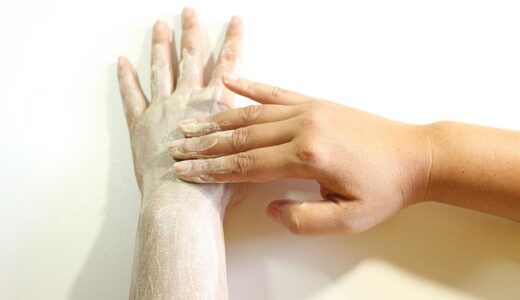
How Often Should You Exfoliate Your Body for Baby Soft Skin According to Experts
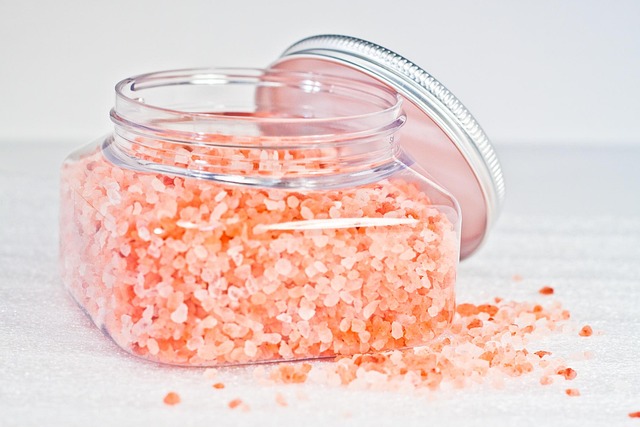
The Most Effective Way to Exfoliate Your Body for Baby Soft Skin, According to Experts
Smooth, baby-soft skin isn’t just about genetics or luck—it’s a result of consistent and well-balanced exfoliation. Experts agree that the key lies in removing dead cells without harming the skin barrier. For most people, exfoliating the body one to three times a week keeps the skin polished yet hydrated. The right frequency depends on skin type, environment, and technique. Done correctly, exfoliation not only reveals a radiant surface but also enhances product absorption and cellular renewal.
The Science of Skin Exfoliation
Healthy skin constantly renews itself through a biological process that keeps its surface fresh and resilient. Yet external factors can slow this natural rhythm, leading to dullness or rough texture. Understanding how exfoliation fits into this cycle helps refine both method and frequency.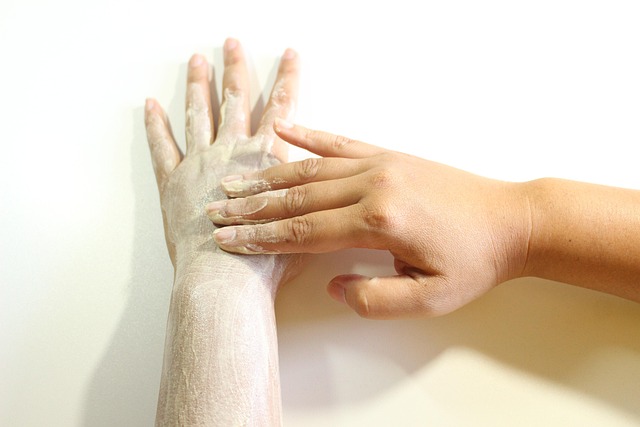
The Biological Process of Skin Renewal
The outermost layer of the skin naturally sheds dead cells through desquamation. This process allows new cells from deeper layers to emerge, maintaining elasticity and tone. However, with age or environmental stressors like pollution and UV exposure, cell turnover slows down. Skincare habits such as hydration levels or cleansing routines also influence how efficiently old cells are replaced. Regular exfoliation supports this renewal by clearing buildup that might otherwise block pores or dull the surface.
Types of Exfoliation: Mechanical vs. Chemical
Exfoliation methods fall into two main categories: mechanical and chemical. Mechanical exfoliation relies on physical friction—scrubs with sugar or salt particles, textured gloves, or brushes—to lift away dead skin manually. It’s ideal for thicker areas like elbows or knees but should be used gently to avoid micro-tears. Chemical exfoliation uses acids or enzymes that dissolve bonds between cells instead of scrubbing them off. Alpha hydroxy acids (AHAs) such as glycolic acid work on dryness and uneven tone, while beta hydroxy acids (BHAs) like salicylic acid penetrate deeper into pores to address oiliness and congestion. Each approach suits different skin needs; sensitive types often respond better to mild enzymatic options derived from fruits like papaya.
Determining the Optimal Frequency for Body Exfoliation?
Finding how often should you exfoliate your body depends on individual tolerance and environmental context. Overdoing it can strip essential oils; underdoing it leaves buildup behind.
Factors That Influence Exfoliation Frequency
Skin type is the primary determinant of how often one should exfoliate. Oily or acne-prone skin may handle more frequent sessions—up to three times weekly—while dry or sensitive types benefit from once-a-week care. Climate also plays a role: humid environments accelerate sweat and sebum production, prompting more frequent cleansing cycles, whereas cold air tends to dehydrate the surface. Lifestyle matters too; athletes or those wearing tight synthetic fabrics experience more friction and perspiration that can trap debris against the skin.
Expert Recommendations on How Often to Exfoliate Your Body
Dermatologists generally recommend exfoliating one to three times per week depending on tolerance levels. Too frequent scrubbing weakens the protective barrier, causing redness or flaking. Adjusting seasonally helps maintain balance—more in summer when sweat increases buildup, less in winter when moisture retention is critical. Consistency matters more than intensity; gentle repetition yields better results than aggressive treatments spaced far apart.
Techniques for Effective and Safe Body Exfoliation
Proper technique transforms exfoliation from a harsh scrub into a restorative ritual. Preparation, product choice, and post-care all determine whether results feel silky or sensitized.
Preparing the Skin Before Exfoliation
Before applying any exfoliant, softening the surface layer is crucial. A warm shower hydrates dead cells so they loosen easily without irritation. Cleansing with a mild body wash removes dirt and oils that could block even application of scrubs or acids. Experts caution against exfoliating immediately after shaving or waxing because freshly exposed follicles are prone to inflammation.
Choosing the Right Exfoliating Products and Tools
Selecting tools depends on both texture preference and sensitivity threshold.
Physical Exfoliants
Physical options include sugar scrubs for gentler polishing or salt scrubs for deeper abrasion on tougher spots like heels. Loofahs and dry brushes stimulate circulation when used in circular motions but must be kept clean to avoid bacterial growth.
Chemical Exfoliants
Chemical formulas rely on AHAs such as lactic acid for hydration benefits alongside resurfacing effects, while BHAs target clogged pores by dissolving sebum buildup beneath the surface layer.
Enzymatic Exfoliants
Enzymes extracted from fruits like pineapple act as nature’s mild resurfacing agents suitable for reactive complexions that cannot tolerate acids or granules.
Post-Exfoliation Care for Maintaining Baby Soft Skin
Freshly polished skin requires immediate attention afterward to preserve smoothness and prevent irritation.
Replenishing Moisture After Exfoliation
Once rinsed clean, applying moisturizer right away locks in hydration before water evaporates from open pores. Formulas containing hyaluronic acid attract moisture molecules; ceramides rebuild lipid structure; shea butter seals everything in with emollient comfort.
Protecting Freshly Exfoliated Skin from Damage
Because exfoliated skin is newly exposed, it becomes more vulnerable to sunlight and temperature changes. Daily sunscreen use prevents UV-induced pigmentation while avoiding hot showers helps retain natural oils essential for barrier recovery.
Common Mistakes and How Experts Suggest Avoiding Them
Even experienced skincare professionals occasionally misjudge intensity or product combinations during routine care.
Signs of Over-Exfoliation and How to Correct Them
Typical warning signs include persistent redness, stinging sensations after washing, tightness around joints, or visible peeling patches. When these occur, experts advise pausing active treatments until symptoms subside while focusing on products rich in ceramides or panthenol that restore barrier integrity.
Combining Multiple Methods Safely
Layering mechanical scrubs over acid-based products within one session often leads to irritation rather than faster results. Alternating between physical and chemical approaches across different days maintains progress without compromising comfort levels. Introducing new formulations gradually allows observation of any adverse reactions before full integration into regular routines.
FAQ
Q1: How often should you exfoliate your body if you have sensitive skin?
A: Once weekly is usually sufficient since sensitive types react quickly to friction or acids; using enzyme-based products minimizes risk of irritation.
Q2: Is dry brushing considered safe daily?
A: Light dry brushing can be done daily if pressure remains gentle; however, overzealous strokes may scratch delicate areas like inner arms.
Q3: Can chemical body peels replace physical scrubs entirely?
A: Yes for many users; chemical peels offer controlled penetration without abrasion though patch testing remains necessary before widespread use.
Q4: What time of day is best for body exfoliation?
A: Evening sessions allow overnight recovery aided by moisturizers applied afterward while avoiding sun exposure immediately post-treatment.
Q5: Why does my skin feel tight after exfoliating even with lotion?
A: Tightness indicates temporary moisture loss; switching from alcohol-based lotions to richer creams containing ceramides usually resolves discomfort quickly.