What hyaluronic acid serum does for skin and how to use it well
What hyaluronic acid serum can and cannot do
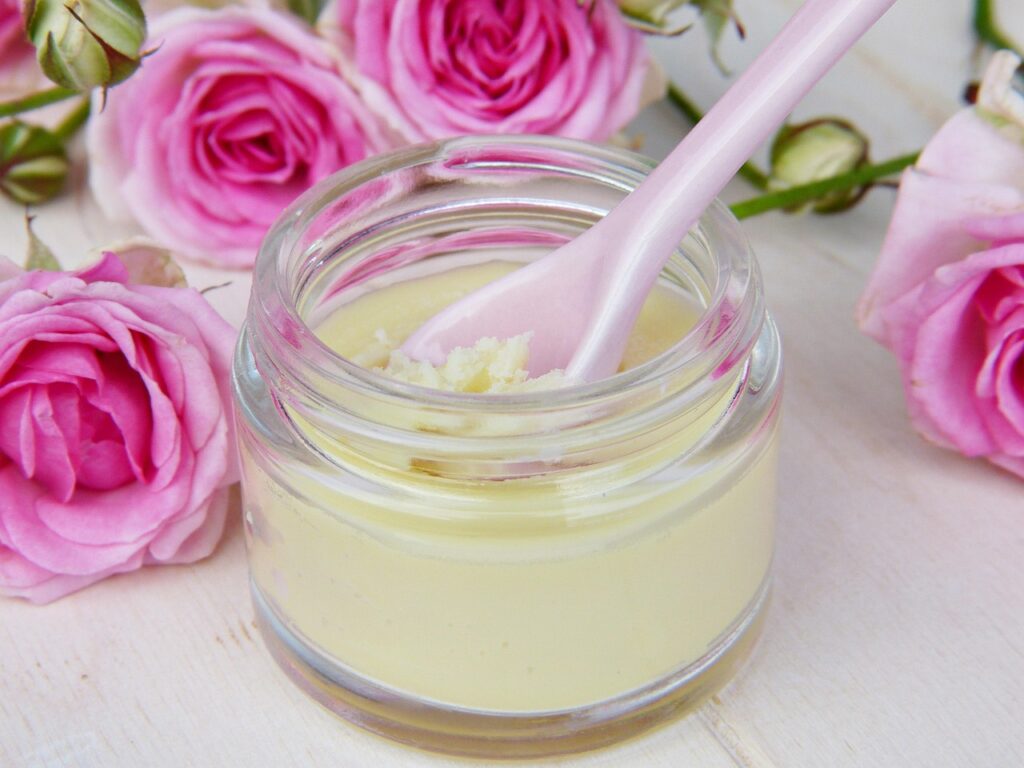
A hyaluronic acid serum is primarily a hydration step. It helps the outer layers of the skin hold water, which can make the face look smoother, less tight, and temporarily plumper. It is not the same as injectable hyaluronic acid filler, and it should not be expected to lift sagging skin, erase deep wrinkles, or replace a moisturizer. The most useful way to understand hyaluronic acid is as a humectant: it attracts and holds water. Creams and balms, by contrast, often add emollients or occlusives that soften skin and slow moisture loss.
That distinction matters because many disappointing results come from using hyaluronic acid serum on its own. If your skin is dry, your climate is arid, or your barrier is stressed from retinoids or exfoliating acids, a serum may feel good at first but fade quickly unless it is followed with a suitable moisturizer.
Why hyaluronic acid became a core hydration ingredient
Hyaluronic acid, often shortened to HA, is a water-binding molecule found naturally in the body, including in the skin, joints, and eyes. In skin care, it may appear on labels as hyaluronic acid, sodium hyaluronate, hydrolyzed hyaluronic acid, sodium hyaluronate crosspolymer, or related hyaluronate forms. These names are not always interchangeable in formula behavior, but they share the same broad consumer purpose: supporting hydration and a smoother skin feel.
Dermatology and cosmetic ingredient references generally classify hyaluronic acid as a humectant. Organizations such as the American Academy of Dermatology and DermNet NZ discuss humectants as ingredients that help attract and retain water in the stratum corneum, the skin’s outermost layer. COSMILE Europe, a European cosmetic ingredient reference, also lists hyaluronic acid as a moisture-preserving cosmetic ingredient. The practical point is simple: HA is not an exfoliating acid like glycolic acid or salicylic acid. Although the word acid can sound intimidating, hyaluronic acid is used in cosmetics for moisturization rather than peeling.
Its popularity also comes from texture. Many HA serums are clear, lightweight, and fast-absorbing, so they can sit under sunscreen, makeup, moisturizer, retinoids, vitamin C, niacinamide, and barrier creams without adding much oiliness. This makes the category appealing to oily, combination, dehydrated, and dry skin types, although the complete formula matters more than the hero ingredient alone.
How molecular weight changes the way a serum feels
One reason hyaluronic acid products vary so much is molecular weight. A hyaluronic acid molecule can be relatively large or broken into smaller fragments. Reviews indexed in PubMed describe molecular weight as one factor that influences how HA behaves on the skin, including film formation, surface hydration, and possible penetration into upper skin layers. This does not mean smaller is always better. It means different forms can contribute different effects.
| HA type often seen in marketing | Likely role in a formula | What to keep in mind |
|---|---|---|
| Higher molecular weight HA | Forms a hydrating film on the surface and can give a smooth, cushioned feel | Often useful for comfort and immediate softness, but it may feel tacky if overused |
| Lower molecular weight HA | May interact more with the upper layers of the stratum corneum depending on the formula | Not automatically more effective or gentler; concentration and total formula still matter |
| Hydrolyzed hyaluronic acid | Usually refers to HA that has been broken into smaller pieces | Good label transparency helps, but brands do not always disclose exact molecular size |
| Crosslinked HA or HA polymers | Designed to improve water binding, film formation, or longer-lasting skin feel | Performance depends on the finished formula, not just the ingredient name |
Some brands advertise multiple weights of hyaluronic acid in one serum. That can be useful when the formula is well made, but the number of weights is not a guarantee of better results. A balanced serum with glycerin, panthenol, betaine, ectoin, amino acids, or soothing agents may outperform a product that relies on HA marketing but lacks a supportive base. For ingredient-focused readers, the lesson is to evaluate the whole formula rather than treating “multi-weight HA” as an automatic upgrade.
How to use hyaluronic acid serum in a routine
The most reliable routine is simple: cleanse, apply hyaluronic acid serum to slightly damp skin, then follow with moisturizer. In the morning, finish with sunscreen. At night, use it before creams, oils, or balms. Slightly damp skin gives the humectant water to hold, while moisturizer helps keep that water from evaporating too quickly.
A basic routine can look like this:
- Cleanse gently, avoiding hot water and harsh scrubbing.
- Leave skin slightly damp, or use a hydrating mist or toner if your skin tolerates it.
- Apply a small amount of hyaluronic acid serum; more product usually means more tackiness, not more hydration.
- Seal with a moisturizer that matches your skin type.
- Use broad-spectrum sunscreen in the morning.
For oily or acne-prone skin, a gel-cream or light lotion may be enough after the serum. For dry skin, mature skin, or winter routines, a richer cream with ceramides, dimethicone, petrolatum, shea butter, squalane, or other barrier-supporting ingredients may be more appropriate. For very dry patches, a thin layer of an occlusive balm over moisturizer can reduce water loss, although that may feel too heavy for acne-prone areas.
Hyaluronic acid also layers well with many active ingredients. With retinoids, it can add comfort before or after treatment depending on how your skin tolerates layering. With exfoliating acids, it can help offset the dry feel that sometimes follows exfoliation, but it does not neutralize irritation. With vitamin C or niacinamide, it is usually compatible; apply products from thinnest to thickest unless the product directions say otherwise.
Common mistakes that make HA serums underperform
The first mistake is using hyaluronic acid serum as the only moisturizing step. A serum may hydrate, but a complete moisturizer often combines humectants with emollients and occlusives. DermNet NZ’s moisturizer guidance separates these roles: humectants attract water, emollients soften, and occlusives reduce evaporation. When a routine contains only humectants, dry or compromised skin may not stay comfortable for long.
The second mistake is applying too much. Many HA serums have a slippery or sticky finish because hyaluronic acid forms a film. A few drops are usually enough for the face. If the skin pills under sunscreen or foundation, the routine may include too many gel layers, too much serum, or not enough time between steps.
The third mistake is expecting permanent wrinkle correction. Hydrated skin can make fine dehydration lines look softer, and that is a valid cosmetic benefit. However, deep expression lines, volume loss, and laxity involve anatomy that a topical serum cannot remodel in the way an in-office procedure might. The U.S. Food and Drug Administration distinguishes cosmetic moisturizing claims from claims that imply structural or medical effects. In everyday terms, a hyaluronic acid serum can improve the look and feel of dry skin, but it should not be framed as a topical filler.
The fourth mistake is ignoring the rest of the formula. A serum can contain fragrance, denatured alcohol, strong exfoliants, botanical extracts, preservatives, or penetration enhancers that do not suit every face. If you react to a “hyaluronic acid serum,” the problem may be HA, but it may also be another ingredient in the bottle. Patch testing is especially useful for reactive skin.
Who should use it, and who may not need a separate serum
Hyaluronic acid serum is most useful for skin that feels dehydrated, tight after cleansing, dull from surface dryness, or temporarily less comfortable because of seasonal weather. It can also support routines that include retinoids, benzoyl peroxide, or exfoliating acids, as long as the formula is gentle and followed with moisturizer. See also: Skin Concerns.
Oily skin can still be dehydrated. In that case, a light HA serum under a gel moisturizer may improve comfort without adding the heaviness of a rich cream. Sensitive skin may prefer a fragrance-free formula with a short ingredient list and supportive ingredients such as glycerin, panthenol, allantoin, beta-glucan, or centella-derived compounds. Dry skin usually needs HA plus a cream; the serum alone is rarely enough.
Not everyone needs a dedicated hyaluronic acid serum. If your moisturizer already contains hyaluronic acid, glycerin, urea, amino acids, ceramides, or other hydration-supporting ingredients, a separate serum may be redundant. Likewise, if HA formulas consistently leave your face tight, sticky, flushed, or bumpy, alternatives such as glycerin-rich toners, panthenol serums, beta-glucan products, urea creams, or ceramide moisturizers may suit you better.
There is also an important safety distinction. Topical HA serum is a cosmetic skin care product. Injectable hyaluronic acid filler is a procedure involving medical devices and different risks, including vascular complications when performed improperly. A bottle of serum will not reproduce the effect of filler, and filler should not be purchased online for self-injection.
How to choose a hyaluronic acid serum
Start with your skin type and environment rather than the highest percentage claim. Hyaluronic acid is effective at low cosmetic-use levels, and very high percentages can feel sticky or tight depending on the formula. Many products advertise 1%, 2%, or multiple molecular weights, but finished-product testing, texture, pH, preservative system, and supporting ingredients all affect real-world performance.
Use this checklist before buying:
- For dehydrated but oily skin: choose a water-light serum with glycerin, HA, panthenol, or niacinamide, then pair it with a gel moisturizer.
- For dry skin: look for HA plus emollient and barrier ingredients in the routine, not necessarily all in the serum.
- For sensitive skin: prioritize fragrance-free, dye-free, and lower-complexity formulas.
- For makeup wearers: avoid over-layering sticky gels; apply a small amount and let it settle before sunscreen or foundation.
- For dry climates: apply to damp skin and seal with a moisturizer; consider richer creams at night.
- For active-heavy routines: use HA as a support step, but reduce actives if stinging, peeling, or burning continues.
Ingredient education can help you compare formulas without chasing hype. For more ingredient-focused skin care explainers, browse the Ingredients section.
Frequently asked questions
Can I use hyaluronic acid serum every day?
Most people can use a well-formulated hyaluronic acid serum once or twice daily. If your skin becomes sticky, tight, red, or irritated, reduce frequency, apply less product, or switch to a simpler hydrating formula.
Should hyaluronic acid go before or after moisturizer?
Use it before moisturizer. A serum is usually lighter and water-based, while moisturizer helps soften the skin and reduce water loss. In the morning, sunscreen should be the final skin care step.
Is hyaluronic acid good for acne-prone skin?
It can be, especially when acne-prone skin is dehydrated from cleansing or acne treatments. Choose lightweight, non-greasy, fragrance-free formulas and remember that breakouts may be caused by the full product base, not HA alone.
Can hyaluronic acid replace moisturizer?
Usually no. It can add hydration, but moisturizer provides additional ingredients that support softness and help slow evaporation. Very oily skin may tolerate a light gel after HA, but dry skin typically needs a cream.
Does hyaluronic acid serum remove wrinkles?
It can temporarily soften the look of fine dehydration lines by improving surface hydration. It does not remove deep wrinkles, rebuild lost facial volume, or work like injectable filler.
The bottom line
Hyaluronic acid serum is a useful, flexible hydration step when expectations are realistic. Its strongest role is improving the water content and feel of the skin’s surface, especially when applied to slightly damp skin and followed by a compatible moisturizer. The best results come from matching the formula to your skin type, climate, and routine rather than assuming every HA product works the same way. If a serum feels sticky, tight, or unnecessary, that does not mean hydration is unimportant; it may simply mean your skin needs a different humectant blend or a better moisturizer.