Do Retinol Serums Really Work for Wrinkles, Texture, and Dark Spots?
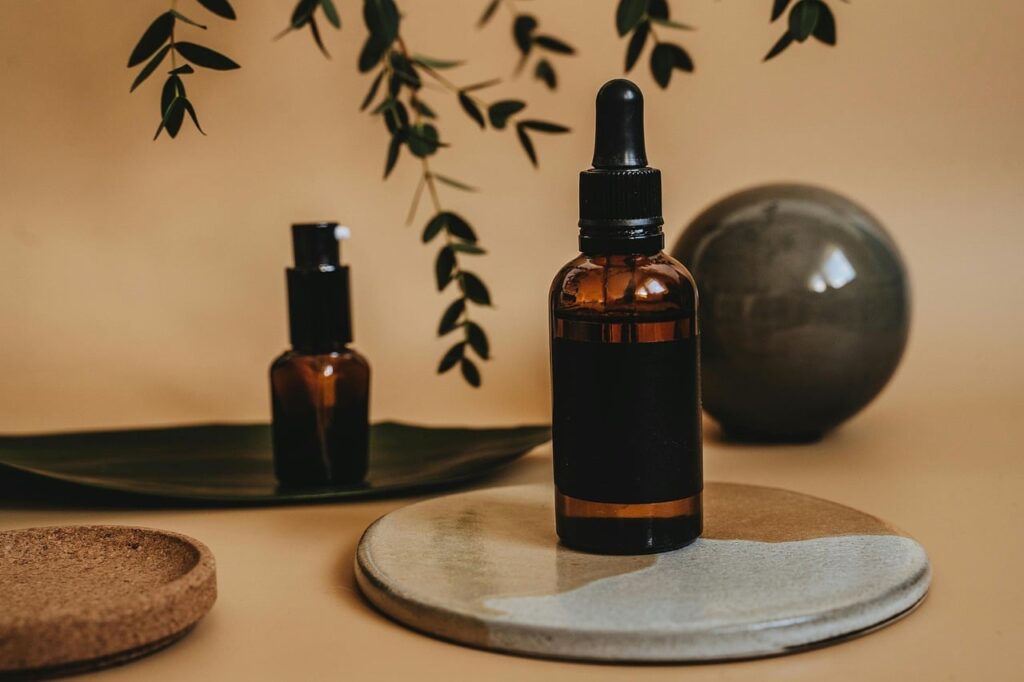
Retinol serums are popular because they can help, but they are not a quick fix in a small bottle. They work better when you pick a strength your skin can handle, use them at night, and give your face time to settle. If you check ingredient notes before buying skin care, the Ingredients section is a useful place to compare actives in a plain, practical way.
Vitamin A Family Basics
Retinol is part of the retinoid family, which means it is related to vitamin A and is used often in skin care. The American Academy of Dermatology describes retinol as an over-the-counter retinoid used for uneven tone, pigmentation, and texture. Prescription retinoids, including tretinoin and tazarotene, are stronger and normally need medical guidance. For many users, retinol sits in the middle: active enough to be useful, but often easier to add to a regular routine. (aad.org)
Clinical Results With Real Timelines
Good retinol results usually come in slowly, not in a few nights. In a 2024 PubMed-indexed pooled analysis of six vehicle-controlled studies, 0.1% stabilized retinol improved signs of photoaging from week 4 through week 12. The analysis included 237 retinol users and 234 vehicle users, and only a small number of irritation events were reported; they were mild to moderate and temporary. A 2020 controlled trial also compared 0.3% and 0.5% retinol serums for 12 weeks and found steady improvement in hyperpigmentation, unevenness, and wrinkles, while the stronger side caused more irritation. (pubmed.ncbi.nlm.nih.gov)
Best Fit Skin Goals
Retinol serums are a good match when the target is fine lines, dullness, rough texture, early photoaging, or mild post-breakout marks. They are not the best choice if you expect fast spot fading, want to fill deep acne scars, or have active inflamed acne that keeps coming back around the jawline. A serum can be part of the routine, but it should not replace a dermatologist when the skin is painful, cystic, or changing quickly.
How Should You Choose a Retinol Serum?
The best retinol serum is not always the strongest one on the shelf. A product you can use three times a week without burning or heavy peeling is usually more useful than a high-strength formula that stays in the drawer because it upset your skin before an event.
Low Strength for First Timers
If you are new to retinol, start low and keep the first few weeks simple. Many beginner formulas are around 0.1% to 0.3%, though labels are not always consistent. The AAD notes that over-the-counter products do not always have to show the retinol percentage, so the number alone should not decide the purchase. Look for words such as beginner, gentle, encapsulated, slow release, or sensitive skin; they are not a promise, but they do show the brand has thought about tolerance.
Stable Packaging and Clear Instructions
Retinol can lose strength when it is exposed to light, heat, and air, so packaging is not a small detail. Airless pumps, opaque tubes, and small bottles are usually better than wide-mouth jars that let in air and fingers every night. The brand should also explain how often to apply it, when to use sunscreen, and whether to avoid the eye area. If the label is vague or sounds too aggressive, leave it. Skin care should not feel like a test of pain.
Support Ingredients That Calm Skin
A good retinol serum often includes support ingredients because the base formula matters. Niacinamide can help the skin look calmer. Ceramides, squalane, glycerin, and hyaluronic acid can help reduce the tight, shiny feeling some people get when they start too fast. Fragrance is not always a problem, but if your skin reacts to scented products, a fragrance-free retinol serum is the safer choice.
How Do You Start Retinol Without Wrecking Your Barrier?
Most retinol problems come from going too fast, not from retinol itself. The skin needs time to get used to faster cell turnover and the drier feel that can come with it. A slow start may not sound exciting, but in real routines it is often what keeps people using the product long enough to see results.
Two Nights a Week at First
Use a pea-sized amount for the whole face, not a long stripe for each cheek. Start two nights a week for two to three weeks. If your skin still feels normal, move to every other night. Daily use can come later, and some people never need it. More retinol does not mean faster improvement; it often just means flaky makeup and skin that feels annoyed.
Moisturizer Before and After
The moisturizer sandwich method is easy to follow: apply moisturizer, add retinol, then apply another thin layer of moisturizer. This can reduce the harsh feel of retinol a little and makes the routine easier for dry or sensitive skin. Avoid applying retinol right after a hot shower, shaving, waxing, or a strong peel. Skin that already feels raw usually reacts badly when another active is added.
Sunscreen Every Morning
Retinoids can make skin more sun sensitive, and sun exposure can work against the tone and wrinkle results you are trying to build. The American Academy of Dermatology recommends broad-spectrum sunscreen with SPF 30 or higher for daily protection, especially when using active skin care. Use enough product for your face, ears, and neck. If you stay outdoors for a long time, reapply instead of relying on one morning layer. (aad.org)
Which Ingredients Pair Well With Retinol Serums?
Retinol does not need a crowded routine. A simple routine also makes it easier to see what is helping and what is causing irritation. For most people, cleanser, moisturizer, sunscreen, and one active at a time is a better starting point.
Niacinamide for Calm
Niacinamide is one of the easier partners for retinol. It can help improve the look of uneven tone and support a more comfortable barrier. If your retinol serum already contains niacinamide, you may not need a separate niacinamide product. Too many layers can pill, sting, or make sunscreen sit badly, which is not helpful on a busy morning.
Hyaluronic Acid and Glycerin for Comfort
Humectants such as hyaluronic acid and glycerin pull water into the outer layer of skin, so they can help reduce tightness. Apply them on damp skin, then seal with moisturizer. If you live in a dry room with strong heating or air conditioning, a richer cream may do more than adding another watery serum. Sometimes the plain answer is simply more moisturizer and fewer layers.
Acids and Scrubs on Separate Nights
Glycolic acid, lactic acid, salicylic acid, scrubs, and exfoliating pads can be useful, but they do not need to sit on the same night as retinol when you are starting. Use exfoliating acids on a different evening, and keep them to once or twice weekly if your skin gets irritated easily. If stinging lasts more than a minute or two, pause the active products and make the routine simpler. Your skin should not feel sore every time you wash your face. See also: Skin Concerns.
Who Should Avoid Retinol or Ask a Dermatologist First?
Retinol is easy to buy, but that does not mean it fits every face or every stage of life. Sometimes the better move is to wait, repair the barrier, or ask a medical professional before adding another active.
Pregnancy and Breastfeeding Caution
Mayo Clinic consumer health guidance describes retinol as a milder retinoid that may smooth wrinkles and reduce discoloration, but it also notes that retinoids, including retinol, should not be used during pregnancy. ACOG discusses topical retinoids as vitamin A related medications and advises caution in pregnancy care. If you are pregnant, trying to become pregnant, or breastfeeding, ask your clinician before using retinol. This is one area where it is better not to guess. (mayoclinic.org)
Rosacea, Eczema, or Broken Skin
If your skin is red, burning, cracked, or in an eczema flare, retinol can make the issue worse. Focus first on gentle cleansing, a plain moisturizer, and sunscreen that does not sting. Once the skin barrier feels normal for a few weeks, a dermatologist can help decide whether retinol is worth trying. They can also tell you how often to use it without pushing the skin too hard.
Deep Acne Scars or Hormonal Acne
Retinol serums may improve the look of mild post-acne marks, but they cannot lift deep pitted scars. Hormonal acne also needs more than a cosmetic serum in many cases. If breakouts gather around the chin, flare monthly, or leave painful lumps, medical treatment may save time and money. It can also help prevent extra dark marks from repeated inflammation.
What Results Can You Expect by Week 4, Week 12, and One Year?
Retinol needs patience. The first month is often about checking tolerance. The next two months are when texture and tone may start to look more even. Larger changes usually take longer, along with sunscreen, sleep, and a routine you can actually keep.
Weeks 1 to 4
Expect small changes first, such as smoother touch, less dullness, or some dryness around the mouth and nose. Some people notice light flaking. That does not mean the product is working better. If your face burns, feels hot, or peels in sheets, stop for several nights and restart less often with more moisturizer.
Weeks 8 to 12
By weeks 8 to 12, many users can judge whether the formula suits their skin. This is also the time window used in several clinical retinol studies. Take repeat photos in the same lighting instead of checking the mirror every morning. Bathroom lighting can make skin look worse or better than it really is, so it is not the best way to judge progress.
Six Months and Beyond
Longer use can bring clearer visible gains. A one-year PubMed-indexed, double-blind vehicle-controlled trial of 0.1% stabilized retinol reported a 44% improvement in crow’s feet fine lines and an 84% improvement in mottled pigmentation after 52 weeks. That data points to steady use, not overnight change. Keep the routine steady, protect your skin from sun, and avoid changing three products at once. (pubmed.ncbi.nlm.nih.gov)
FAQ
Q1: Can You Use Retinol Serums Every Night? A: Yes, some people can, but beginners should start two nights a week and build up slowly. If dryness or stinging starts, use it less often.
Q2: Should Retinol Go Before or After Moisturizer? A: Either way can work. If your skin is sensitive, apply moisturizer first, then retinol, then another light layer of moisturizer.
Q3: Can Retinol Serums Help Dark Spots? A: They may help uneven tone and post-breakout marks over time, especially with daily sunscreen. Stubborn melasma or deep discoloration needs professional advice.
Q4: What Should You Not Mix With Retinol at First? A: Avoid using exfoliating acids, strong scrubs, benzoyl peroxide, or peels on the same night until your skin is comfortable with retinol.
Q5: How Long Does Retinol Take To Work? A: Texture may feel smoother in 4 weeks, while tone and fine lines often need 8 to 12 weeks or longer. The best results come from steady use and sun protection.