How to use a face wash containing salicylic acid without overdoing it
What a salicylic acid face wash is meant to do
A face wash containing salicylic acid is usually chosen for oily skin, clogged pores, blackheads, whiteheads, and mild acne-prone congestion. Salicylic acid is a beta hydroxy acid, often shortened to BHA, that helps loosen dead skin cells and oil inside pores. In a cleanser, it only stays on the skin briefly before being rinsed away, so it is generally less intensive than a leave-on exfoliant. It can still irritate skin, however, if it is used too often or layered with too many other acne actives.
The practical point is straightforward: use it as a targeted cleanser, not as a harsh scrub or a cure-all. For many people, starting a few times per week is more sensible than using it twice daily from the first day. If skin becomes tight, stingy, flaky, or unusually red, the routine needs to be scaled back.

How salicylic acid works in a cleanser
Salicylic acid is common in acne and pore-care formulas because it is oil-soluble compared with water-soluble alpha hydroxy acids. That does not mean it will magically “melt” every blackhead, but it can help exfoliate within oily areas where dead cells and sebum collect. This is why the ingredient appears in cleansers, toners, spot treatments, body washes, and scalp products.
In the United States, the FDA’s over-the-counter acne monograph lists salicylic acid at 0.5% to 2% for topical acne drug products. That range is useful when reading labels because many acne-marketed cleansers disclose salicylic acid as an active ingredient on a Drug Facts panel. Cosmetic safety reviews, including those discussed by the Cosmetic Ingredient Review and FDA consumer materials on beta hydroxy acids, make a separate but equally important point: formulas should be designed to avoid irritation.
That distinction matters. The ingredient percentage is only one part of how a cleanser behaves. Surfactants, pH, fragrance, menthol, alcohol-heavy bases, scrubbing particles, and contact time can all affect tolerance. A 2% salicylic acid cleanser is not automatically the right choice for every face; a lower-strength or gentler formula may be easier to use consistently.
Rinse-off cleanser versus leave-on exfoliant
A salicylic acid face wash and a leave-on BHA product are not interchangeable. A cleanser is rinsed away after a short contact time, which may make it a better entry point for people who want mild pore care or who already use other active ingredients. A leave-on product remains on the skin and usually delivers a stronger exfoliating effect, but it may also increase the risk of dryness, peeling, or stinging.
| Format | Typical role | Best suited for | Main limitation |
|---|---|---|---|
| Salicylic acid face wash | Short-contact cleansing and mild exfoliation | Oily, combination, or acne-prone skin that gets congested | May be too mild for persistent acne if used alone |
| Leave-on BHA exfoliant | More direct exfoliation after cleansing | People who tolerate acids well and want stronger pore care | Higher irritation risk, especially with retinoids or benzoyl peroxide |
| Non-active gentle cleanser | Basic cleansing without exfoliating actives | Dry, sensitive, compromised, or treatment-irritated skin | Does not directly address clogged pores |
For someone already using a prescription retinoid, benzoyl peroxide, or a leave-on exfoliant, a salicylic acid cleanser may not be necessary every day. For someone who cannot tolerate leave-on acids, a wash-off format may be a more manageable compromise. The better option depends less on trends and more on the rest of the routine.
Who may benefit from this type of cleanser
A salicylic acid cleanser is most relevant for people dealing with visible oiliness, frequent clogged pores, blackheads, whiteheads, or mild acne-prone skin. It can also be useful for those who prefer a rinse-off active because they dislike the feel of layered treatment products. In an ingredients-focused routine, it is best treated as one active step, not as a background product that can be added without consequences.
Skin type still matters. Oily skin may tolerate a salicylic acid wash more often, while combination skin may only need it in the T-zone or on breakout-prone days. Dry or sensitive skin may do better with occasional use, or may need to avoid it if it worsens tightness. People with rosacea-prone, eczema-prone, freshly exfoliated, sunburned, or barrier-damaged skin should be especially cautious.
Anyone with a known salicylate allergy or a history of strong reactions to aspirin-related ingredients should avoid self-experimenting and seek medical guidance. People who are pregnant, breastfeeding, caring for a child, or using prescription acne medication should also follow a clinician’s advice rather than stacking multiple active products independently.
How to read the label before buying
The front of the bottle can be less informative than the back. If a product is marketed for acne treatment in the U.S., check whether it has a Drug Facts panel and lists salicylic acid as the active ingredient. The percentage may be shown there. If the product is positioned more generally as a cosmetic exfoliating cleanser, the percentage may not always be obvious.
Beyond the active ingredient, look for signs that the cleanser is designed for daily skin tolerance. Supportive ingredients such as glycerin, panthenol, ceramides, allantoin, or hyaluronic acid can help offset a drying cleanse, although they cannot fully compensate for an overly harsh base. “Non-comedogenic” can be useful language for acne-prone users, but it is not a guarantee that every person will tolerate the formula.
Be cautious with formulas that combine salicylic acid with rough physical scrubs, strong fragrance, cooling menthol, or multiple exfoliating acids. These features are not automatically harmful, but they can make the product less forgiving, especially for people who already use retinoids, acne creams, peels, or after-shave acids. See also: Skin Concerns.
How to introduce a salicylic acid face wash
The safest routine is usually a simple one. Start with a low frequency, observe your skin, and adjust slowly. Mayo Clinic consumer guidance for nonprescription acne products recommends testing a small amount on one or two affected areas for three days when trying an acne product for the first time. That cautious start is especially helpful if your skin has reacted to exfoliants before.
- Start two or three times per week. Use it once a day on those days, preferably when you are not also applying several strong actives.
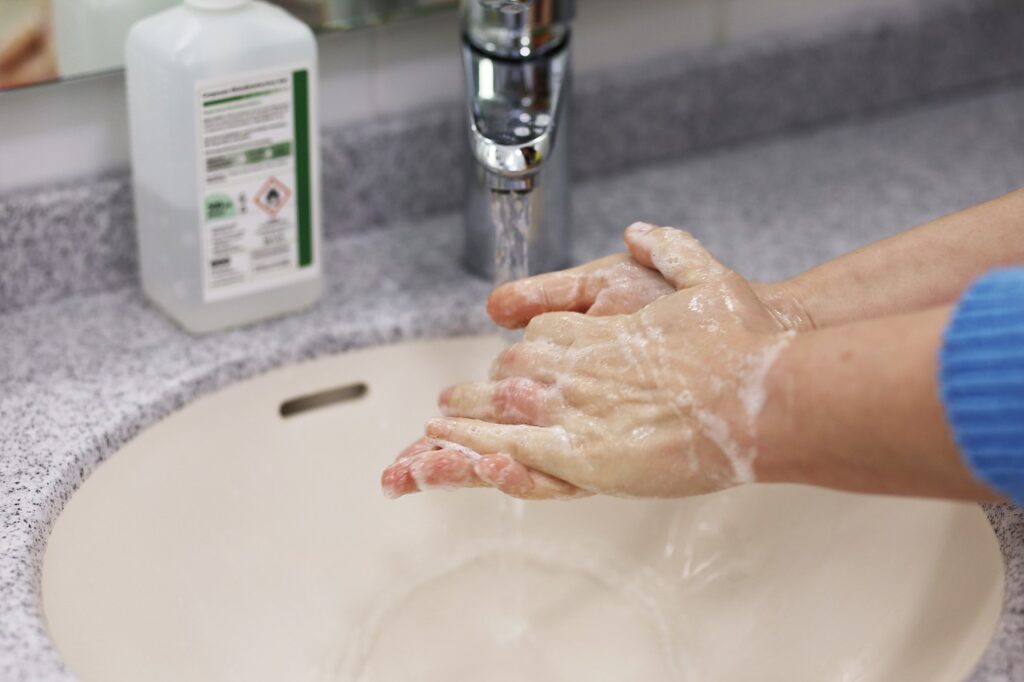
- Massage gently for a short time. Thirty to sixty seconds is enough for most cleansing routines. Scrubbing harder does not make the ingredient work better.
- Rinse thoroughly. A cleanser is designed to be washed off unless the product directions clearly say otherwise.
- Apply a plain moisturizer. This helps reduce the tight feeling that can follow acne-focused cleansers.
- Use sunscreen in the morning. Exfoliating routines can make skin less tolerant of sun stress, and acne marks often look worse with unprotected UV exposure.
If your skin feels comfortable after two to three weeks, you may increase use gradually. If it becomes shiny but dehydrated, flaky around the mouth and nose, or stingy when applying moisturizer, reduce frequency. More cleansing is not always better. The American Academy of Dermatology advises gentle washing up to twice daily and after sweating for acne-prone skin, not constant washing throughout the day.
Common mistakes that make irritation more likely
The most common mistake is treating a salicylic acid face wash as harmless because it rinses off. Rinse-off products can still disrupt the skin barrier, particularly when used with other actives. If you use a retinoid at night, benzoyl peroxide in the morning, and a salicylic acid cleanser twice daily, irritation may come from the total routine rather than from one single product.
- Using it as the only makeup remover. Heavy sunscreen or long-wear makeup may need a separate gentle first cleanse, followed by the salicylic acid wash only where needed.
- Leaving it on like a mask without directions. Longer contact can increase irritation and should not be assumed safe for every formula.
- Choosing the highest percentage automatically. FDA-recognized OTC acne strengths include 0.5% to 2%, but tolerance and formula design matter as much as the number.
- Adding it during a flare of dryness. If your barrier is already compromised, pause exfoliating cleansers and return to a mild cleanser until skin settles.
- Expecting overnight acne clearance. Nonprescription acne routines usually need consistent use over weeks. If acne is painful, scarring, widespread, or persistent, dermatology care is more appropriate.
When to use something else instead
A face wash containing salicylic acid is not the right solution for every breakout. Inflamed acne, cystic acne, hormonal acne, and acne that leaves scars may need treatments with stronger evidence for those patterns, including benzoyl peroxide, adapalene, prescription topical medications, oral medication, or a combined plan from a dermatologist. Salicylic acid can support a routine, but it should not delay care when acne is severe or worsening.
It may also be the wrong cleanser if your main issue is dryness, burning, or sensitivity rather than clogged pores. In that case, switching to a bland, fragrance-free, non-exfoliating cleanser can be more productive. Skin that tolerates treatment well over time usually looks better than skin that is treated aggressively for a week and then irritated for a month.
Frequently asked questions
Can I use a salicylic acid face wash every day?
Some oily and acne-prone skin types can use one daily, but it is better to build up gradually. Start a few times per week, then increase only if your skin stays comfortable. If you notice tightness, peeling, stinging, or redness, reduce use.
Is 2% salicylic acid better than 0.5% or 1%?
Not automatically. A higher percentage may feel stronger, but the full formula, contact time, and your skin barrier determine real-world tolerance. Many people get better results from a gentler product they can use consistently than from a stronger cleanser that causes irritation.
Can I use salicylic acid cleanser with retinol or adapalene?
It can be possible, but the combination increases the chance of dryness and irritation. If you use a retinoid, consider using the salicylic acid cleanser less often, on alternate days, or only in the morning if your skin tolerates it. Prescription users should follow their clinician’s instructions.
How long does it take to see improvement?
Clogged pores and mild acne usually do not change overnight. Give a simple, consistent routine several weeks while monitoring irritation. If acne has not improved after two to three months of nonprescription care, or if it is painful or scarring, seek professional advice.
Should dry skin avoid salicylic acid face wash?
Dry skin does not always have to avoid it, but it should be cautious. Occasional use on congested areas may be tolerable, while daily full-face use may be too drying. A gentle cleanser and moisturizer should remain the base of the routine.