Is Retinol Skincare Worth It for Smoother Skin and Clearer Pores?
Is Retinol Skincare Worth It for Smoother Skin and Clearer Pores?
Retinol skincare sits in a busy corner of the beauty shelf: night serums, creams, acne gels, eye products, and sometimes tiny bottles that cost more than a week of coffee. If you are comparing ingredients for a formula, a product line, or your own routine, retinol deserves a calm look, not hype. For more ingredient-focused guides, you can also browse the Ingredients section.
The short answer is yes, retinol can be worth it for many people, but only when the formula, strength, packaging, and use directions match real skin behavior. It is not a one-night fix. It is a vitamin A-based ingredient used for acne support, uneven tone, rough texture, and visible fine lines, while irritation control is just as important as the active itself. The American Academy of Dermatology notes that retinol is an over-the-counter retinoid commonly used to improve uneven tone, pigmentation, and texture. ([aad.org](https://www.aad.org/public/everyday-care/skin-care-secrets/anti-aging/retinoid-retinol))

What Makes Retinol Skincare Different from Regular Moisturizers?
A moisturizer mainly helps the skin feel smoother by reducing dryness and water loss. Retinol skincare does something different: it belongs to the retinoid family, so it can affect how skin cells renew over time. That is why a basic cream may make fine lines look softer by morning, while retinol needs weeks or months to show a steadier change.
A Vitamin A Ingredient
Retinol is a form of vitamin A used on the skin. Cleveland Clinic describes it as a topical ingredient used for acne and anti-aging effects, available over the counter, while stronger retinoids may need a prescription. In plain terms, retinol is the gentler, more retail-friendly cousin in a larger family that includes adapalene, tretinoin, tazarotene, and other retinoids. ([my.clevelandclinic.org](https://my.clevelandclinic.org/health/treatments/23293-retinol))
Gradual Skin Renewal
Retinol helps with cell turnover, clogged pores, and collagen support. Cleveland Clinic says retinol increases skin cell production, helps unclog pores, exfoliates the skin, and supports collagen production, which can reduce the look of fine lines and wrinkles. This explains why a person using it for dull texture may also notice fewer clogged bumps around the chin or nose. ([my.clevelandclinic.org](https://my.clevelandclinic.org/health/treatments/23293-retinol))
Cosmetic Limits on Product Claims
A small but important business detail: many retinol creams and serums are cosmetics, not prescription drugs. The FDA states that cosmetic products and ingredients generally do not need FDA approval before market entry, except color additives. That does not make them bad. It means buyers should read ingredient lists, claims, stability notes, and directions with a sharper eye. ([fda.gov](https://www.fda.gov/cosmetics/cosmetic-products-ingredients/cosmetic-products?utm_source=openai))
Who Should Use Retinol Skincare and Who Should Wait?
Retinol is popular because it can touch several common concerns at once. Still, not every face needs it right away. If your skin is already burning from acids, peeling from acne medicine, or reacting to fragrance, adding retinol can turn a decent routine into a bathroom-sink disaster. That happens more often than product ads admit.
Good Fits for Mild Concerns
AAD guidance says retinoid-containing skin products may be a good option for mild acne, mild pigmentation irregularities, and mild fine lines or wrinkles. That makes retinol skincare useful for people who want one night ingredient for texture, visible pores, and early uneven tone. In the January 31, 2024 AAD acne guideline news release, acne was reported to affect nearly 50 million Americans each year and 85% of adolescents, which gives helpful background for why retinoid ingredients are so widely discussed. ([aad.org](https://www.aad.org/public/everyday-care/skin-care-secrets/anti-aging/retinoid-retinol))
Caution for Sensitive Skin
If you have a lot of redness, dryness, allergies, or rosacea-like flares, retinol may be too much at first. AAD cautions that people with skin allergies or dryness may not be good candidates, and irritation can be especially frustrating for deeper skin tones because it may trigger dark marks. Start slow, add moisturizer, and stop pushing the schedule if your skin stings for hours. ([aad.org](https://www.aad.org/public/everyday-care/skin-care-secrets/anti-aging/retinoid-retinol))
Pregnancy and Breastfeeding Checks
Pregnancy is the big pause point. AAD pregnancy skin care guidance says pregnant people should avoid prescription retinoids and over-the-counter skin care containing retinol, and AAD acne pregnancy guidance says tazarotene and isotretinoin should not be used during pregnancy. Cleveland Clinic also advises asking a healthcare provider before using retinol while pregnant or breastfeeding. ([aad.org](https://www.aad.org/public/everyday-care/skin-care-secrets/routine/pregnancy-skin-care))
How Should You Start Retinol Skincare Without Wrecking Your Barrier?
The best retinol routine is almost boring at the start. That is a compliment. Skin usually accepts retinol better when the first month feels slow, steady, and a little too simple. A strong first week can mean a red second week, then a product left unused in a drawer.
Low Strength and Slow Nights
AAD advises beginning with the least intense retinoid formula you can find and using it every other night at first. For many beginners, two nights a week is even more realistic. If your skin stays calm after two or three weeks, add one more night. This quiet ramp-up is not timid; it is how you keep the ingredient in the routine long enough to work. ([aad.org](https://www.aad.org/public/everyday-care/skin-care-secrets/anti-aging/retinoid-retinol))
Pea Size Application
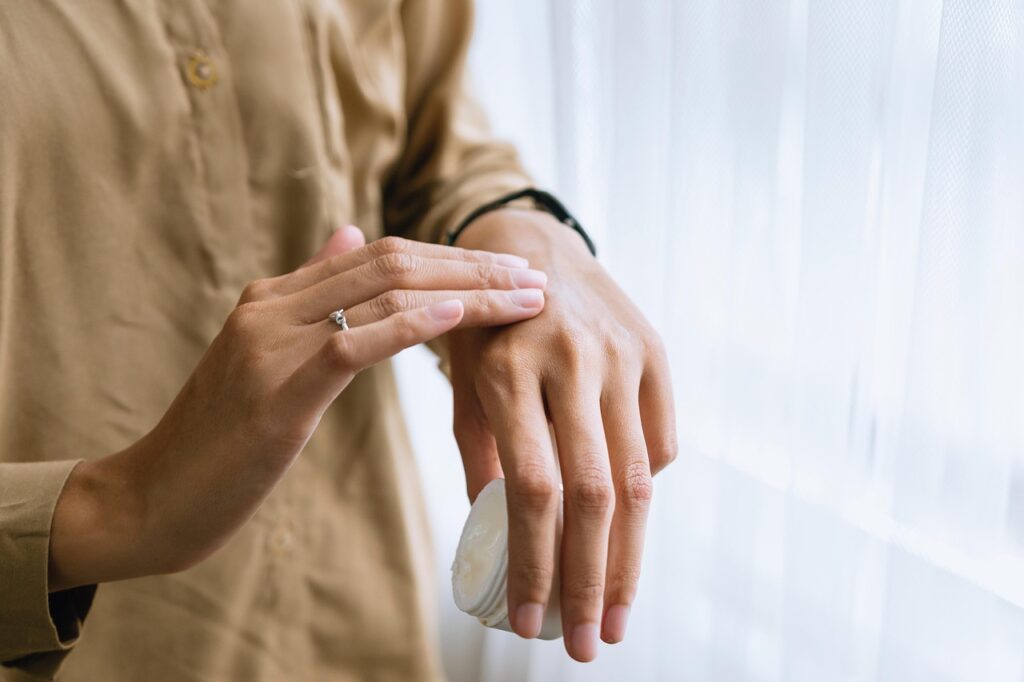
Cleveland Clinic recommends applying a thin layer to the face and gives the common pea-size amount as a guide. Apply it at bedtime after cleansing, avoid the corners of your nose, mouth, and eyes, and do not scrub while using it. More product does not mean faster results; it usually means more peeling. ([my.clevelandclinic.org](https://my.clevelandclinic.org/health/treatments/23293-retinol))
Moisturizer and Sunscreen
Moisturizer is not optional filler here. AAD says moisturizers can help the skin tolerate drying acne treatments such as adapalene, tazarotene, tretinoin, benzoyl peroxide, and salicylic acid. Retinoids can also make skin more sun-sensitive, so AAD advises night use and daytime sun protection, including shade, protective clothing, and sunscreen on exposed skin. ([aad.org](https://www.aad.org/public/diseases/acne/skin-care/moisturizer?utm_source=openai))
- Use retinol at night, not before a sunny commute.
- Apply moisturizer before or after retinol if your skin gets dry.
- Wear broad-spectrum SPF 30 or higher during the day.
- Pause retinol on sunburned, waxed, or freshly exfoliated skin.
Which Ingredients Pair Well With Retinol Skincare?
Pairing ingredients is where many routines go sideways. Retinol does not need a crowd. A cleanser, moisturizer, sunscreen, and one or two support ingredients are usually enough. If a formula is for export or private label, comfort ingredients may matter as much as the headline percentage.
Niacinamide for Comfort
Niacinamide is often used beside retinol because it supports a calmer routine. Mayo Clinic describes niacinamide as a form of vitamin B3 that may help reduce signs of aging, improve tone, and calm the skin. Cleveland Clinic also notes that niacinamide may help counteract irritating side effects from retinol. ([mayoclinic.org](https://www.mayoclinic.org/diseases-conditions/wrinkles/in-depth/wrinkle-creams/art-20047463))
Hyaluronic Acid for Water Support
Hyaluronic acid is a simple, familiar partner. Cleveland Clinic describes it as a moisturizer that slows water evaporation from skin, helping soothe and plump the surface. In a real bathroom routine, that may mean less tightness around the cheeks the morning after retinol. ([my.clevelandclinic.org](https://my.clevelandclinic.org/health/treatments/23293-retinol))
Vitamin C in the Morning
Vitamin C can sit in the same overall routine, but timing helps. Cleveland Clinic suggests vitamin C in the morning and retinol at night because both can irritate some skin types. AAD pregnancy guidance also lists vitamin C in the morning as one option for color changes during pregnancy, while retinoids remain on the avoid list during pregnancy. ([my.clevelandclinic.org](https://my.clevelandclinic.org/health/treatments/23293-retinol))
How Long Does Retinol Skincare Take to Show Results?
Retinol is a long game ingredient. If a product promises a total face reset in seven days, treat that as marketing language. You may feel texture changes earlier, but fine lines, uneven tone, and pore congestion usually need consistent use. A calendar is helpful here; memory is not always honest when you look in the mirror every morning.
Early Texture Changes
Cleveland Clinic says retinol starts working in cells right away, yet visible improvement in look and feel takes several weeks. It also notes that acne may look worse during the first couple of months as skin adjusts. That first rough patch is one reason gentle use directions matter. ([my.clevelandclinic.org](https://my.clevelandclinic.org/health/treatments/23293-retinol))
Twelve to Twenty Four Week Window
A well-known 2007 JAMA Dermatology randomized trial tested 0.4% retinol lotion in 36 elderly subjects with a mean age of 87. Staff applied retinol or vehicle to opposite arms up to three times weekly for 24 weeks. Fine wrinkling scores improved more with retinol than vehicle, with reported changes of -1.64 versus -0.08 and P<.001. The conclusion: retinol can improve fine wrinkles, but the study setting was controlled and slow, not instant. ([pubmed.ncbi.nlm.nih.gov](https://pubmed.ncbi.nlm.nih.gov/17515510/?utm_source=openai))
Results That Need Maintenance
Mayo Clinic notes that many nonprescription wrinkle products need regular use for up to six weeks before changes appear, and if you stop, skin may return toward its previous look. It also cautions that over-the-counter wrinkle products are regulated less strictly than prescription treatments and do not guarantee wrinkle reduction. ([mayoclinic.org](https://www.mayoclinic.org/diseases-conditions/wrinkles/in-depth/wrinkle-creams/art-20047463))
What Should Brands and Buyers Check on a Retinol Ingredient List?
For ingredient buyers, distributors, and product teams, retinol is not only a beauty story. It is also a stability, labeling, and consumer education issue. A good retinol formula should be easy to use correctly, because the customer’s skin barrier becomes part of the product experience.
Retinol Type and Packaging
Check whether the ingredient is retinol, retinal, retinyl ester, adapalene, or another retinoid. AAD points out that there is no standard requirement for over-the-counter products to disclose the percentage of retinol on the label or package, so clear supplier documentation can add real value. Airless pumps, opaque packaging, and sensible storage instructions are also practical signs of a serious formula. ([aad.org](https://www.aad.org/public/everyday-care/skin-care-secrets/anti-aging/retinoid-retinol))
Clear Use Directions
Good directions should tell users when to apply retinol, how much to use, how often to start, and when to pause. Cleveland Clinic lists common side effects such as dry, irritated skin, itching, burning, redness, peeling, flaking, and sunburn risk. A product that explains those basics calmly will likely earn fewer angry reviews than one that only says glow overnight. ([my.clevelandclinic.org](https://my.clevelandclinic.org/health/treatments/23293-retinol))
Claims That Stay Realistic
Keep claims tied to appearance, texture, tone, and visible lines unless the product is registered and labeled as a drug where required. The FDA warns that anti-aging products may cross into drug territory when claims involve changing the structure or function of skin. For OTC cosmetic retinol, careful wording is not boring legal housekeeping; it protects the brand and helps customers trust the label. ([fda.gov](https://www.fda.gov/cosmetics/cosmetic-products/wrinkle-treatments-and-other-anti-aging-products?utm_source=openai))
FAQ
Q1: Can You Use Retinol Skincare Every Night? A: Some experienced users can, but beginners should start two or three nights weekly or every other night. Increase only if your skin stays comfortable.
Q2: Should Retinol Go Before or After Moisturizer? A: Either can work. If your skin is sensitive, apply moisturizer first, then retinol, then another light layer of moisturizer if needed.
Q3: Can Retinol Help With Acne? A: Yes, retinol and other retinoids can help prevent clogged pores. For painful acne, scarring, or hormonal patterns, see a dermatologist.
Q4: Is a Higher Retinol Percentage Always Better? A: No. A higher strength can irritate more. A lower, well-packaged formula used consistently often gives a better real-life result.
Q5: Can You Use Retinol While Pregnant? A: No, it is generally advised to avoid retinoids, including over-the-counter retinol, during pregnancy. Ask your obstetrician or dermatologist for safer options.