What Does Your Sleep Routine Reveal About Nighttime Restlessness
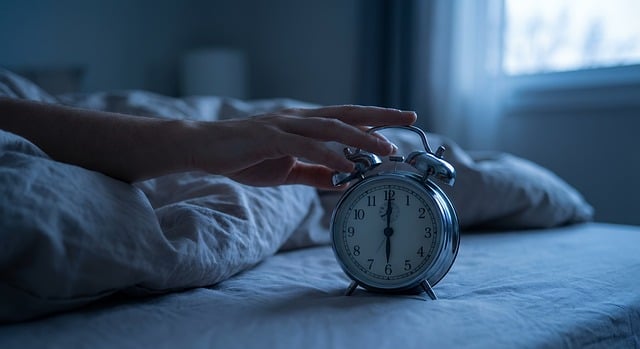
The Science Behind Why You Toss and Turn at Night—and How to Finally Sleep Better
Many adults struggle with nighttime restlessness despite maintaining what appears to be a consistent sleep routine. The root cause often lies in biological timing mismatches, overstimulated nervous systems, and behavioral habits that interfere with the body’s natural rhythms. Stable circadian alignment, balanced hormonal signaling, and controlled pre-sleep behavior can dramatically reduce tossing and turning. Research in chronobiology shows that regular routines enhance melatonin rhythm stability and improve deep sleep efficiency. The key is not just more sleep but better-timed sleep.
The Connection Between Sleep Routines and Nighttime Restlessness
Sleep quality depends on how well internal biological clocks synchronize with daily habits. When these rhythms drift, the body struggles to maintain restorative cycles even if total sleep time seems adequate.
Understanding the Biological Basis of Sleep Patterns
Circadian rhythms govern the body’s 24-hour cycle of alertness and rest through hormonal cues such as melatonin and cortisol. Melatonin secretion rises in darkness, signaling the brain that it’s time to prepare for rest. When light exposure extends late into the evening, melatonin release is delayed, causing difficulty falling asleep. The homeostatic drive—essentially the pressure to sleep that builds with wakefulness—interacts with circadian timing to determine when deep rest occurs. If these two systems fall out of sync, restorative stages like slow-wave and REM sleep become fragmented.
How Inconsistent Sleep Routines Affect Restorative Processes
Inconsistent bedtimes disrupt circadian synchronization, impairing both REM duration and deep sleep continuity. Even small variations in bedtime—say one hour earlier or later—can alter cortisol patterns, leading to higher nighttime alertness. Over time, irregular schedules create chronic fragmentation where individuals wake frequently without realizing it. This instability reduces physical recovery efficiency and impairs memory consolidation processes that normally occur during stable deep sleep phases.
Physiological Mechanisms Behind Nighttime Restlessness
Restlessness often reflects physiological imbalance rather than mere behavioral lapses. When stress hormones remain elevated or autonomic control falters, even minor disturbances can trigger awakenings.
The Role of the Autonomic Nervous System During Sleep
The autonomic nervous system alternates between sympathetic (arousal) and parasympathetic (rest) dominance across the night. Overactivation of the sympathetic branch—often due to stress or late-night stimulation—produces micro-arousals that fragment rest cycles. For stable restorative sleep, parasympathetic activity must dominate so heart rate and respiration slow naturally. Chronic stress skews this balance toward sympathetic dominance, perpetuating shallow rest and frequent awakenings.
Hormonal and Neurochemical Influences on Sleep Stability
Hormones such as cortisol follow a diurnal rhythm: peaking in the morning for alertness and declining by nightfall. When this pattern reverses due to irregular routines or stress exposure, late-evening cortisol surges delay sleep onset. Neurochemicals like GABA and serotonin regulate arousal thresholds; low GABA activity correlates with difficulty relaxing before bed. Disruption in these pathways manifests as persistent tossing even when physically tired.
Behavioral Factors That Disrupt Nocturnal Calmness
Beyond biology, lifestyle behaviors strongly shape how easily one transitions into restful states. Modern habits involving screens, caffeine, or mental overactivity often counteract natural cues for relaxation.
Pre-Sleep Habits That Interfere with Restfulness
Evening behavior sets the stage for either calm or agitation during rest hours.
Exposure to Artificial Light and Screen Use
Blue light from screens suppresses melatonin production by confusing photoreceptors that signal darkness to the brain. This delays circadian alignment, pushing natural sleep onset later into the night. Additionally, engaging with stimulating content keeps cognitive arousal high just when mental quiet is needed most.
Dietary and Stimulant Consumption Patterns
Caffeine blocks adenosine receptors responsible for promoting drowsiness; consuming it after mid-afternoon can prolong sleep latency well past bedtime. Heavy meals or alcohol also interfere by diverting energy toward digestion or altering REM architecture, leading to lighter fragmented rest even if total hours appear sufficient.
Psychological Contributors to Sleep Disturbance
Mental tension plays a central role in nighttime agitation.
The Impact of Anxiety and Cognitive Hyperarousal
Anxiety sustains elevated heart rate variability and muscle tension long after lying down. Persistent mental rehearsal—planning tasks or revisiting worries—prevents descent into deeper stages of non-REM sleep. Anticipatory stress before important events can maintain high sympathetic tone throughout the night, resulting in shallow broken rest patterns.
Environmental Conditions Influencing Sleep Quality
The physical environment interacts closely with physiology; temperature shifts or ambient noise subtly determine whether rest remains continuous or disturbed.
The Effect of Temperature, Light, and Noise on Sleep Continuity
Thermoregulation is critical: core body temperature must drop slightly for sleep onset to occur efficiently. Warm rooms impede this cooling process and delay transition into deep stages. Even low-level noise causes micro-awakenings detectable via EEG monitoring though sleepers may remain unaware. Excessive light exposure—from street lamps or digital indicators—reduces melatonin amplitude across nighttime hours.
Optimizing Bedroom Environments for Reduced Restlessness
Simple environmental adjustments can significantly improve consistency of rest cycles.
Temperature Regulation Strategies
Keeping bedrooms cooler—around 18°C—is ideal for supporting core temperature decline necessary for initiating stable rest periods.
Sound and Light Management Techniques
Blackout curtains prevent external light interference while white noise machines mask unpredictable sounds such as traffic or neighbors’ movement, maintaining sensory stillness conducive to uninterrupted cycles.
Data Insights from Sleep Tracking and Chronobiology Research
Modern wearable devices have transformed how researchers analyze nocturnal movement patterns associated with restless nights.
What Wearable Devices Reveal About Nighttime Movement Patterns
Actigraphy data show strong correlations between irregular routines and increased nocturnal awakenings measured through motion sensors. Variability in heart rate trends across nights indicates autonomic instability—a hallmark of restless episodes where sympathetic spikes interrupt recovery phases even without full awakening awareness.
Chronotype Considerations in Understanding Restlessness Patterns
Chronotype differences explain why some individuals naturally stay alert later into the evening while others fade early. Evening types experience delayed melatonin release leading to shorter total durations when constrained by early work schedules. Aligning daily tasks with inherent chronotype tendencies stabilizes hormonal rhythms and promotes consistent restfulness across weeks rather than fluctuating nightly outcomes.
Evidence-Based Approaches for Stabilizing Sleep Routines
Scientific interventions target both cognitive patterns driving pre-sleep arousal and physiological cues maintaining rhythmic stability over time.
Cognitive Behavioral Interventions for Improved Sleep Regularity
Cognitive Behavioral Therapy for Insomnia (CBT-I) addresses maladaptive thought loops fueling anxiety at bedtime through structured relaxation exercises and stimulus control techniques. Establishing predictable rituals—such as reading quietly under dim light before bed—creates consistent signals reinforcing circadian cues essential for initiating calm states each night.
Physiological Regulation Through Lifestyle Adjustments
Physical activity timing exerts measurable effects on autonomic balance relevant to nighttime tranquility.
Exercise Timing and Intensity Modifications
Morning or early-afternoon workouts enhance parasympathetic activation by evening while avoiding late-night intensity prevents residual adrenaline from delaying onset of drowsiness.
Nutritional Timing Alignment with Circadian Rhythms
Regular meal schedules synchronize metabolic processes with circadian cycles; erratic eating times confuse internal clocks much like inconsistent bedtimes do for hormonal rhythms.
Integrating Scientific Insights Into Personalized Sleep Optimization Plans
Personalized approaches grounded in biometric data now guide more precise interventions against chronic restlessness.
Using Data Analytics to Tailor Individualized Sleep Strategies
Combining wearable metrics such as heart rate variability with behavioral logs enables identification of specific triggers—like late caffeine use or irregular exposure to daylight—that undermine individual stability within a given sleep routine pattern.
Long-Term Benefits of Routine Stabilization on Cognitive Performance and Health Outcomes
Consistent routines yield measurable improvements beyond nightly comfort: enhanced memory consolidation during REM phases, better glucose metabolism regulation across days, and stronger cardiovascular resilience associated with reduced nighttime sympathetic surges over months of adherence.
FAQ
Q1: How long does it take to stabilize a disrupted sleep routine?
A: Most individuals notice improvement within two weeks once consistent bedtimes are maintained alongside controlled light exposure patterns.
Q2: Can exercise too close to bedtime cause restlessness?
A: Yes, vigorous activity within three hours before bed elevates adrenaline levels that delay relaxation responses needed for smooth transition into non-REM stages.
Q3: Why does anxiety increase tossing at night?
A: Anxiety sustains sympathetic activation which raises heart rate variability preventing full parasympathetic dominance necessary for restorative depth of sleep cycles.
Q4: Are naps harmful when trying to fix a disrupted schedule?
A: Short naps under 30 minutes early in the day are fine but long afternoon naps reduce homeostatic pressure making it harder to fall asleep at normal bedtime hours.
Q5: What bedroom temperature best supports restful nights?
A: Around 18°C suits most adults because cooler environments assist natural body cooling required at onset of stable restorative phases within each cycle.