What Is The Best Face Routine For Oily Skin That Keeps Sunscreen Shine-Free
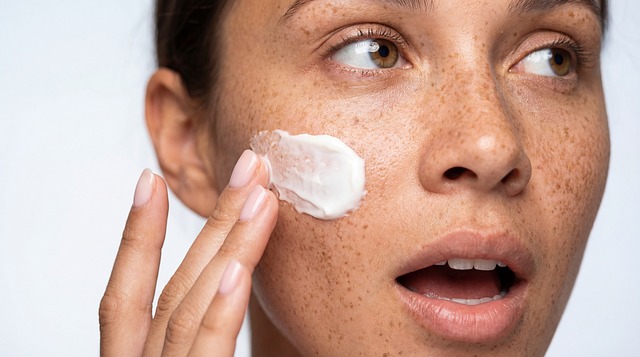
I’ve Finally Found Sunscreens for Oily Skin That Actually Stay Shine-Free
For those with oily skin, finding a sunscreen that keeps the face matte without clogging pores can feel like an endless search. The best face routine for oily skin focuses on balance—controlling excess sebum while maintaining hydration and barrier strength. Dermatologists now recommend lightweight, oil-free sunscreens with advanced mattifying technologies that stay shine-free even in humid conditions. This article explores the science of oily skin, how to build a balanced skincare routine, and which sunscreen formulations perform best for long-lasting comfort and protection.
Understanding Oily Skin and Its Unique Needs
Oily skin behaves differently from other types because its sebaceous glands produce more sebum than necessary. This natural oil helps protect the skin but can also lead to visible shine and clogged pores if not managed properly.
The Science Behind Oily Skin
Sebum overproduction stems from hyperactive sebaceous glands located within hair follicles. Hormonal fluctuations—especially during puberty or stress—can amplify this activity. Genetics plays a significant role as well; individuals with family histories of acne or oily complexions often share similar glandular patterns. Environmental conditions such as heat and humidity further stimulate oil flow. Moreover, the lipid composition in oily skin differs from normal or dry types, containing higher levels of wax esters and squalene that influence texture and barrier behavior.
Common Challenges in Managing Oily Skin
Persistent shine across the T-zone often frustrates those managing oily skin. Enlarged pores make makeup application uneven, while excess oil traps dirt and bacteria leading to breakouts. Acne-prone individuals experience frequent blackheads and inflammatory pimples due to blocked follicles. Additionally, makeup tends to slip off faster throughout the day as sebum mixes with foundation or powder, reducing product longevity.
Building a Balanced Face Routine for Oily Skin
A balanced regimen for oily skin should control sebum without stripping moisture. Over-cleansing or skipping moisturizer can paradoxically increase oil production as the skin compensates for lost hydration.
The Role of Cleansing in Oil Control
Cleansing twice daily with gel-based or foaming formulas removes surface impurities effectively while avoiding over-drying. A pH-balanced cleanser maintains the acid mantle that protects against microbial invasion. Ingredients such as salicylic acid penetrate deep into pores to dissolve oil buildup, while niacinamide helps regulate sebum output over time. Dermatologists often recommend avoiding harsh sulfates that disrupt barrier lipids.
Selecting the Right Toner for Oily Skin
Toning is not about alcohol-based astringents anymore; modern toners refine pores gently while preserving hydration balance. Formulas enriched with witch hazel provide mild tightening effects without irritation. Green tea extract offers antioxidant protection, reducing inflammation linked to excess sebum oxidation. Zinc-containing toners can also minimize surface shine by moderating sebaceous activity. Consistent use enhances absorption of serums and moisturizers applied afterward.
Moisturizing Without Adding Shine
Skipping moisturizer is a common mistake among those with oily complexions. Dehydration triggers compensatory oil secretion, worsening greasiness. Lightweight gel or water-based moisturizers deliver hydration through humectants like hyaluronic acid while leaving no residue. Non-comedogenic options containing ceramides strengthen barrier integrity and prevent transepidermal water loss. The goal is to achieve supple yet matte skin texture that remains stable throughout the day.
Sunscreen Strategies for Oily Skin Professionals Recommend
Sunscreen selection defines whether an oily-skin routine succeeds or fails during daylight hours. Many traditional sunscreens leave a greasy film that amplifies shine; however, new-generation formulas combine broad-spectrum protection with mattifying technology.
Characteristics of an Ideal Sunscreen for Oily Skin
The ideal sunscreen should be oil-free, non-comedogenic, and quick-absorbing. Mattifying agents such as silica micro-powders absorb excess sebum on contact, keeping complexion smooth under sunlight exposure. Broad-spectrum SPF 30 or higher ensures defense against both UVA aging rays and UVB burning rays without clogging pores or disrupting makeup adherence.
Types of Sunscreens That Stay Shine-Free Longer
Mineral-Based Sunscreens (Physical Filters)
Mineral sunscreens use zinc oxide and titanium dioxide to reflect UV rays rather than absorb them. These ingredients are less likely to irritate sensitive or acne-prone skin since they sit on top of the epidermis rather than penetrating it. They also provide immediate protection upon application—a practical advantage during outdoor activities.
Chemical-Based Sunscreens (Organic Filters)
Chemical filters like avobenzone or octocrylene absorb UV energy efficiently within lightweight emulsions ideal for daily wear under makeup. Advances in formulation now blend these filters with mattifying polymers that reduce surface glossiness without compromising comfort or coverage longevity.
Enhancing the Routine With Targeted Treatments
Beyond cleansing and sun protection, targeted treatments refine texture, reduce breakouts, and maintain long-term clarity in oily complexions.
Incorporating Exfoliation Wisely
Exfoliating two to three times weekly prevents accumulation of dead cells that trap oil inside pores. Chemical exfoliants such as beta hydroxy acids (BHAs) penetrate deeply into follicular linings where congestion begins, dissolving debris effectively without physical abrasion. However, frequency must match individual tolerance; overuse may weaken barrier lipids leading to redness or peeling.
Using Serums to Regulate Sebum Production
Niacinamide serums are widely recognized for reducing visible sebum output while improving tone uniformity across the face. Retinoids further normalize cell turnover rates, preventing comedone formation common in oily zones like nose and chin areas. Antioxidant-rich serums containing vitamin C shield against oxidative stress induced by pollution—a factor often overlooked but relevant for urban environments where oily skins accumulate grime faster.
Professional Insights on Maintaining a Shine-Free Finish Throughout the Day
Even with optimal skincare steps completed each morning, maintaining a matte finish requires strategic layering techniques and midday touch-ups suited specifically for oily types.
Layering Techniques That Improve Product Performance
Professionals advise applying products from thinnest consistency—like toner—to thickest—like moisturizer—to allow proper absorption at each stage. Allowing short pauses between layers prevents pilling when sunscreen follows moisturizer application. This order ensures each product performs its intended function without interference from residual textures beneath it.
Makeup Application Tips for Oily Skin Types
Priming plays an essential role before foundation application; silicone-based primers blur pores while controlling oil breakthrough underneath makeup layers. Powder foundations or translucent setting powders help lock sunscreen in place while preserving matte aesthetics throughout working hours or events under bright lighting conditions.
Midday Maintenance Without Disrupting Sunscreen Protection
Blotting papers remain one of the simplest tools: they lift surface oils instantly without disturbing SPF coverage already present on skin layers below. For additional refreshment during midday hours, professionals suggest using setting sprays formulated with micro-fine mattifiers that restore smoothness without heavy buildup—a subtle yet effective way to keep complexion balanced until evening routines resume.
FAQ
Q1: What causes excessive oil production in facial skin?
A: Overactive sebaceous glands driven by hormonal fluctuations and genetic predisposition primarily cause excessive sebum secretion.
Q2: How often should people with oily skin exfoliate?
A: Two to three times per week is generally sufficient; more frequent exfoliation risks damaging protective lipids.
Q3: Are mineral sunscreens better than chemical ones for oily complexions?
A: Both types can work effectively if formulated correctly; mineral options suit sensitive users while chemical ones offer lighter textures ideal under makeup.
Q4: Why do some moisturizers make oily skin worse?
A: Heavy creams rich in occlusive oils trap heat and increase surface shine; choosing gel-based non-comedogenic alternatives prevents this effect.
Q5: Can blotting papers remove sunscreen protection?
A: No, blotting papers absorb only surface oils without stripping underlying sunscreen layers when used gently across targeted areas like forehead or nose.