Can Laser Treatment for Dark Spots Effectively Address Facial and Body Scars
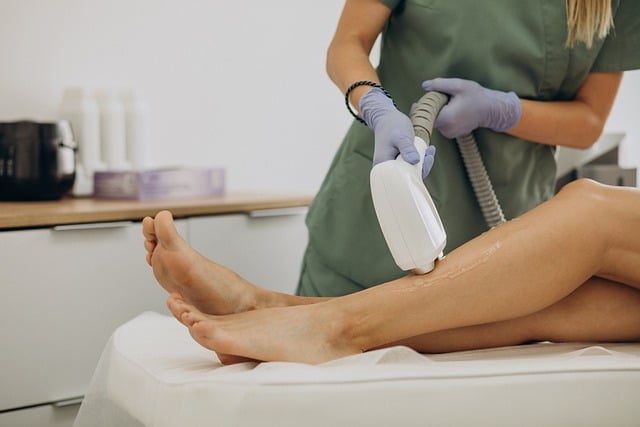
How Dermatologists Recommend Treating Scars on Your Face and Body
Laser technology has transformed how dermatologists treat scars and dark spots. Today, it’s not just about fading pigmentation but rebuilding skin structure from within. The most effective approach combines targeted laser systems with personalized care plans that consider skin type, scar maturity, and biological response. For both facial and body scars, controlled energy-based treatments—especially fractional and picosecond lasers—deliver visible improvements in tone, texture, and resilience.
Understanding the Mechanism of Laser Treatment for Dark Spots
Laser therapy works by directing concentrated light energy into the skin to break down pigment clusters or remodel scar tissue. The process is precise, allowing clinicians to treat damaged areas while sparing surrounding healthy tissue.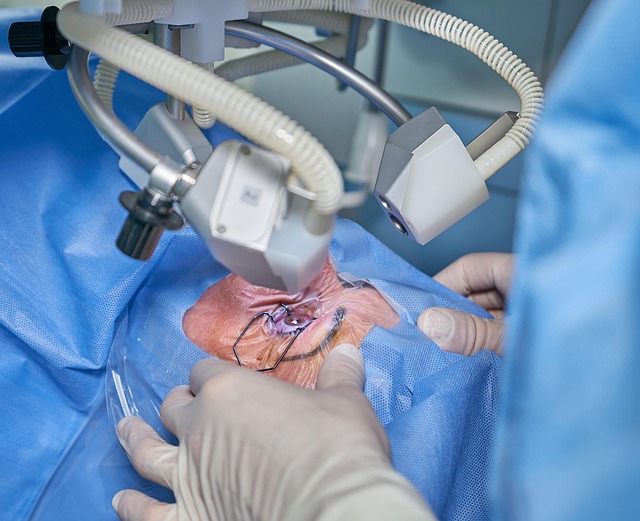
Principles of Laser-Based Skin Therapy
Lasers used in dermatology rely on selective photothermolysis—a principle where specific wavelengths target melanin or hemoglobin without harming adjacent structures. By adjusting pulse duration and fluence, practitioners can focus on pigment granules responsible for dark spots or stimulate fibroblasts to enhance collagen remodeling. Different wavelengths penetrate distinct skin depths; for instance, shorter wavelengths act on epidermal pigmentation, while longer ones reach dermal scars. This controlled micro-injury triggers a cascade of healing responses that lead to smoother and more uniform skin.
Types of Lasers Used in Treating Pigmentation and Scars
Ablative lasers like CO₂ and Er:YAG physically remove superficial layers of the epidermis, promoting resurfacing through new cell formation. Non-ablative options such as Nd:YAG or diode lasers heat deeper tissues without disrupting the surface barrier, making them suitable for patients seeking minimal downtime. Fractional lasers combine both principles by creating microscopic treatment zones surrounded by intact skin, which accelerates recovery while maintaining efficacy against pigmentation and fine scarring.
Evaluating the Effectiveness of Laser Treatment for Facial and Body Scars
The success of laser treatment depends on correctly identifying whether a lesion is primarily pigment-based or structural. Dermatologists tailor protocols accordingly to achieve balanced outcomes across different scar types.
Distinguishing Between Pigmented Lesions and Structural Scars
Post-inflammatory hyperpigmentation occurs when excess melanin accumulates following injury or inflammation. In contrast, structural scars—atrophic, hypertrophic, or keloid—reflect deeper disruptions in dermal architecture rather than surface pigment changes. Recognizing this difference is critical because treating pigment alone won’t correct textural irregularities caused by collagen imbalance.
Clinical Outcomes in Scar Reduction Through Laser Therapy
Fractional CO₂ lasers remain a cornerstone for improving texture irregularities by stimulating neocollagenesis and tightening dermal fibers. For residual pigmentation or mixed-type scars, picosecond and Q-switched lasers offer high precision through ultra-short pulses that shatter pigment particles into smaller fragments easily cleared by macrophages. Combination therapies—such as pairing laser sessions with topical retinoids or intralesional corticosteroids—often yield superior aesthetic results compared to monotherapy.
Factors Influencing Treatment Response and Safety Profiles
Every patient’s response to laser therapy varies based on intrinsic factors like genetics, hormonal activity, or systemic health conditions. Proper pre-assessment minimizes complications while maximizing therapeutic gain.
Skin Type Considerations in Laser Therapy
Patients with Fitzpatrick skin types IV–VI face greater risk for post-inflammatory hyperpigmentation (PIH) due to higher baseline melanin activity. Adjusting parameters such as fluence intensity, pulse duration, and wavelength selection helps mitigate this risk. Many practitioners also recommend pre-treatment priming using lightening agents like hydroquinone or azelaic acid to stabilize melanocyte activity before exposure to laser energy.
The Role of Patient-Specific Variables in Treatment Planning
Age influences collagen turnover; younger patients typically show faster remodeling responses than older individuals with reduced fibroblast activity. Scar maturity also matters—immature scars respond more readily than dense fibrotic ones formed years earlier. Endocrine fluctuations or metabolic disorders like diabetes can delay wound healing post-laser therapy. A comprehensive evaluation incorporating medical history ensures that treatment parameters align with each patient’s biological profile for optimal safety and efficacy.
Integrating Laser Treatments with Adjunctive Modalities
Modern dermatologic practice rarely relies on lasers alone. Combining modalities enhances results while reducing recovery time—a strategy increasingly favored in clinical protocols.
Synergistic Approaches to Enhance Scar Remodeling
Microneedling combined with fractional laser therapy amplifies neocollagenesis through dual mechanical and thermal stimulation pathways. Chemical peels applied post-laser help refine surface texture by accelerating exfoliation of residual pigmented cells. Platelet-rich plasma (PRP) injections further support regeneration by delivering growth factors directly into treated zones. Sequential scheduling—staggering these treatments over weeks—balances downtime against cumulative improvement.
Post-Treatment Care Protocols for Optimal Recovery
Strict sun avoidance remains non-negotiable after any laser session since UV exposure can reactivate melanocytes leading to recurrent pigmentation. Dermatologists often prescribe antioxidant serums rich in vitamins C and E to neutralize free radicals generated during healing. Hydrating creams containing ceramides or hyaluronic acid reinforce barrier function as microchannels close within days after fractional procedures.
Emerging Innovations in Laser Technology for Dermatologic Applications
Recent engineering advances have expanded what’s possible in scar management—from smarter sensors to adaptive algorithms that fine-tune energy delivery mid-procedure.
Advances in Wavelength Modulation and Pulse Engineering
Dual-wavelength systems now allow simultaneous targeting of both vascular redness and residual brown pigmentation within one session. Ultra-short pulse durations measured in picoseconds minimize heat spread beyond target chromophores, reducing collateral damage even in sensitive areas like periorbital skin. AI-assisted platforms are emerging that analyze real-time feedback from optical sensors to adjust fluence dynamically based on immediate tissue response metrics—a development expected to redefine procedural safety standards under IEC performance guidelines.
Future Directions in Personalized Laser Dermatology
Integration of high-resolution imaging diagnostics enables precise mapping of lesions before treatment initiation, improving targeting accuracy especially for mixed-depth scars. Genomic profiling may soon inform customized protocols predicting how an individual’s fibroblasts react to specific wavelengths or pulse patterns—a concept already explored within IEEE biomedical research frameworks. Continuous innovation aims at harmonizing efficacy with comfort so patients across all ethnic backgrounds experience consistent satisfaction from advanced laser systems designed for both dark spots and complex scarring cases.
FAQ
Q1: How many sessions are usually required for visible improvement?
A: Most patients notice changes after 2–4 sessions; however, deeper scars may require up to 6 treatments spaced several weeks apart depending on device type and skin response.
Q2: Is laser treatment safe for darker skin tones?
A: Yes, when performed using appropriate wavelength settings such as long-pulsed Nd:YAG lasers which minimize epidermal heating; pre-conditioning regimens further lower PIH risk.
Q3: Can laser therapy completely remove old scars?
A: Complete removal is rare; instead, significant softening of edges, color blending, and smoother texture are typical realistic outcomes observed clinically.
Q4: What should patients avoid after each session?
A: Sun exposure, exfoliating products, retinoids, and vigorous exercise should be avoided for at least 48 hours post-procedure until redness subsides fully.
Q5: Are results permanent once achieved?
A: Improvements from collagen remodeling tend to be long-lasting though maintenance treatments every 12–18 months help sustain even tone particularly when addressing dark spots from chronic sun damage associated with aging skin.