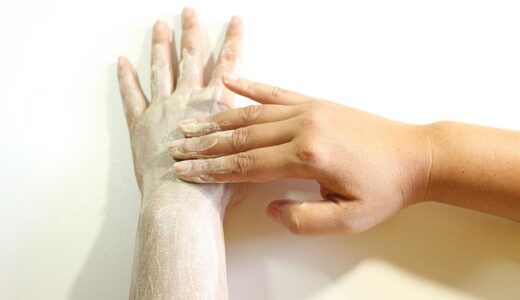
How Often Should You Exfoliate to Prevent Over-Exfoliating Acne-Prone Skin
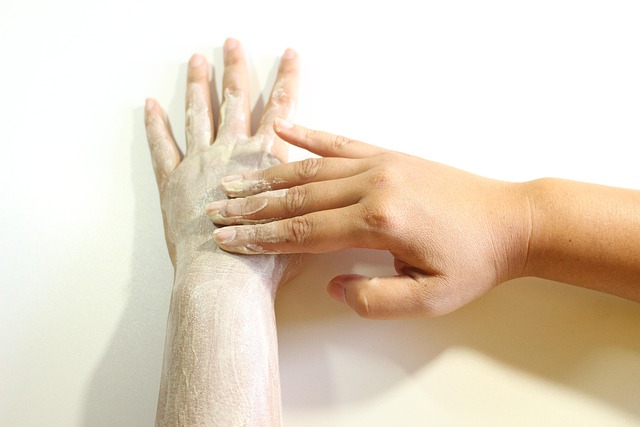
Are You Over-Exfoliating Your Skin? Common Mistakes People Make With Acne-Prone Skin
Exfoliation is essential for managing acne-prone skin, yet it’s also one of the most misunderstood steps in skincare. Many professionals observe that clients seeking faster results often exfoliate too frequently, leading to barrier damage and worsening breakouts. The right frequency depends on factors like skin tolerance, climate, and product formulation. For acne-prone skin, exfoliating two to three times weekly with mild acids usually maintains balance without irritation. Overdoing it can strip essential lipids and provoke inflammation. The key is moderation—exfoliate enough to renew but not so often that the skin loses its natural defense.
The Science Behind Skin Exfoliation
Healthy skin naturally sheds dead cells every 28 days, but acne-prone individuals often experience slower turnover, causing clogged pores and dullness. Exfoliation accelerates this renewal process by removing surface buildup and allowing treatments like salicylic acid or retinoids to penetrate more effectively. However, excessive exfoliation can weaken the barrier that retains moisture and shields against bacteria.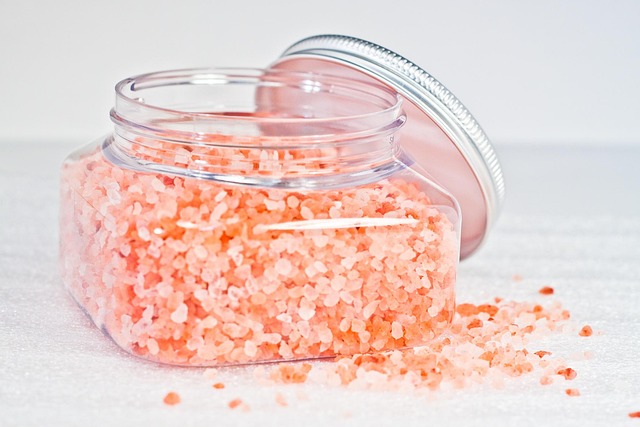
The Science Behind Skin Exfoliation
Exfoliation involves detaching corneocytes from the stratum corneum through mechanical or chemical means. This process promotes cellular regeneration and improves texture uniformity. When done correctly, it enhances absorption of active compounds such as niacinamide or peptides used in acne therapy. Still, dermatologists caution that over-exfoliation triggers microinflammation, which can disrupt lipid layers and lead to sensitivity or flare-ups.
Types of Exfoliation: Mechanical vs. Chemical
Mechanical exfoliants use scrubs or brushes to physically remove dead cells. They provide immediate smoothness but may cause microtears if used on inflamed acne lesions. Chemical exfoliants—like alpha hydroxy acids (AHAs), beta hydroxy acids (BHAs), and polyhydroxy acids (PHAs)—dissolve intercellular bonds instead of scraping the surface. AHAs target dullness and uneven tone; BHAs penetrate oil-filled pores; PHAs cater to sensitive types needing hydration with minimal irritation.
Determining the Ideal Frequency of Exfoliation for Acne-Prone Skin
Finding how often should you exfoliate depends on understanding your skin’s resilience and environmental exposure. Overuse of acids or scrubs can backfire even when formulas are mild.
Factors Influencing Exfoliation Frequency
Several variables shape exfoliation schedules: an individual’s barrier strength, humidity levels, pollution exposure, and product potency. Those living in dry climates may require fewer sessions since low humidity weakens barrier recovery. Stronger formulations like glycolic acid at high concentrations should be used less frequently than mild lactic or PHA-based products.
Recommended Exfoliation Schedule for Acne-Prone Skin
Mild acne-prone skin typically tolerates two to three exfoliating sessions per week using low-strength acids such as 0.5–1% salicylic or 5% lactic acid. For sensitive or compromised barriers, once-weekly gentle exfoliation prevents irritation while still aiding turnover. Monitoring how the skin reacts after each session helps fine-tune frequency—tightness or redness signals a need to scale back.
Recognizing the Signs of Over-Exfoliation
Even professionals sometimes overlook subtle indicators of over-exfoliation until inflammation becomes visible.
Common Indicators of Barrier Damage
Redness around the nose or cheeks, increased stinging upon applying moisturizer, persistent dryness, or flaking all point toward a compromised barrier. These symptoms reflect reduced ceramide levels and impaired water retention capacity.
How Over-Exfoliation Aggravates Acne Conditions
When the barrier weakens, inflammatory cytokines rise, aggravating existing acne lesions. Stripped skin also compensates by producing excess sebum, creating a cycle of congestion and irritation. Moreover, disruption of the microbiome fosters bacterial imbalance that worsens pustular breakouts.
Strategies to Prevent Over-Exfoliating Acne-Prone Skin
Preventing over-exfoliation requires balancing efficacy with protection through ingredient selection and supportive care routines.
Choosing the Right Type and Concentration of Exfoliant
Alpha Hydroxy Acids (AHAs) for Surface Renewal
AHAs such as glycolic and lactic acids work best for non-inflammatory acne where rough texture dominates. They improve radiance by loosening surface bonds but should be buffered with hydrating agents like glycerin to minimize sting.
Beta Hydroxy Acids (BHAs) for Deep Pore Cleansing
Salicylic acid remains a gold standard for oily complexions because it dissolves within sebum-filled pores to clear comedones and reduce swelling around lesions.
Polyhydroxy Acids (PHAs) for Sensitive Skin Types
PHAs like gluconolactone offer mild keratolytic action combined with humectant benefits ideal for reactive skin that cannot tolerate stronger acids.
Supporting the Skin Barrier During Exfoliation Routines
Incorporating Barrier-Reinforcing Ingredients
Post-exfoliation care should include ceramides, niacinamide, or fatty acids to restore lipid structure disrupted during cell shedding.
Maintaining Adequate Hydration Levels
Hydrating serums containing hyaluronic acid immediately after exfoliating help replenish water content lost during treatment sessions while calming potential irritation.
Integrating Exfoliation Into a Comprehensive Acne Management Plan
A sustainable regimen alternates active phases with recovery intervals so the skin maintains resilience without chronic stress.
Balancing Active Ingredients With Recovery Phases
On non-exfoliating days, antioxidant serums or peptide-based moisturizers support repair processes. Avoid combining strong actives like retinoids with exfoliants unless tolerance has been established through gradual introduction.
Monitoring Long-Term Skin Response and Adjusting Protocols Accordingly
Regular evaluation—every four to six weeks—helps determine whether current practices sustain clarity without recurring sensitivity cycles. Gradual adaptation strengthens barrier function while preserving consistent smoothness over time.
FAQ
Q1: How often should you exfoliate if you have cystic acne?
A: Once weekly using a gentle BHA formulation is advisable since cystic acne involves deeper inflammation that can worsen with frequent abrasion.
Q2: Can physical scrubs ever be safe for acne-prone skin?
A: Only very mild scrubs with rounded particles may be suitable occasionally; avoid harsh grains that can rupture pimples or spread bacteria.
Q3: What’s the best way to soothe over-exfoliated skin?
A: Pause all actives for several days and apply fragrance-free moisturizers rich in ceramides until redness subsides completely.
Q4: Do humid climates change how often you should exfoliate?
A: Yes, higher humidity supports faster cell turnover naturally; reducing frequency helps prevent unnecessary stripping in such environments.
Q5: Is tingling during acid use normal?
A: Mild tingling lasting under a minute can occur initially but prolonged burning suggests irritation—rinse off immediately if discomfort persists.