How Often Should You Exfoliate Your Face to Prevent Over-Exfoliation in Acne-Prone Skin
Are You Over-Exfoliating Your Skin? Common Mistakes People Make With Acne-Prone Skin
Exfoliation is vital for maintaining healthy skin, but acne-prone complexions often walk a fine line between clarity and irritation. Many people unknowingly over-exfoliate, stripping away essential lipids and disrupting the skin’s natural barrier. The result is redness, flaking, and even more breakouts. For acne-prone skin, moderation and method matter more than intensity. The key lies in balancing exfoliation frequency with proper recovery care. Experts generally recommend gentle chemical exfoliants two to three times per week for mild acne, reducing frequency when inflammation or sensitivity appears. Proper hydration and barrier support after exfoliation help maintain resilience and prevent damage.
The Role of Exfoliation in Acne-Prone Skin
Exfoliation plays a crucial part in managing acne by clearing pores and promoting skin renewal. However, the type of exfoliant used and the technique applied can significantly affect the outcome.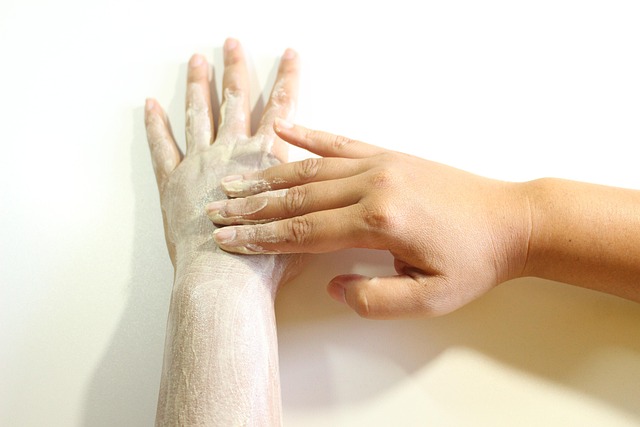
The Science Behind Exfoliation
Exfoliation removes dead skin cells that accumulate on the surface and clog pores, allowing for improved cell turnover. Chemical exfoliants such as AHAs (alpha hydroxy acids) and BHAs (beta hydroxy acids) dissolve bonds between cells rather than scrubbing them away, minimizing friction on sensitive skin barriers. When balanced correctly, exfoliation encourages smoother texture and reduces congestion without compromising barrier integrity.
Why Acne-Prone Skin Requires Special Consideration
Acne-prone skin tends to be reactive due to chronic inflammation and an unstable lipid barrier. Over-exfoliating can worsen this by causing micro-injury that triggers redness or new lesions. Furthermore, the microbiome balance—comprising beneficial bacteria—plays an essential role in preventing pathogenic overgrowth linked to acne flare-ups. Maintaining this balance through gentle exfoliation helps reduce inflammation while supporting healing.
Determining the Optimal Exfoliation Frequency
The question of how often should you exfoliate your face depends on multiple variables including product strength, skin type, and environmental exposure.
Factors That Influence How Often You Should Exfoliate Your Face
Skin type strongly dictates tolerance levels: oily complexions may handle more frequent exfoliation than dry or sensitive ones. Environmental stressors such as humidity or pollution also alter the need for exfoliation since they affect sebum production and buildup rates. Additionally, combining actives like retinoids or vitamin C requires adjusting frequency to avoid cumulative irritation.
Recommended Frequency for Acne-Prone Skin Types
Mild to Moderate Acne Conditions
For mild breakouts or congested pores, exfoliating two to three times weekly with a mild AHA or BHA formulation is ideal. Lactic acid gently resurfaces while salicylic acid penetrates oil-filled pores to clear debris. Monitoring for signs like stinging or redness helps detect early overuse before barrier damage sets in.
Severe or Inflamed Acne Conditions
When acne is cystic or inflamed, once-weekly exfoliation is safer under dermatologist guidance. Formulations containing niacinamide or azelaic acid calm inflammation while refining texture gradually. Harsh scrubs or high-concentration acids should be avoided as they can aggravate lesions further.
Identifying Signs of Over-Exfoliation
Recognizing early symptoms of over-exfoliation allows timely correction before long-term damage occurs.
Common Symptoms of Barrier Damage
Persistent redness after cleansing indicates compromised barrier function. Tightness or burning sensations signal dehydration from excessive cell removal. In some cases, the skin compensates by producing more oil, leading to greasy yet flaky texture—a paradoxical sign of imbalance.
How Over-Exfoliation Impacts Acne Development
When the lipid barrier weakens, it becomes easier for acne-causing bacteria to proliferate within pores. Physical scrubs with coarse particles may create micro-tears that worsen inflammation and increase scarring risk over time. Moreover, insufficient hydration following aggressive exfoliation slows healing of existing blemishes.
Choosing the Right Type of Exfoliant for Acne-Prone Skin
Selecting an appropriate exfoliant involves understanding how each category interacts with sebum production and sensitivity thresholds.
Chemical vs Physical Exfoliants: Key Differences and Effects
Chemical Exfoliants (AHAs, BHAs, PHAs)
Chemical options penetrate deeper layers without mechanical abrasion. AHAs like glycolic acid target surface dullness; BHAs such as salicylic acid are oil-soluble and clear clogged follicles effectively; PHAs provide gentler resurfacing suitable for highly sensitive types.
Physical Exfoliants (Scrubs, Brushes)
Physical methods rely on friction to lift dead cells from the surface but can easily cause irritation if used roughly or too often. If chosen at all, fine-grain scrubs should be applied lightly no more than once weekly on resilient areas only.
Selecting Formulations Based on Active Ingredients
Alpha Hydroxy Acids (AHAs)
These water-soluble acids refine uneven tone by loosening dead surface cells—ideal for dullness rather than deep congestion issues.
Beta Hydroxy Acids (BHAs)
Because they dissolve in oil, BHAs reach deeper into pores where sebum accumulates, making them preferred for blackheads and whiteheads common in acne-prone zones.
Polyhydroxy Acids (PHAs)
PHAs offer mild action with added humectant properties that attract moisture—excellent for those prone to dryness alongside breakouts.
Supporting Skin Recovery After Exfoliation
Post-exfoliation care determines how well the skin restores its natural defense mechanisms against environmental stressors.
Importance of Post-Exfoliation Care
Hydration immediately after treatment replenishes lost moisture while sealing micro-gaps within the epidermis. Ingredients such as ceramides strengthen structural lipids; peptides encourage repair processes that restore elasticity over time.
Integrating Soothing Agents into Skincare Routine
Hydrating Serums and Moisturizers
Hyaluronic acid-based serums draw water into deeper layers ensuring suppleness even after chemical treatments reduce oil content temporarily.
Calming Additives
Botanical extracts like green tea polyphenols or centella asiatica soothe irritation following acid use; panthenol further reduces redness through its anti-inflammatory effect.
Professional Recommendations for Sustainable Exfoliation Practices
Dermatologists emphasize gradual adaptation rather than rigid schedules when determining ideal frequency for long-term maintenance.
Adjusting Frequency Based on Skin Response
Observing weekly changes in oil balance or breakout patterns helps fine-tune routine intensity. If tingling persists beyond application timeframes or flaking worsens, spacing out sessions prevents cumulative stress on tissue layers until stability returns.
Combining Exfoliation with Other Acne Treatments Safely
Retinoids and Exfoliants Interaction
Alternating retinoid nights with exfoliant days prevents overlapping irritation pathways since both accelerate turnover through different biochemical mechanisms.
Incorporating Sunscreen Protection Daily
After any form of exfoliation, photosensitivity increases substantially; daily SPF 30+ shields against UV-induced pigmentation rebound particularly common post-acid use during summer months.
FAQ
Q1: How often should you exfoliate your face if it’s oily but acne-prone?
A: Two to three times weekly using a gentle BHA works best since it clears excess sebum without stripping natural oils completely.
Q2: Can physical scrubs be used alongside chemical peels?
A: It’s not recommended; combining them risks micro-abrasions that compromise healing capacity especially when active acne exists.
Q3: What are immediate signs that indicate over-exfoliation?
A: Burning sensation after washing or persistent flaking beyond normal dryness suggests barrier impairment requiring rest from actives.
Q4: Do PHAs work better for sensitive acne-prone skin?
A: Yes, PHAs provide mild resurfacing while hydrating simultaneously making them suitable alternatives when stronger acids cause stinging.
Q5: Is sunscreen mandatory after every exfoliating session?
A: Absolutely; freshly exposed cells are vulnerable to UV rays so consistent SPF application prevents hyperpigmentation recurrence post-treatment.