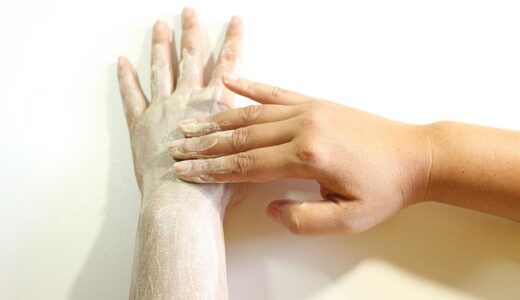
Are Skin Barrier Repair Products the Key to Reversing Damage from Overuse

Is Your Skincare Routine Slowly Burning Out Your Skin? Know Why Overusing Products May Be More Harmful
Modern skincare routines often promise transformation, yet many users unknowingly damage their skin through excess. The overuse of actives, exfoliants, and layered formulations can erode the skin’s natural defense system. When the barrier weakens, inflammation, dehydration, and sensitivity follow. The solution lies not in adding more products but in restoring balance with targeted skin barrier repair products that rebuild lipid integrity and calm irritation.
Understanding the Skin Barrier and Its Functions
The skin barrier is more than a surface layer; it is a complex biological interface that dictates how the skin interacts with its environment. Its condition determines hydration levels, resilience, and even immune responses.
The Structure and Composition of the Skin Barrier
The stratum corneum forms the outermost layer of the epidermis and acts as the body’s primary defense against environmental stressors such as pollutants and microbes. It functions much like a brick-and-mortar wall: corneocytes represent the bricks, while intercellular lipids—composed mainly of ceramides, cholesterol, and fatty acids—serve as mortar. These lipids maintain barrier integrity by preventing water loss and ensuring cohesion among cells. When lipid organization is disrupted, transepidermal water loss (TEWL) increases significantly, leading to dryness and microcracks that invite irritants into deeper layers.
The Biological Role of the Skin Barrier in Homeostasis
Beyond physical protection, the barrier regulates internal equilibrium. It maintains hydration by controlling evaporation rates and prevents microbial invasion through its slightly acidic pH—typically between 4.5 and 5.5—which supports enzymatic activity essential for lipid synthesis and antimicrobial peptide function. This balance allows efficient recovery after exposure to UV radiation or chemical agents commonly found in skincare formulations.
The Consequences of Overusing Skincare Products
While product innovation has expanded consumer choices, excessive use of active ingredients can destabilize even healthy skin. Many professionals now observe rising cases of barrier impairment linked to over-enthusiastic routines.
How Excessive Product Use Impacts the Epidermal Barrier
Over-exfoliation—whether mechanical or chemical—strips away protective corneocytes prematurely. This weakens lipid layers responsible for moisture retention. Continuous application of strong acids or retinoids triggers subclinical inflammation that manifests as burning or stinging sensations. Furthermore, layering incompatible formulations alters surface pH and disrupts microbiome stability, undermining natural defenses.
Clinical Manifestations of a Compromised Skin Barrier
When this structure fails, symptoms become visible: persistent dryness, redness around nasolabial folds or cheeks, and increased sensitivity to previously tolerated products. Chronic disruption predisposes individuals to dermatitis variants such as irritant contact dermatitis or perioral dermatitis. Moreover, impaired absorption pathways reduce the efficacy of subsequent treatments since actives penetrate irregularly through damaged tissue.
Mechanisms of Skin Barrier Repair Products
Professional dermatology now emphasizes functional recovery rather than aggressive correction. Skin barrier repair products are formulated to restore structural lipids, enhance hydration dynamics, and calm inflammatory cascades.
Key Ingredients That Support Barrier Restoration
Ceramides and Lipid Complexes
Ceramides are central to rebuilding damaged barriers because they replenish essential lipids lost through overuse or environmental stressors like cold air or detergents. Advanced lipid complexes mimic natural lamellar structures to reinforce intercellular cohesion, improving resilience against external irritants.
Humectants and Occlusives
Humectants such as glycerin and hyaluronic acid draw water into the stratum corneum from deeper epidermal layers or ambient humidity. Squalane acts both as an emollient and occlusive agent by forming a breathable film that reduces TEWL during recovery phases without clogging pores—a crucial feature for acne-prone patients.
Anti-inflammatory Agents and Antioxidants
Niacinamide modulates cytokine activity to reduce redness while supporting ceramide synthesis. Panthenol enhances epithelial regeneration by promoting fibroblast proliferation. Plant-derived antioxidants like green tea extract neutralize free radicals generated by UV exposure or pollution-induced oxidative stress.
How Formulation Science Enhances Efficacy
Modern formulation science uses encapsulation technologies such as liposomes to deliver actives deeper into the epidermis with minimal irritation risk. Maintaining balanced pH values within formulations preserves microbiome harmony during healing phases. Non-comedogenic bases further guarantee compatibility with sensitive or reactive skin types often affected by overuse syndromes.
Evaluating the Effectiveness of Barrier Repair Strategies
Assessing restoration success requires both quantitative measurement tools and clinical observation rather than subjective feel alone.
Measuring Improvement in Barrier Functionality
TEWL meters quantify water vapor flux across skin surfaces—a direct indicator of barrier performance improvement following consistent use of reparative creams or serums. Corneometry assesses hydration levels post-treatment by measuring dielectric constants within superficial layers. Clinical scoring systems evaluate visible parameters such as erythema reduction or scaling improvement over time.
Factors Influencing Recovery Outcomes
Individual differences in lipid synthesis capacity explain why some patients recover faster than others under identical regimens. External conditions also matter: low humidity slows repair due to increased evaporation rates even when emollients are used correctly. Consistent application remains critical; sporadic use fails to sustain lipid replenishment cycles necessary for long-term stability.
Integrating Skin Barrier Repair into Professional Skincare Protocols
Dermatologists increasingly integrate barrier-focused strategies before initiating advanced treatments like chemical peels or laser resurfacing to minimize complications.
Developing Evidence-Based Treatment Plans
A comprehensive assessment should precede any introduction of potent actives or exfoliants. Professionals recommend starting with mild formulations while monitoring tolerance thresholds through patch testing or short-contact protocols before escalation.
Combining Repair Products with Preventive Approaches
Adjusting Product Frequency and Concentration
Practitioners often adjust concentration levels based on patient tolerance rather than standardized dosing charts. Alternating treatment days allows natural regeneration cycles between exfoliation sessions while maintaining therapeutic benefits without cumulative irritation.
Supporting Long-Term Skin Health Maintenance
Barrier-supportive moisturizers containing ceramide-rich emulsions should remain staples in daily care routines regardless of age group or climate zone. Educating clients on recognizing early signs—tightness after cleansing or tingling upon product application—helps prevent chronic damage from recurring misuse patterns.
Future Directions in Skin Barrier Research and Formulation Development
Emerging research continues to refine how cosmetic chemistry supports biological resilience rather than merely masking symptoms.
Advances in Biomimetic Technology for Barrier Restoration
Synthetic lipid analogs now replicate native ceramide structures at molecular precision for better integration within existing lamellae networks. Smart emulsions dynamically adjust hydration delivery according to ambient humidity using responsive polymers that sense environmental shifts—a promising direction for adaptive skincare systems.
Emerging Insights into Microbiome-Skin Barrier Interactions
Probiotic-derived peptides demonstrate potential in restoring microbial balance following antibiotic exposure or harsh cleansing regimens. Mapping microbiota diversity across different ethnic groups may guide next-generation skin barrier repair products tailored for regional climates or genetic predispositions toward sensitivity disorders.
FAQ
Q1: How can someone tell if their skin barrier is damaged?
A: Common signs include tightness after washing, persistent redness, flaking around nose areas, increased breakouts despite gentle care, and heightened stinging from mild products.
Q2: Are all moisturizers considered barrier repair products?
A: No; only those containing physiological lipids like ceramides or cholesterol complexes actively rebuild structural integrity rather than providing temporary surface relief.
Q3: Can overuse of sunscreen harm the skin barrier?
A: Sunscreen itself rarely damages unless combined with multiple exfoliating steps; however, frequent removal using harsh cleansers may indirectly weaken protective oils.
Q4: How long does it take for a compromised barrier to heal?
A: Mild disruptions may recover within one week with consistent emollient use; severe cases involving inflammation might require four weeks under dermatological supervision.
Q5: Do diet or lifestyle factors influence barrier strength?
A: Yes; deficiencies in essential fatty acids reduce natural ceramide synthesis while chronic stress elevates cortisol levels that impair epidermal regeneration efficiency.