Is Your Skin Care Routine for Dry Skin Effective in the Summer Heat
Do You Need a Different Skincare Routine in the Summer? A Dermatologist Explains
When temperatures rise, the skin’s physiology changes in measurable ways. Increased heat and UV exposure alter hydration dynamics, lipid balance, and barrier function. For those with dry skin, this means that a winter-focused regimen may not perform well in summer. Dermatologists agree that a seasonal shift in skincare—favoring lighter hydration, protective antioxidants, and barrier-supportive sunscreens—is essential for maintaining comfort and resilience. The short answer is yes: your skin care routine for dry skin needs adjustment when summer arrives.
Understanding the Behavior of Dry Skin in Summer
The warmer months challenge the skin differently than cold weather. Elevated heat, humidity swings, and stronger sunlight all influence how moisture moves through the epidermis. Dry skin types often experience paradoxical dehydration even in humid climates.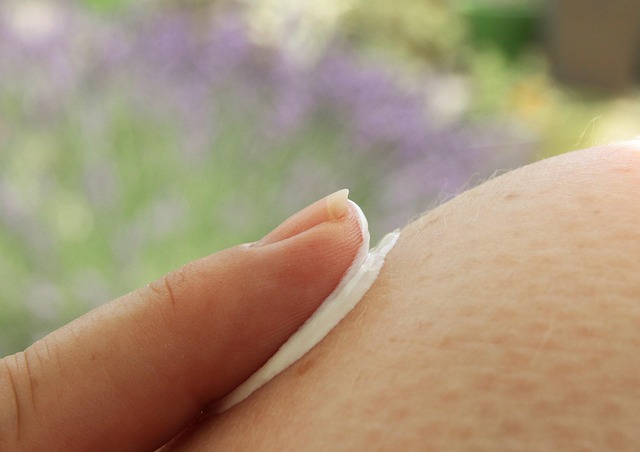
Physiological Changes in the Skin During Warmer Months
Higher temperatures accelerate transepidermal water loss (TEWL), meaning more water escapes through the epidermis. This process weakens the outer layer’s lipid matrix, leaving dry skin prone to tightness or irritation. Humidity fluctuations also interfere with natural lipid organization, reducing barrier efficiency. Meanwhile, UV radiation increases oxidative stress within keratinocytes and diminishes the skin’s ability to retain moisture. Over time, this combination leads to dullness and micro-flaking even when environmental humidity seems high.
The Impact of Environmental Factors on Dry Skin
Indoor cooling systems are another hidden stressor. Air conditioning reduces ambient humidity, drawing moisture from the epidermis faster than it can be replenished. In cities, ozone and airborne pollutants further damage lipids and proteins essential for barrier strength. Sweat production adds complexity: while sweating helps regulate body temperature, it can deplete electrolytes and surface moisture if hydration isn’t maintained properly. Without compensatory care, these factors compound dryness throughout summer.
Evaluating the Effectiveness of a Winter-Based Routine in Summer Conditions
A skincare regimen designed for cold weather often relies on heavy occlusives that trap moisture under low-humidity conditions. However, these same products may feel greasy or congestive during summer’s warmth.
Differences Between Cold and Warm Climate Skin Needs
Winter routines emphasize thick creams rich in petrolatum or shea butter to seal hydration against dry air. In contrast, summer favors humectants like glycerin or hyaluronic acid that draw water into the stratum corneum without adding weight. Lightweight emulsions or gel-based moisturizers help maintain breathability while preventing pore blockage—a key concern when sweat and sebum increase.
Identifying Signs That Your Routine Needs Adjustment
If tightness persists despite humid weather or flaking appears around cheeks and temples, hydration methods may be inadequate. Conversely, breakouts indicate product overload or occlusive buildup unsuited to warmer climates. Dullness can signal insufficient exfoliation or weak sun defense; both are common when winter habits carry over unchecked.
Key Components of an Effective Summer Routine for Dry Skin
Transitioning routines doesn’t mean abandoning core principles—it means recalibrating texture and timing to suit environmental stressors.
Cleansing Strategies for Maintaining Barrier Integrity
Cleansers should be mild and pH-balanced to avoid stripping lipids essential for protection. Over-cleansing disrupts microbial equilibrium and increases TEWL. A single evening cleanse with a gentle surfactant followed by hydrating ingredients such as ceramides or glycerin maintains clarity without compromising comfort.
Hydration and Moisturization Techniques Adapted for Heat Exposure
Summer moisturization focuses on balance: enough emolliency to support barrier repair but light enough to prevent congestion.
Selecting Appropriate Moisturizers
Formulas containing hyaluronic acid or polyglutamic acid attract water molecules efficiently while remaining breathable. Ceramide complexes reinforce intercellular lipids without heaviness—ideal for those prone to dryness yet sensitive to occlusives.
Layering Hydration Effectively
Applying a water-based serum before moisturizer enhances retention by layering humectants beneath emollients. Facial mists used mid-day can refresh skin between cleansing cycles; however, they should include ingredients like panthenol or aloe rather than plain water to avoid transient dehydration after evaporation.
The Role of Sun Protection in Managing Dry Skin During Summer
Sun exposure remains one of the strongest external accelerators of dryness due to oxidative reactions within cell membranes.
Choosing Sunscreens Compatible with Dry Skin Types
Broad-spectrum SPF formulations containing moisturizing agents such as squalane or shea esters protect while softening texture. Physical filters like zinc oxide provide stable coverage with minimal irritation risk—especially important for sensitive dry skin that reacts poorly to chemical absorbers under heat.
Integrating Antioxidants into Photoprotection Strategies
Topical antioxidants including vitamin C, niacinamide, and ferulic acid strengthen UV defense by neutralizing free radicals generated during exposure. When combined with sunscreen each morning, they reduce photoaging markers like fine lines while preserving hydration capacity throughout the day.
Advanced Considerations for Dermatological Professionals
For clinicians managing xerosis-prone patients during seasonal transitions, formulation science becomes central to effective recommendations.
Formulation Science Behind Seasonal Product Adjustments
Emulsion stability changes with ambient temperature; higher heat lowers viscosity and alters lipid phase behavior within creams and gels. Water-binding polymers must be recalibrated according to local humidity levels so their humectant action remains balanced rather than excessive—preventing stickiness yet sustaining efficacy over several hours of wear.
Diagnostic Evaluation of Barrier Function in Summer Patients with Xerosis-Prone Skin
Objective assessment tools such as TEWL meters and corneometers quantify hydration shifts across seasons. Lipid profile analysis identifies deficits in ceramides or cholesterol fractions that may worsen under UV exposure. Dermatologists can then tailor regimens based on biomarker data rather than general seasonal assumptions—a precision approach increasingly favored in clinical practice.
Integrating Lifestyle and Environmental Management into Skincare Protocols
Topical care works best alongside behavioral adjustments that support systemic hydration and barrier recovery.
Hydration and Nutritional Support for Epidermal Health
Adequate daily fluid intake complements topical moisturizers by sustaining dermal water reserves from within. Diets rich in omega-3 fatty acids (from fish oils or flaxseed) improve lipid synthesis at the cellular level, while antioxidants from fruits counter oxidative stress induced by sunlight.
Environmental Modifications to Reduce Moisture Loss
Extended use of air conditioning benefits comfort but dries air significantly; using a humidifier restores indoor moisture balance around 40–50%. Limiting direct sun exposure during peak hours reduces transdermal dehydration caused by radiant heat on already compromised skin surfaces.
FAQ
Q1: Should people with dry skin exfoliate during summer?
A: Yes, but gently—once weekly using mild chemical exfoliants like lactic acid helps remove buildup without impairing barrier recovery.
Q2: Can facial oils replace moisturizers in hot weather?
A: Only partially; lightweight oils can supplement but not replace humectant-based hydrators necessary for sustained water retention.
Q3: How often should sunscreen be reapplied?
A: Every two hours outdoors or after swimming or sweating heavily; consistent reapplication is vital even under shade due to reflected UV rays.
Q4: Does higher humidity eliminate the need for moisturizer?
A: No; humidity aids surface hydration but cannot substitute lipid reinforcement required by inherently dry skin types.
Q5: Are antioxidant serums safe under strong sunlight?
A: Yes; most are photostable when layered beneath sunscreen and actually enhance protection against oxidative damage from UV exposure.