What Makes a Face Care Routine for Dry Skin Essential as We Age
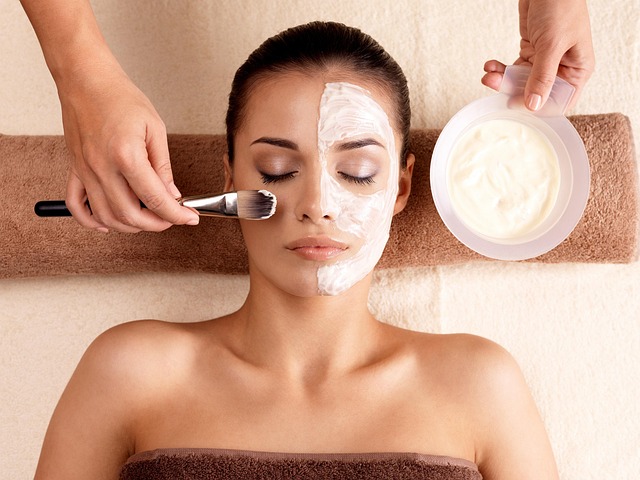
Our Skin Gets Drier as We Age — Look for These 7 Ingredients in a Moisturizer for Mature Skin
As skin matures, its natural ability to retain moisture declines. This dryness is not merely a cosmetic concern but a biological shift involving collagen loss, lipid barrier weakening, and slower cell renewal. To maintain comfort and resilience, a targeted face care routine for dry skin becomes essential. The most effective moisturizers for mature complexions contain ingredients that restore hydration, rebuild the barrier, and support elasticity. Hyaluronic acid, ceramides, glycerin, squalane, niacinamide, peptides, and shea butter stand out as proven choices backed by dermatological research.
Understanding the Relationship Between Aging and Skin Dryness
Skin aging is a multifactorial process influenced by internal biology and external exposure. Its dryness results from structural changes that gradually alter how skin holds moisture.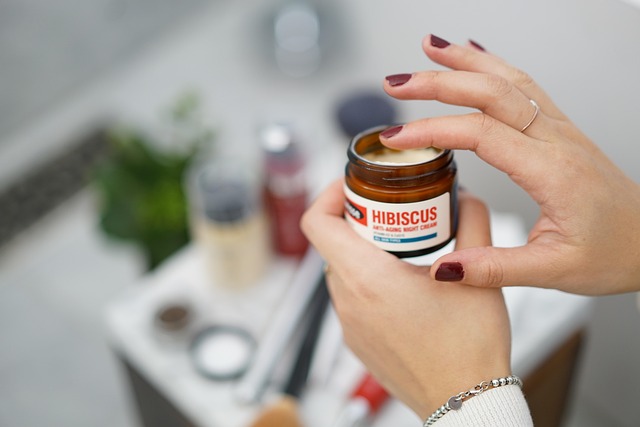
How the Skin’s Structure Changes Over Time
Collagen and elastin production decline naturally with age. These proteins form the scaffolding that keeps skin firm and supple. When their synthesis slows, fine lines deepen and texture roughens. The lipid barrier—composed of fatty acids and ceramides—also weakens over time. This leads to increased transepidermal water loss (TEWL), making skin more vulnerable to dehydration even in humid environments. Additionally, slower cell turnover causes dead cells to accumulate on the surface, resulting in dullness and uneven tone.
Factors That Exacerbate Dryness in Mature Skin
Environmental stressors such as UV radiation and pollution accelerate oxidative damage that depletes moisture reserves. Hormonal shifts during menopause further reduce sebum production due to declining estrogen levels. Lifestyle habits like low water intake or irregular sleep can amplify dryness since hydration balance depends on both internal and external care.
The Importance of a Targeted Face Care Routine for Dry, Aging Skin
Aging skin cannot rely on generic moisturizers alone. It demands a regimen designed to replenish what time has diminished—moisture retention capacity and structural integrity.
Why Mature Skin Requires Specialized Care
With age, natural moisturizing factors (NMFs) such as amino acids and urea diminish significantly. These compounds bind water within the stratum corneum; their loss leads to tightness and flaking. A dedicated face care routine for dry skin helps restore these elements while strengthening the lipid barrier against environmental assault. Regular hydration also supports elasticity by maintaining turgor pressure within deeper layers.
Key Components of an Effective Routine
A gentle cleanser removes impurities without stripping oils vital to barrier function. Hydrating toners or essences prepare skin for active ingredients by improving permeability. Finally, moisturizers rich in emollients (like shea butter) and humectants (like glycerin) create long-lasting hydration through multi-layer moisture binding.
Essential Ingredients to Look for in Moisturizers for Mature, Dry Skin
Selecting the right formulation matters as much as consistency in use. Each of the following seven ingredients plays a distinct role in reinforcing hydration pathways.
Hyaluronic Acid: The Hydration Magnet
Hyaluronic acid attracts water molecules from both air and underlying tissues into the epidermis. It can hold up to 1,000 times its weight in water, making it one of skincare’s most powerful hydrators. By replenishing lost volume between cells, it visibly softens fine lines caused by dehydration rather than aging itself.
Ceramides: Restoring the Skin Barrier
Ceramides are lipids naturally present in healthy skin but decline with age or harsh cleansing habits. Reintroducing them through topical products restores barrier integrity and prevents further moisture loss. They also shield against irritants such as detergents or particulate pollution that often worsen dryness symptoms.
Glycerin: A Classic Humectant with Proven Efficacy
Glycerin remains a cornerstone ingredient due to its compatibility with all skin types. It draws ambient humidity into surface layers without clogging pores or triggering sensitivity reactions. Dermatologists often recommend glycerin-based formulations because they maintain softness even under low-humidity conditions common indoors during winter months.
Squalane: Lightweight Nourishment for Mature Skin
Derived from olives or sugarcane, squalane mimics natural sebum composition closely enough to balance hydration without greasiness. Its lightweight texture suits sensitive or reactive complexions prone to irritation from heavier oils. Regular use helps smooth rough patches while improving suppleness.
Niacinamide: Strengthening and Brightening Benefits
Niacinamide (vitamin B3) enhances ceramide synthesis within keratinocytes, thereby improving barrier resilience over time. It also reduces uneven pigmentation—a frequent concern among mature individuals exposed to cumulative sun damage—and refines pore appearance through controlled sebum regulation.
Peptides: Supporting Collagen Renewal
Peptides act as messengers that signal fibroblasts to produce new collagen fibers essential for firmness maintenance. Consistent application helps counter sagging caused by structural protein breakdown while promoting smoother texture across cheeks and jawline areas particularly prone to laxity.
Shea Butter: Deep Emollient Protection
Shea butter contains high concentrations of stearic and oleic acids that seal moisture effectively into deeper layers. Its anti-inflammatory properties soothe tightness or flakiness typical of very dry skin types after cleansing routines or cold weather exposure.
Optimizing Routine Application for Maximum Hydration Retention
Even premium formulations lose efficacy if applied incorrectly. Proper layering techniques significantly improve absorption rates across different product viscosities.
Layering Techniques That Enhance Product Absorption
Start with thinnest textures first—serums before creams—to allow smaller molecules deeper access before occlusive layers lock them in place. Applying products onto slightly damp skin increases humectant performance since water acts as a carrier medium facilitating diffusion through intercellular spaces.
The Role of Nighttime Regeneration in Mature Skin Care
During sleep cycles, epidermal repair activity peaks naturally as circulation improves around midnight hours according to dermatological studies published under ISO-standardized protocols on circadian biology (ISO/TR 22916). Rich night creams containing peptides or sleeping masks reinforce recovery processes when trans-epidermal water loss tends highest overnight.
Integrating Preventive Measures into a Daily Regimen
Hydration alone cannot offset environmental aggressors; prevention must accompany restoration efforts through consistent protective practices.
Sun Protection as a Non-Negotiable Step
UV exposure accelerates collagen degradation via matrix metalloproteinase activation documented by multiple peer-reviewed dermatology journals indexed under IEEE Xplore database standards on photodamage research methodologies (IEEE 8023-2022). Broad-spectrum SPF formulations defend against both UVA-induced aging signs and UVB-triggered dryness flare-ups throughout daylight hours regardless of seasonality.
Environmental Defense Through Antioxidant Support
Antioxidants like vitamin E or green tea extract neutralize free radicals formed from pollution exposure measured under IEA environmental monitoring frameworks (IEA/ENV/2020). When combined with moisturizers rich in emollients they mitigate oxidative stress pathways responsible for dullness progression across mature dermal profiles.
FAQ
Q1: Why does mature skin feel tight even after moisturizing?
A: Because reduced lipid content limits water retention efficiency; adding ceramide-enriched formulas helps rebuild this protective layer gradually over weeks of consistent use.
Q2: Can oily yet aging skin still experience dryness?
A: Yes; oil production may persist while internal hydration declines due to weakened NMFs causing surface dehydration despite visible shine.
Q3: How soon should anti-aging moisturizers be introduced?
A: Dermatologists suggest starting barrier-repairing creams enriched with peptides or hyaluronic acid around mid-thirties when collagen decline begins measurably affecting elasticity metrics per ISO dermatological assessment standards (ISO 24444).
Q4: Is applying sunscreen indoors necessary?
A: Absolutely; UVA rays penetrate window glass contributing up to 80 percent of photoaging damage documented across studies validated under IEC photobiology testing guidelines (IEC 62471).
Q5: Are natural oils sufficient substitutes for formulated creams?
A: Pure oils provide occlusion but lack humectants like glycerin or actives like niacinamide required for full hydration cycle maintenance; combining both yields superior outcomes especially within structured face care routines for dry skin targeting mature complexions.