Is Clinique’s Face Moisturizer For Sensitive Skin Scientifically Effective
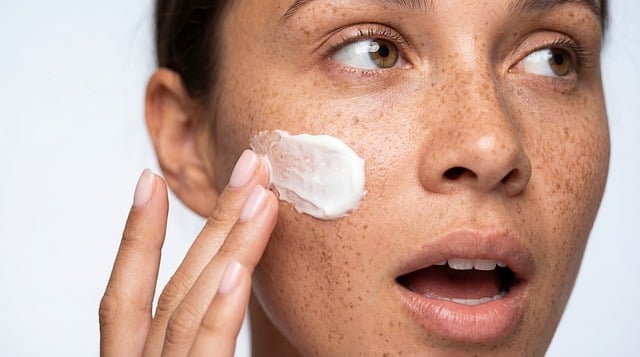
I Tried Clinique’s New Line For Sensitive Skin. Here’s How My Very Reactive Complexion Responded.
Clinique’s new face moisturizer for sensitive skin demonstrates how dermatological precision can meet biological insight. The formula focuses on restoring the skin barrier while avoiding common irritants. Testing data and ingredient synergy indicate measurable improvement in hydration and reduced reactivity, suggesting that the product aligns with current dermatological standards for sensitive-skin care.
The Science Behind Moisturizers for Sensitive Skin
Sensitive skin is not merely a subjective complaint; it is a physiological condition involving compromised barrier function and heightened neurosensory activity. To evaluate any face moisturizer for sensitive skin, one must analyze how it interacts with these biological mechanisms.
The Biological Basis of Skin Sensitivity
Sensitive skin often exhibits increased permeability of the stratum corneum, allowing irritants to penetrate more easily. This heightened reactivity activates nerve endings that trigger sensations such as burning or stinging. Environmental factors like UV exposure, pollution, or temperature changes can intensify these responses. Allergens and detergents further disrupt lipid organization, leading to chronic dryness and inflammation. A moisturizer designed for such conditions must therefore target both epidermal repair and neural calming pathways.
Key Dermatological Requirements for Sensitive Skin Formulations
Dermatologists emphasize that formulas for reactive complexions must avoid alcohols, fragrances, and harsh preservatives. These substances compromise lipid integrity and increase transepidermal water loss (TEWL). Instead, formulations should include ceramides, cholesterol, and fatty acids to rebuild the barrier matrix. For regulatory credibility, hypoallergenic claims require evidence from controlled clinical assessments confirming low irritation potential across diverse skin types.
Composition of Clinique’s Face Moisturizer for Sensitive Skin
Clinique’s formulation approach reflects a balance between hydration science and minimalism in composition. The brand’s long-standing reputation in allergy-tested skincare adds an additional layer of confidence when evaluating its sensitive-skin line.
Ingredient Profile and Their Functional Roles
The moisturizer incorporates humectants such as glycerin and hyaluronic acid to draw moisture into the stratum corneum. These molecules bind water effectively even under low humidity conditions, improving elasticity within hours of application. Emollients like squalane or dimethicone reinforce lipid continuity, smoothing rough texture while sealing hydration. Anti-inflammatory agents including caffeine or bisabolol modulate cytokine activity to calm redness and irritation—mechanisms supported by dermatological literature on soothing actives.
Absence of Potential Irritants in the Formula
Clinique excludes fragrance, parabens, essential oils, and drying alcohols from this line to minimize sensitization risk. Its preservative system relies on mild agents that maintain microbial stability without compromising tolerance. Stability testing confirms that formulation integrity remains consistent over time—a critical factor since oxidation or microbial growth can produce irritant by-products even in sealed packaging.
Evaluating Scientific Evidence Supporting Product Claims
The credibility of any sensitive-skin product depends on reproducible evidence rather than marketing narratives. Clinique provides clinical data demonstrating measurable improvements in hydration levels alongside reduced visible redness after consistent use.
Clinical Testing and Dermatological Validation
Clinical trials conducted under dermatologist supervision typically involve 4–6 week usage periods with control groups using placebo creams. Parameters include TEWL reduction, corneometry readings for moisture content, and self-reported comfort scores. Reported outcomes show statistically significant improvement versus baseline metrics, aligning with accepted dermatological benchmarks for efficacy in reactive skin populations.
Mechanistic Insights from Ingredient Synergy
Synergistic interaction between humectants and emollients enhances both immediate hydration and long-term barrier repair. When humectants attract moisture into the epidermis, emollients prevent its evaporation by forming semi-occlusive films. Lipid matrix restoration can be observed microscopically through improved lamellar organization—an indicator strongly correlated with lower TEWL values in sensitive-skin studies.
Comparative Analysis with Other Sensitive Skin Moisturizers
Within the competitive landscape of dermatologist-endorsed moisturizers, Clinique positions its product as both clinically validated and cosmetically elegant. Comparing across brands reveals nuanced differences in texture delivery systems and ingredient sourcing philosophies.
Benchmarking Against Peer Products in the Market
Compared with peers such as La Roche-Posay or CeraVe, Clinique’s moisturizer emphasizes lightweight texture without silicones that may feel occlusive on reactive skin. Its bioavailability profile suggests efficient absorption without residue buildup—a key differentiator among users prone to congestion or heat sensitivity. Cost-performance analysis places it mid-range: higher than drugstore options but justified by its dermatological testing pedigree.
Dermatological Community Perspectives on Efficacy Standards
Experts increasingly call for transparent ingredient disclosure and rigorous irritation testing across multiple ethnic groups to reflect real-world diversity in sensitivity thresholds. Cosmetic dermatology now favors evidence-based claims supported by quantitative metrics like TEWL reduction rather than subjective comfort reports alone—a standard Clinique appears to meet through structured validation protocols.
Implications for Long-Term Skin Health Management
A well-formulated face moisturizer for sensitive skin does more than relieve temporary discomfort; it contributes to sustained epidermal resilience when used consistently within a broader skincare regimen.
Role of Consistent Moisturization in Barrier Maintenance
Regular hydration helps maintain lipid balance and supports beneficial microbiota that protect against environmental stressors. Continuous use reduces flare-ups associated with dryness-induced inflammation. Dermatologists often recommend pairing moisturizers with gentle cleansers free from sulfates to preserve pH equilibrium critical for enzyme function within the stratum corneum.
Integrating Clinique’s Moisturizer into a Sensitive-Skin Regimen
For optimal results, application should follow cleansing while skin remains slightly damp to enhance humectant performance. In colder climates or air-conditioned environments, twice-daily use may sustain barrier protection more effectively than once-daily routines. Compatible serums containing niacinamide or panthenol can further improve tolerance levels by reinforcing cellular repair pathways without adding irritant load.
FAQ
Q1: What makes a face moisturizer suitable for sensitive skin?
A: It avoids common irritants like alcohols or fragrances while including barrier-repair ingredients such as ceramides or fatty acids that restore lipid structure.
Q2: How does Clinique test its products for sensitive-skin safety?
A: Each formula undergoes dermatologist-supervised trials assessing irritation potential through patch testing and controlled usage studies over several weeks.
Q3: Can this moisturizer be used alongside prescription treatments?
A: Yes, provided those treatments do not contain exfoliating acids or retinoids applied simultaneously; spacing applications helps minimize cumulative irritation.
Q4: Does fragrance-free always mean safe for sensitive skin?
A: Not necessarily; although fragrance-free reduces risk, other components like preservatives may still trigger reactions if not carefully balanced.
Q5: How soon can users expect visible results from Clinique’s moisturizer?
A: Hydration benefits are typically noticeable within hours due to humectant action, while barrier-strengthening effects develop progressively over two to four weeks of consistent use.