Can Skin Barrier Repair Really Work without Expensive Products?

Can Skin Barrier Repair Really Work without Expensive Products?
Skin barrier repair can sound like a fancy project, but most of the work is basic: less stripping, more moisture, and fewer products fighting each other. If your face burns after a normal moisturizer, feels tight by lunch, or turns red after cleansing, your routine may need a reset before it needs another serum. For more plain-English skincare basics, the Skincare 101 section is a useful place to build from.
The good news: you do not need a shelf full of products. You need a short routine that gives your outer skin layer time to calm down. A boring routine can feel almost too simple, especially if you like trying new textures, but boring is often exactly what irritated skin is asking for.

Why Does Skin Barrier Repair Matter So Much?
Your skin barrier is not a trend word. It is the working surface that helps hold water in and keeps many daily irritants out. When that surface is stressed, even a product you once liked can suddenly sting.
The Outer Layer That Keeps Water In
The barrier mainly sits in the stratum corneum, the very top layer of your skin. Think of it as flat cells packed with lipids between them. When that lipid seal is steady, skin feels smoother, loses less water, and handles normal skincare with less drama.
The Data behind Barrier Stress
Here is the background: atopic dermatitis is not the same as one dry patch, but it shows why the barrier matters. A 2024 National Eczema Association factsheet reports about 16.5 million U.S. adults and 9.6 million U.S. children with atopic dermatitis, and lists a weakened skin barrier as one contributing factor. The conclusion is clear: barrier care is real skin health work, not just cosmetic fuss.
The Signs You Feel First
Damaged barrier signs often show up as dryness, flaking, itch, rough patches, tenderness, and stinging when you apply skincare. Cleveland Clinic also points to inflammation, sensitivity, and infection risk as signs worth taking seriously. If stinging becomes your daily normal, it is time to simplify.
What Damages Your Skin Barrier Most Often?
Barrier damage is usually not caused by one dramatic mistake. More often, it comes from repeated small hits: hot water, strong cleanser, aggressive exfoliation, and too many active ingredients in the same week.
Hot Water and Long Showers
Hot water feels great, especially after a long day, but it can pull away natural oils and leave skin tight. Mayo Clinic advises keeping baths and showers to 10 minutes or less, using warm rather than hot water, patting dry, and applying moisturizer while skin is still damp. That small timing detail matters.
Harsh Cleansers and Scrubbing
If your cleanser leaves your face squeaky, it may be cleaning too hard. Foamy is not automatically bad, but tightness after rinsing is a useful warning. Washcloths, cleansing brushes, and rough towels can add friction, which is the last thing a weak barrier needs.
Too Many Actives at Once
Retinoids, exfoliating acids, vitamin C, benzoyl peroxide, and acne treatments can all be useful. The problem starts when you stack them nightly on irritated skin. During repair, pause the strong extras. Your skin can deal with them later, after the burning and tightness calm down.
Which Ingredients Help Skin Barrier Repair?
A good repair routine is not about chasing one miracle ingredient. Look for formulas that bring water into the skin, soften rough areas, and slow water loss. The product should also feel comfortable after five minutes, not just during application.
Ceramides, Cholesterol, and Fatty Acids
Background: the barrier depends on lipids between skin cells, not just surface oil. A PubMed-indexed lipid review describes stratum corneum extracellular lipids as roughly 50% ceramides, 25% cholesterol, and 15% free fatty acids. The practical conclusion: a moisturizer with barrier lipids often makes more sense than a water-light gel when skin is cracked or stinging.
Glycerin, Hyaluronic Acid, and Urea
Humectants such as glycerin and hyaluronic acid help attract water. Urea can also support moisture, though higher percentages may feel too strong on freshly irritated skin. If your barrier is very reactive, start with a plain fragrance-free cream before adding more specialized ingredients.
Niacinamide and Panthenol
Niacinamide and panthenol are common in barrier-focused formulas because they tend to pair well with moisturizers. Still, more is not always better. If a 10% niacinamide serum makes your cheeks hot, do not force it. A lower amount inside a cream may be easier to tolerate.
- Choose fragrance-free if your skin is stinging or itchy.
- Pick cream or ointment textures for dry, rough, or flaky areas.
- Patch test new products on a small area for a few nights.
What Should Your Morning Routine Look Like?
Morning skincare should protect your barrier from the day ahead. Keep it short. The goal is comfortable skin, not a glossy routine that needs 25 minutes and a perfect bathroom mirror setup.
Gentle Cleansing or a Simple Rinse
If you wake up oily or used a thick ointment overnight, use a gentle cleanser. If your skin is very dry, a rinse with lukewarm water may be enough. Avoid scrubbing around the nose and mouth, where barrier cracks often show first.
Moisturizer on Damp Skin
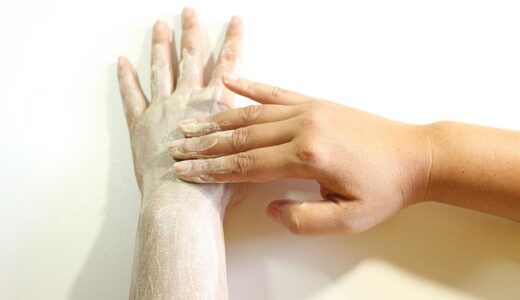
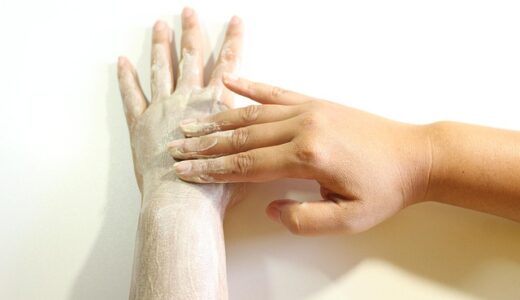
Apply moisturizer while your skin is slightly damp, not dripping. This helps trap water at the surface. For oily skin, use a light lotion or gel-cream. For dry skin, a richer cream usually performs better. For rough hands, ointment at night can be a game changer.
Broad-Spectrum Sunscreen Every Day
UV exposure can keep skin looking red, uneven, and stressed. The American Academy of Dermatology recommends choosing sunscreen labeled broad spectrum, SPF 30 or higher, and water resistant. The conclusion is simple: the best barrier routine still needs daily sun protection, even when the rest of the routine is minimal.
What Should Your Night Routine Look Like?
Night is when you can be a little more cushiony with texture. You do not need ten steps. You need to remove the day, replace comfort, and let skin sit without another round of irritation.
A Low-Friction Cleanse
Use your fingertips, not a rough cloth. Massage gently, rinse well, and stop. If sunscreen or makeup is hard to remove, use a gentle first cleanse, then a mild second cleanse only where needed. More rubbing is not better cleansing.
A Cream or Ointment Layer
After cleansing, apply a cream with humectants and lipids. If certain spots are cracked, add a thin ointment layer on top. This is especially useful around the mouth, cheeks, or hands. It may look shiny, yes, but sleep is not a photoshoot.
A Pause on Strong Actives
For one to two weeks, skip exfoliating acids, retinoids, scrubs, strong peels, and fragranced masks. If you use a prescription acne or eczema treatment, follow your clinician’s directions rather than stopping on your own. Medical skin conditions need medical advice, not internet guesswork.
How Long Does Skin Barrier Repair Take?
No reliable public data proves that every damaged skin barrier heals in exactly seven days. Skin type, climate, product history, medication use, and existing conditions all change the timeline. A safer approach is to track comfort, not chase a deadline.
First 72 Hours of Calming
In the first three days, your goal is less burning and less tightness. Keep cleanser mild, moisturize often, and avoid experimenting. If skin feels calmer after a few days, that is a useful signal, even if flakes are still visible.
Two to Four Weeks of Consistency
Many people need a few weeks of a steady routine before skin feels reliably stronger. During this time, add nothing new unless necessary. A notebook note helps: cleanser, moisturizer, sunscreen, stinging level, and any flare triggers. It sounds old-school, but it works.
When to See a Dermatologist
Book professional care if you have open cracks, bleeding, pus, spreading redness, severe itch, swelling, or sleep loss. Also get help if suspected eczema, rosacea, psoriasis, or acne is driving the problem. Barrier repair can support treatment, but it does not replace diagnosis.
FAQ
Q1: Can Skin Barrier Repair Fix Acne? A: It can help reduce irritation from acne routines, but it is not a full acne treatment. If breakouts are inflamed, painful, or leaving marks, use barrier-friendly care alongside dermatologist guidance.
Q2: Should You Stop Washing Your Face? A: No. Cleanse gently and only as much as needed. Many people do well with a mild night cleanse and a simple morning rinse, but sunscreen, sweat, and makeup still need proper removal.
Q3: Are Ceramides Always Necessary? A: Not always, but they are useful for many dry or stressed barriers. If your skin likes a plain glycerin-rich cream better, that is fine. Comfort and consistency matter more than ingredient hype.
Q4: Can Oily Skin Have a Damaged Barrier? A: Yes. Oily skin can still feel tight, sting, peel, or turn red. Choose lighter moisturizers, avoid harsh stripping, and keep sunscreen in the routine.
Q5: What Is the Biggest Mistake during Skin Barrier Repair? A: The biggest mistake is adding new active products too soon. When skin starts to feel better, keep the simple routine for a bit longer before reintroducing retinoids, acids, or strong treatments one at a time.