How Often Can You Exfoliate Your Face Without Damaging the Skin Barrier
Are You Over-Exfoliating Your Skin? Common Mistakes People Make With Acne-Prone Skin
Exfoliation can transform acne-prone skin when done correctly, yet it’s also one of the easiest steps to overdo. Many professionals agree that excessive exfoliation weakens the skin barrier, causing redness, flaking, and even more breakouts. The key lies in understanding how often can you exfoliate your face based on skin type and condition. For oily or acne-prone complexions, moderation is essential—too frequent exfoliation strips protective lipids and triggers inflammation. The right balance supports cell renewal without compromising barrier function.
The Role of Exfoliation in Skin Health
Healthy skin depends on a continuous process of renewal. Exfoliation enhances this cycle by removing dead cells, but overuse can disrupt equilibrium between regeneration and protection.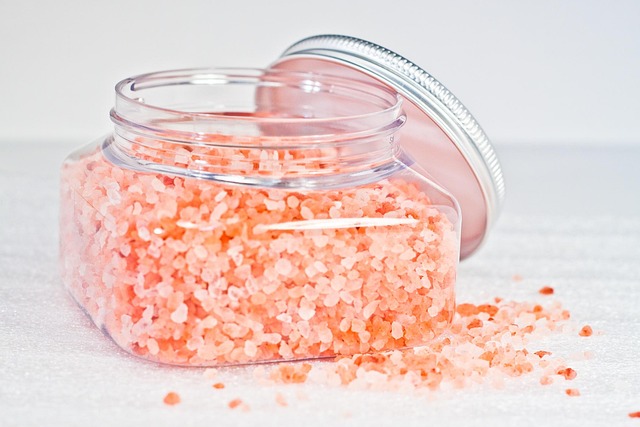
The Science Behind Skin Cell Turnover
The epidermis constantly renews itself through keratinocyte formation and desquamation. These processes maintain vitality and texture uniformity. Exfoliation accelerates corneocyte removal from the stratum corneum, revealing newer cells underneath. However, this intervention must respect the skin’s natural rhythm. When exfoliation exceeds recovery capacity, lipid synthesis falters, leading to dehydration and irritation. Maintaining a balance between exfoliation and barrier repair ensures homeostasis—a principle supported by dermatological research on epidermal physiology.
Types of Exfoliation: Chemical vs. Physical
Chemical exfoliants like AHAs (glycolic acid), BHAs (salicylic acid), and PHAs act by dissolving intercellular bonds between dead cells. They penetrate at varying depths depending on molecular size and pH level. Physical exfoliants rely on manual friction through scrubs or brushes to slough off debris mechanically. Each method suits different goals: chemical options refine texture for oily or congested pores, while physical methods serve thicker or less reactive skin types. Selecting an approach aligned with sensitivity prevents microtears or post-inflammatory flare-ups.
Determining Optimal Exfoliation Frequency
Finding the right frequency requires evaluating intrinsic factors such as oil production and extrinsic ones like climate or concurrent actives.
Factors Influencing Exfoliation Tolerance
Skin type dictates tolerance limits—oily skin withstands acids better than dry or sensitive types. Environmental stressors including humidity shifts or pollution affect barrier resilience by altering lipid composition. Combining exfoliants with retinoids or other acids amplifies irritation risk because both accelerate turnover. Professionals often recommend alternating nights or buffering with hydrating serums to maintain comfort.
Recommended Frequency by Skin Type
For Oily and Acne-Prone Skin
Moderate chemical exfoliation two to three times weekly regulates sebum flow and unclogs pores effectively. Yet daily use may provoke rebound oil production as sebaceous glands attempt to compensate for lost moisture, potentially worsening acne inflammation.
For Dry or Sensitive Skin
Gentle enzymatic formulations or low-concentration acids once weekly suffice for fragile barriers. Pairing these with ceramide-rich moisturizers helps replenish lipids stripped during exfoliation, minimizing stinging sensations common in reactive complexions.
Recognizing Signs of Over-Exfoliation
Even seasoned skincare users sometimes misjudge intensity levels. Identifying early warning signs prevents chronic barrier impairment.
Clinical Indicators of Barrier Impairment
Persistent redness, tightness after cleansing, or a burning sensation upon product application signal lipid disruption within the stratum corneum. Increased transepidermal water loss (TEWL) indicates compromised integrity measurable through corneometry tests used in clinical settings. Secondary eruptions resembling acne may appear as the skin mounts a protective inflammatory response.
Biochemical Impact on the Skin Barrier
Over-exfoliated skin exhibits reduced ceramide synthesis and diminished natural moisturizing factor (NMF) content—both essential for hydration retention. Additionally, microbiome imbalance arises when beneficial flora decline, heightening susceptibility to irritation and infection.
Strategies to Protect and Restore the Skin Barrier Post-Exfoliation
Recovery care focuses on restoring lipids and calming inflammation while maintaining hydration balance suitable for each skin type.
Incorporating Barrier-Reinforcing Ingredients
Key Components for Recovery Formulations
Ceramides rebuild structural cohesion within the lipid matrix of the stratum corneum, improving elasticity over time. Niacinamide supports epidermal differentiation while reducing TEWL through enhanced protein synthesis pathways. Panthenol and allantoin soothe inflamed tissue by accelerating epithelial repair—a combination often seen in post-procedure formulations favored by dermatologists.
Optimal Use of Moisturizers for Oily Skin Types
Selecting an Effective Oily Face Moisturizer
For acne-prone individuals seeking how often can you exfoliate your face safely, pairing treatments with an oily face moisturizer is crucial. Lightweight emulsions labeled non-comedogenic provide moisture without clogging pores. Humectants like glycerin attract water molecules into deeper layers while maintaining balanced oil-water ratios typical of sebaceous-rich zones such as the T-zone. Silicone-based textures create breathable occlusion that prevents dehydration without greasy residue—a practical solution for humid climates where heavy creams overwhelm pores.
Integrating Exfoliation Into a Professional Skincare Regimen
Professional routines require precision layering of actives to sustain long-term barrier health alongside visible results.
Combining Exfoliants With Other Active Ingredients Safely
Sequential use with retinoids should be spaced at least 24 hours apart to reduce irritation synergy caused by overlapping turnover stimulation. Buffering acids with hydrating serums rich in hyaluronic acid mitigates potential dryness following chemical peels or at-home treatments.
Monitoring Long-Term Effects on Barrier Function
Regular hydration assessments using corneometers help gauge whether current frequency supports sustainable results without compromising integrity. Seasonal adjustments are equally vital; colder months demand fewer exfoliating sessions due to reduced sebum output while summer humidity allows slightly higher tolerance levels.
FAQ
Q1: How often can you exfoliate your face if it’s acne-prone?
A: Two to three times per week using mild chemical agents like salicylic acid is generally effective without overstripping natural oils.
Q2: What are early signs of over-exfoliation?
A: Redness, stinging after applying moisturizer, increased flaking, and sudden sensitivity indicate barrier distress.
Q3: Can an oily face moisturizer prevent post-exfoliation dryness?
A: Yes, lightweight non-comedogenic formulas containing humectants such as glycerin maintain hydration without clogging pores.
Q4: Should physical scrubs be avoided on sensitive skin?
A: Yes, mechanical abrasives can cause microtears; enzymatic alternatives are safer for delicate complexions.
Q5: How long does it take for an over-exfoliated barrier to recover?
A: Typically one to two weeks with consistent use of ceramide-rich moisturizers and suspension of active acids until stability returns.