Is Your Face Care Routine For Oily Skin Scientifically Optimized

Oily Skin Care That Actually Works for You
Oily skin is not a flaw but a biological variation that requires precision in care. The key lies in regulating sebum production without stripping the skin’s natural barrier. A scientifically balanced face care routine for oily skin should integrate pH-adjusted cleansers, controlled exfoliation, and non-comedogenic hydration. When combined with data-driven monitoring and chemical dose rate calculator tools, these measures achieve consistent seboregulation and barrier repair. This article explores how to design such a system based on dermatological science and environmental adaptation.
Understanding the Science Behind Oily Skin
Oily skin originates from complex physiological processes involving hormones, genetics, and environmental triggers. To manage it effectively, one must examine how these factors shape sebum behavior and differentiate oily skin from other types.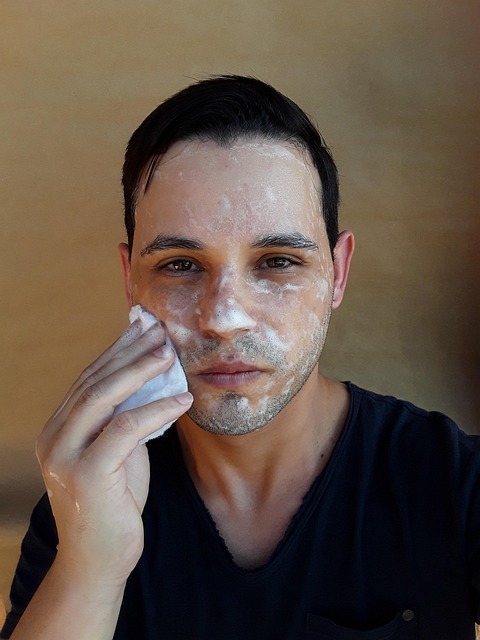
The Biological Mechanisms of Sebum Production
Sebaceous glands are responsible for secreting sebum, a lipid-rich substance that lubricates the skin surface. Hormones such as androgens increase gland activity, while genetic predisposition influences gland size and density. The lipid composition of sebum—mainly triglycerides, wax esters, and squalene—plays a vital role in maintaining the skin’s barrier integrity and microbial balance. Environmental factors like humidity or diet can further alter this secretion rate by modulating enzymatic activity within sebocytes.
How Oily Skin Differs from Other Skin Types
Compared to dry or normal skin, oily skin exhibits higher sebum output that shifts the surface pH toward alkalinity. This change affects microbiota diversity, often favoring lipophilic bacteria such as Cutibacterium acnes. Pore size tends to be visibly larger due to accumulated surface lipids that thicken the film layer. Moreover, epidermal turnover rates determine how evenly oil spreads across facial zones—especially the T-zone—leading to uneven shine patterns.
Designing a Scientifically Balanced Face Care Routine for Oily Skin
A well-structured face care routine for oily skin should address cleansing balance, exfoliation control, and hydration stability. Each step interacts with biochemical pathways that govern oil regulation.
The Role of Cleansing Agents in Oil Regulation
Cleansers containing mild surfactants help remove excess lipids without compromising the acid mantle. A pH between 4.5 and 5.5 maintains microbial equilibrium while minimizing irritation. Over-cleansing is counterproductive; when lipid levels drop too low, sebaceous glands respond with compensatory overproduction of oil. Dermatological studies have shown that twice-daily cleansing is sufficient under most conditions.
Exfoliation Strategies Based on Skin Physiology
Exfoliation should promote natural desquamation rather than mechanical abrasion. Beta-hydroxy acids (BHAs), particularly salicylic acid, penetrate lipid layers efficiently to dissolve clogged pores and reduce comedone formation. However, concentration must align with individual sebaceous activity; excessive use may disrupt corneocyte cohesion and trigger inflammation instead of clarity.
Hydration and Barrier Repair Mechanisms
Hydration remains essential even for oily complexions. Lightweight humectants like glycerin or hyaluronic acid attract water molecules without occlusion. Non-comedogenic occlusives prevent follicular blockage while locking moisture within deeper layers. Ceramide-based formulations strengthen intercellular lipids in the stratum corneum, reducing transepidermal water loss (TEWL) often associated with over-cleansing routines.
Chemical Optimization in Oily Skin Treatments
Precision chemistry underpins effective skincare formulation. Using analytical tools improves dosage accuracy and minimizes unwanted reactions between actives.
Applying a Chemical Dose Rate Calculator for Formulation Precision
The chemical dose rate calculator allows formulators to quantify active ingredient concentrations precisely. This ensures therapeutic efficacy while avoiding irritation thresholds common with acids or retinoids. Dose-response modeling helps determine optimal levels for salicylic acid or niacinamide—typically between 0.5% and 2% depending on tolerance—to achieve maximum seboregulation with minimal cytotoxicity.
Evaluating the Interactions Between Active Compounds
Active compounds often exhibit synergistic effects when properly combined. Retinoids paired with exfoliants enhance cellular renewal but require buffering systems to stabilize pH-dependent reactions. Incorporating antioxidants such as vitamin E mitigates oxidative stress caused by lipid peroxidation—a frequent issue in oily skin exposed to pollution or UV light.
Monitoring and Adjusting the Routine Through Data Analysis
Modern skincare increasingly relies on measurable outcomes rather than subjective impressions. Quantitative tracking helps refine product combinations over time.
Biomarker-Based Assessment of Sebum Control Effectiveness
Dermatologists measure TEWL and sebumeter readings to evaluate improvements in barrier function after treatment cycles. Regular monitoring identifies early signs of irritation or imbalance in lipid synthesis before visible breakouts occur. Adjusting concentrations based on these metrics sustains long-term equilibrium between hydration and oil control.
Integrating Digital Tools for Personalized Routine Optimization
AI-driven platforms now interpret real-time facial imaging data to map oil distribution across zones like forehead or chin areas. Predictive algorithms then recommend ingredient ratios tailored to user-specific parameters such as age or environment exposure level. Continuous feedback loops improve adherence by adjusting formulas dynamically according to observed results.
Environmental and Lifestyle Factors Influencing Oily Skin Response
Even the most advanced skincare system can falter if external conditions remain unaddressed. Climate variations, diet patterns, and stress hormones all influence sebaceous behavior.
Impact of Climate, Diet, and Stress on Sebum Dynamics
High humidity environments amplify sebum flow as part of thermoregulation; conversely, cold dry air may thicken oils leading to congestion. Diets rich in dairy products or high-glycemic foods correlate with increased lipid synthesis through insulin-like growth factor stimulation pathways documented in dermatology journals. Chronic stress elevates cortisol levels which indirectly activate sebaceous glands via androgen receptors.
Strategies to Mitigate External Triggers in Routine Design
Adaptive routines compensate for environmental fluctuations by modifying hydration intensity seasonally—lighter emulsions during summer months and more ceramide-rich formulas during winter transitions. Antioxidant-rich skincare neutralizes free radicals from urban pollution while behavioral changes like limiting cleansing frequency prevent rebound oiliness caused by over-stimulation of glands.
FAQ
Q1: How often should someone with oily skin cleanse their face?
A: Twice daily is generally recommended; excessive washing can trigger more oil production due to barrier disruption.
Q2: Are oils completely bad for oily skin?
A: Not necessarily; certain non-comedogenic oils like squalane mimic natural sebum composition without clogging pores.
Q3: Can diet changes really reduce oiliness?
A: Yes, reducing high-glycemic foods may lower insulin spikes that stimulate sebaceous activity.
Q4: Is exfoliating every day safe for oily skin?
A: No; two to three times weekly is sufficient depending on tolerance level and product strength.
Q5: What type of moisturizer works best?
A: Lightweight gel-based moisturizers containing humectants like glycerin maintain hydration without adding excess grease.