Can Oily Face Moisturizer Truly Support Acne-Prone Skin Without Clogging Pores
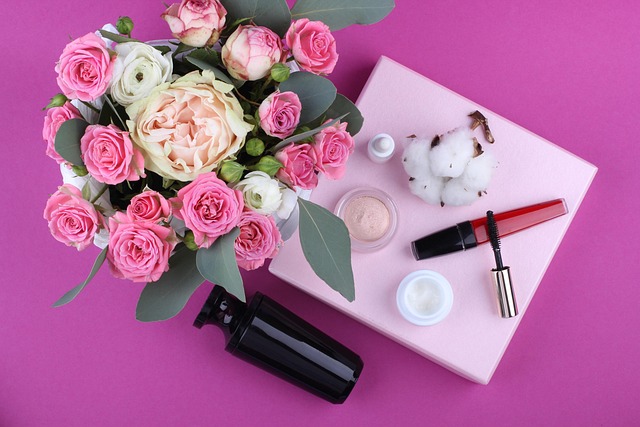
These 6 Non-Greasy Moisturisers for Acne-Prone Skin Let Your Skin Breathe Without Clogging Pores
Oily and acne-prone skin often sits at the crossroads of imbalance: too much sebum, yet paradoxically dehydrated. The right oily face moisturizer can restore equilibrium without suffocating pores. Modern formulations now combine lightweight hydration with sebum-regulating ingredients, allowing the skin to breathe freely. Dermatological research shows that proper moisturization supports barrier repair, reduces inflammation, and even enhances the efficacy of acne treatments. The key lies in selecting non-greasy, non-comedogenic products that hydrate while managing oil output—creating a smoother, clearer complexion over time.
The Relationship Between Oily Skin and Acne
Excess oil production is not inherently harmful; it’s a natural function of the sebaceous glands. However, when hormonal fluctuations or environmental stressors disrupt this balance, oily skin can become a breeding ground for acne-causing bacteria. To manage this condition effectively, one must first grasp how sebum interacts with other elements on the skin’s surface.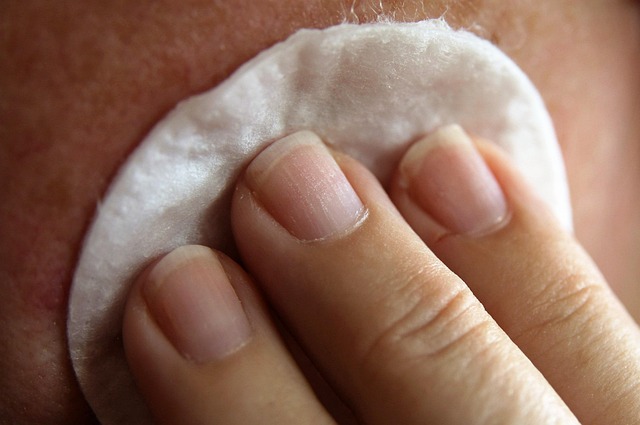
The Biological Basis of Oily Skin
Sebum is produced by sebaceous glands located deep within hair follicles. Its secretion is heavily influenced by androgens—hormones that increase during puberty and stress. These glands maintain the skin’s barrier by keeping it lubricated and flexible. Yet many assume oily skin doesn’t need hydration, which is a misconception; stripping oils with harsh cleansers only signals the glands to produce more sebum.
How Excess Oil Contributes to Acne Formation
When surplus sebum mixes with dead cells, it forms plugs inside pores. This anaerobic environment favors bacterial proliferation, particularly Cutibacterium acnes. The result is inflammation leading to papules or pustules. Urban pollution and humidity further aggravate oil activity, making regular cleansing and balanced moisturization essential.
Environmental and Lifestyle Factors That Exacerbate Oil Production
Dietary choices high in refined carbohydrates can spike insulin levels, indirectly stimulating sebum synthesis. Likewise, irregular sleep patterns elevate cortisol—a stress hormone linked to increased oiliness. Even frequent touching of the face transfers microbes that worsen congestion.
The Role of Moisturizers in Managing Oily and Acne-Prone Skin
Many professionals once advised against moisturizing oily skin. Today’s evidence contradicts that view: water loss from an impaired barrier can intensify oil production as the body tries to compensate.
Why Moisturizing Is Essential Even for Oily Skin
When the epidermis becomes dehydrated, sebaceous glands react defensively by secreting more oil. A well-formulated moisturizer replenishes water content while signaling the glands to slow down. It also soothes irritation caused by active acne treatments like benzoyl peroxide or retinoids.
Key Characteristics of an Effective Oily Face Moisturizer
An ideal oily face moisturizer feels weightless yet hydrating. It should be labeled non-comedogenic and quick-absorbing to prevent residue buildup. Ingredients such as hyaluronic acid or glycerin draw moisture without adding shine, while silicones or dimethicone create a breathable film that smooths texture.
Compatibility With Active Acne Treatments
Formulas must complement actives rather than compete with them. For example, pairing niacinamide-based moisturizers with retinoids helps reduce redness while supporting barrier recovery.
Formulation Science Behind Non-Greasy Moisturizers
The science behind these products lies in balancing hydration mechanisms without occluding pores. Each class of ingredient—humectant, emollient, occlusive—plays a distinct role in achieving this harmony.
The Role of Humectants, Emollients, and Occlusives in Product Design
Humectants like glycerin or hyaluronic acid attract water molecules into the outer layer of skin. Emollients such as squalane or esters fill micro-cracks for smoother texture without heaviness. Meanwhile, selective occlusives like dimethicone prevent transepidermal water loss but remain breathable enough for acne-prone users.
Ingredient Technologies That Support Acne-Prone Skin Health
Recent advances emphasize synergy between hydration and oil control rather than treating them separately.
Hydrating Components That Do Not Add Shine
Hyaluronic acid binds up to 1,000 times its weight in water yet leaves no greasy trace. Panthenol calms irritation while reinforcing lipid structures crucial for resilience against external irritants.
Balancing Agents That Regulate Sebum Production
Niacinamide acts as both anti-inflammatory and sebum regulator by modulating keratinocyte differentiation. Zinc PCA offers antimicrobial benefits alongside normalization of excess oil secretion—an especially useful combination for congested T-zones.
Anti-Inflammatory and Antioxidant Additives
Green tea extract provides polyphenols that neutralize oxidative stress common around acne lesions. Centella asiatica extract aids wound healing by promoting collagen synthesis while soothing redness from topical actives.
Evaluating the Non-Comedogenic Claim in Moisturizers
Consumers often rely on “non-comedogenic” labels without realizing their variability across testing standards.
Understanding Comedogenic Ratings and Testing Methods
Laboratory assessments typically involve applying ingredients on animal models or human volunteers under controlled conditions to observe pore blockage potential. However, results may differ depending on concentration and formulation context across skin types.
Real-World Performance Factors Influencing Pore Health
Climate affects how moisturizers behave; humid environments may amplify residue perception even if formulations are technically non-comedogenic. Layering skincare products like sunscreen or foundation can also alter overall pore response.
Integrating Oily Face Moisturizers Into Professional Skincare Protocols
In clinical settings or professional recommendations, personalization remains critical since not all oily skins share identical characteristics.
Optimizing Product Selection for Clinical Use or Recommendations
A dermatologist distinguishes between surface-level shine from dehydration versus true hyperseborrhea caused by hormonal triggers. Product choice should reflect concurrent therapies—gel-based moisturizers pair well with isotretinoin regimens due to their humectant-heavy composition.
Application Techniques to Maximize Efficacy Without Congestion Risk
Proper technique ensures product performance matches formulation intent.
Pre-Moisturizer Preparation Steps
Gentle cleansing using pH-balanced surfactants removes debris but preserves essential lipids vital for structural integrity.
Correct Usage Patterns
Applying thin layers onto slightly damp skin enhances absorption efficiency while avoiding residue accumulation that might mimic greasiness.
Future Directions in Oily Skin Moisturization Research
Innovation continues toward smarter delivery systems capable of adapting dynamically to individual needs rather than static formulas designed for general use.
Advances in Smart Formulations for Sebum Control and Barrier Repair
Emerging encapsulation technologies allow time-release hydration responsive to microclimate changes such as temperature or humidity shifts throughout the day. Bioadaptive compounds derived from marine algae show promise in modulating lipid synthesis over extended use periods.
Emerging Trends Linking Dermatological Science and Cosmetic Technology
Microbiome-supportive ingredients are gaining traction for maintaining healthy bacterial diversity within pores—a factor increasingly recognized as central to acne prevention. Artificial intelligence tools now assist formulators in predicting user-specific reactions based on genetic markers and lifestyle data sets collected through clinical trials.
FAQ
Q1: Can oily skin skip moisturizer?
A: No. Skipping moisturizer often worsens oiliness because dehydration triggers more sebum production as compensation.
Q2: What type of moisturizer suits acne-prone oily skin best?
A: Lightweight gels containing humectants like hyaluronic acid combined with niacinamide work well since they hydrate without clogging pores.
Q3: Are natural oils safe for oily complexions?
A: Some low-comedogenic oils such as squalane can be beneficial when used sparingly; heavy oils like coconut may block pores instead.
Q4: How often should one apply an oily face moisturizer?
A: Twice daily after cleansing is standard practice though frequency may vary depending on climate or concurrent treatments like retinoids.
Q5: Do non-greasy moisturizers help reduce breakouts?
A: Yes, consistent use maintains barrier health which indirectly lowers inflammation frequency leading to fewer active lesions over time.