What Makes Lotion for Oily Skin Essential in a 3-Step Barrier Routine
Your 3-Step Routine for a Stronger Skin Barrier
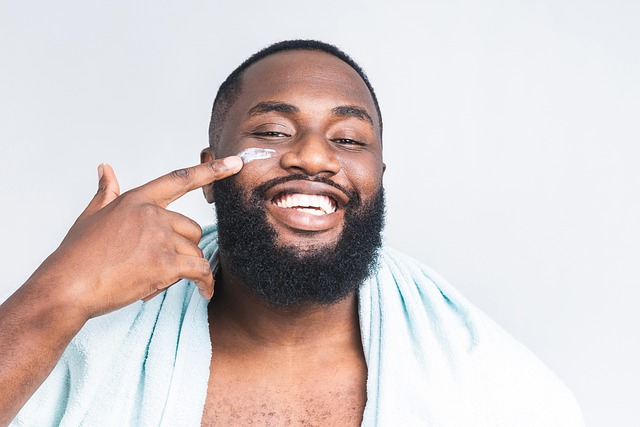
A resilient skin barrier is the foundation of healthy, balanced skin—even for those prone to excess oil. The right approach is not about stripping away sebum but reinforcing the barrier so it functions efficiently. A structured three-step routine using a lotion for oily skin can stabilize hydration, moderate sebum output, and strengthen the epidermal defense over time. This method aligns with dermatological principles emphasizing gentle cleansing, hydration layering, and barrier-supportive moisturization.
The Skin Barrier and Its Role in Oily Skin Health
The skin’s outermost layer operates as both shield and regulator. It maintains equilibrium between moisture retention and protection from external aggressors, which directly impacts oil production and surface texture.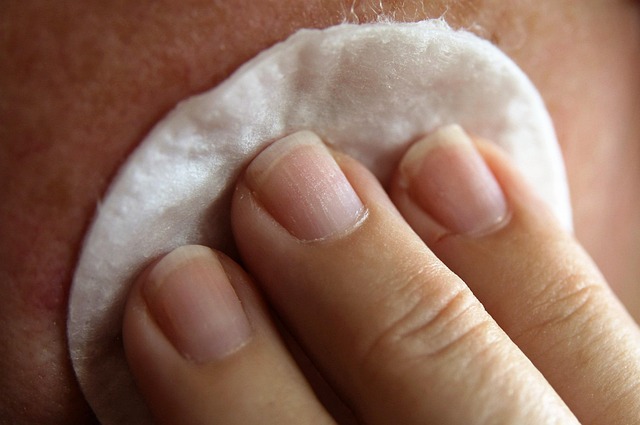
The Structure and Function of the Skin Barrier
The barrier primarily consists of lipids, corneocytes, and natural moisturizing factors that form a cohesive matrix maintaining hydration and defense. These components regulate transepidermal water loss (TEWL) while blocking pollutants and irritants. When this structure weakens—due to harsh cleansers or environmental stress—the skin compensates by producing more sebum, often leading to a greasy yet dehydrated complexion. This cycle underscores why restoring lipid balance is essential for oily skin health.
How Oily Skin Relates to Barrier Function
Oily skin reflects an imbalance rather than abundance. Excess sebum does not equal sufficient moisture; dehydration frequently coexists with oiliness. When the barrier lacks integrity, sebaceous glands overwork to compensate for lost hydration. Strengthening this barrier through targeted care helps normalize sebum activity, resulting in smoother texture and reduced shine.
The 3-Step Routine Framework for Strengthening the Skin Barrier
Barrier repair requires consistent care built around cleansing, hydration, and moisturization—each step supporting the next to maintain lipid balance without congestion.
Step 1: Gentle Cleansing Without Stripping Natural Oils
Cleansing sets the tone for barrier recovery. pH-balanced formulations remove debris while preserving essential lipids that sustain the acid mantle. Harsh surfactants disrupt this protective layer, leaving microfissures that invite irritation or microbial invasion. Mild hydrating cleansers containing humectants like glycerin or amino acids prepare the surface for subsequent hydration steps by maintaining suppleness rather than tightness after washing.
Step 2: Hydration Layer With Lightweight Formulations
Post-cleansing hydration replenishes water lost during washing. Lightweight toners or essences rich in humectants such as hyaluronic acid or panthenol draw moisture into deeper layers of the stratum corneum. This step also enhances absorption efficiency for any lotion applied afterward. Dermatologists often note that well-hydrated skin better tolerates active ingredients used in professional treatments.
Step 3: Moisturization With Lotion for Oily Skin
Selecting an appropriate lotion for oily skin completes the barrier routine. These emulsions deliver lipids and occlusives in balanced proportions that do not clog pores or feel greasy. They seal in hydration while supporting recovery of the intercellular lipid matrix—a process vital for long-term resilience. Modern formulations combine lightweight silicones or esters with ceramide complexes to maintain equilibrium between moisture retention and sebum regulation.
The Scientific Rationale Behind Lotion Use in Oily Skin Care
Scientific evaluation supports lotion use as central to balancing oil-water dynamics within the epidermis. Properly formulated lotions act as both hydrators and regulators of sebaceous activity.
The Dual Role of Lotion in Moisture Retention and Sebum Regulation
Dehydration often triggers compensatory oil production; thus, maintaining adequate moisture prevents this overreaction. Lotions create a breathable film that minimizes TEWL without suffocating pores. Over time, consistent use stabilizes epidermal lipid composition—reducing fluctuations that manifest as uneven sheen or congestion across oily zones like the T‑area.
Key Ingredients That Support Barrier Repair in Oily Skin Lotions
High-performance lotions rely on synergistic ingredient systems addressing water retention, surface softness, and structural repair.
Humectants for Water Retention
Glycerin, sodium PCA, and hyaluronic acid attract atmospheric moisture into upper layers of skin where it binds with keratin proteins to maintain elasticity.
Emollients for Surface Softness
Light emollients such as squalane or dimethicone smooth texture without heavy occlusion, giving oily skin a refined finish instead of tackiness.
Barrier-Reinforcing Agents
Ceramides combined with niacinamide or cholesterol rebuild intercellular lipid lamellae essential for resilience against external stressors like UV radiation or pollution exposure measured under ISO 24444 photoprotection standards.
Optimizing Lotion Application Within a Professional Skincare Protocol
Technique influences results as much as formulation choice. Proper timing ensures maximum integration of each product layer into the epidermal matrix.
Timing and Layering Techniques for Maximum Efficacy
Applying lotion immediately after hydrating steps locks in water molecules before evaporation occurs. Gentle patting motions preserve microbarrier integrity better than rubbing actions that may cause frictional damage. Adjusting product amount according to climate—less in humid conditions, slightly more during dry seasons—keeps balance consistent across varying environments.
Evaluating Product Compatibility With Other Actives
Professional regimens often include retinoids or exfoliating acids; pairing them with non‑comedogenic lotions prevents irritation while maintaining efficacy. Compatibility testing should confirm stable pH interaction so active compounds remain effective without compromising barrier function over repeated cycles of application.
Long-Term Benefits of Incorporating Lotion Into a Barrier Routine for Oily Skin
Regular use produces measurable improvements beyond immediate comfort—enhancing resistance against environmental challenges while refining visual appearance over months of adherence.
Enhanced Resilience Against Environmental Stressors
A fortified barrier reduces oxidative damage from particulate matter (PM2.5) exposure documented by environmental dermatology studies under WHO air quality frameworks. Balanced oil-water levels minimize inflammation pathways linked with acne-prone conditions common among oily complexions living in urban climates.
Improved Clinical Outcomes in Texture and Sebum Management
Clinical observations show smoother tactile quality, reduced surface shine, and fewer inflammatory lesions when barriers remain intact through consistent moisturizing routines using lotions tailored to oily profiles. Enhanced tolerance toward active agents such as retinoic acid further validates this maintenance approach within aesthetic dermatology practice guidelines issued by professional associations like the American Academy of Dermatology (AAD).
FAQ
Q1: Why does oily skin still need moisturizer?
A: Because excess sebum cannot replace water content within cells; moisturizing prevents dehydration that would otherwise trigger even more oil production.
Q2: How often should a lotion for oily skin be applied?
A: Twice daily—morning after cleansing and evening before rest—is typically sufficient unless clinical conditions require adjustment by a dermatologist.
Q3: Can using lotion worsen acne?
A: Non‑comedogenic formulations specifically designed for oily types will not clog pores; instead they help reduce breakouts by stabilizing surface conditions.
Q4: What signs indicate an impaired barrier?
A: Persistent tightness despite shine, increased sensitivity to products, or flaky patches along oily zones suggest compromised lipid structure needing restoration through consistent care.
Q5: Are mattifying lotions effective long term?
A: Yes if they balance oil control with hydration rather than only suppressing shine; formulas combining light silicones with humectants maintain lasting equilibrium without dullness.