Is Your Skin Routine for Dry Skin Effective in Managing Eczema vs Dry Skin
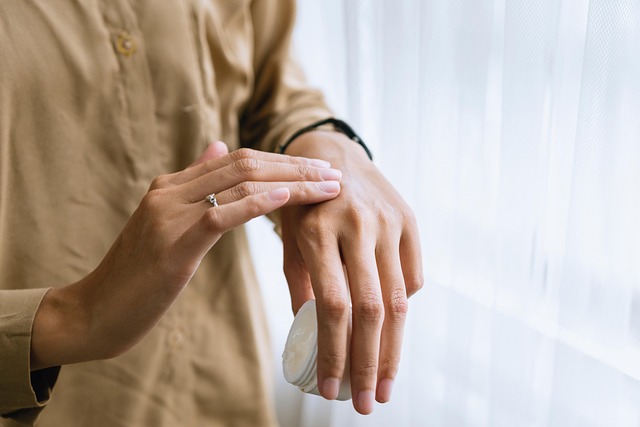
Eczema vs. Dry Skin: Which Is It?
Eczema and dry skin often appear similar, but their biological roots differ sharply. Eczema is a chronic inflammatory disorder driven by immune system dysregulation and barrier dysfunction, while dry skin, or xerosis, usually results from external dehydration or reduced oil production. A standard skin routine for dry skin can relieve surface dryness but may not control eczema’s deeper inflammatory processes. The distinction lies in the presence of inflammation, itch intensity, and lesion persistence—eczema demands targeted therapy beyond basic hydration.
Understanding the Difference Between Eczema and Dry Skin?
Although both conditions share visible dryness and scaling, their causes diverge at the cellular level. Recognizing these differences is essential for accurate diagnosis and effective care planning.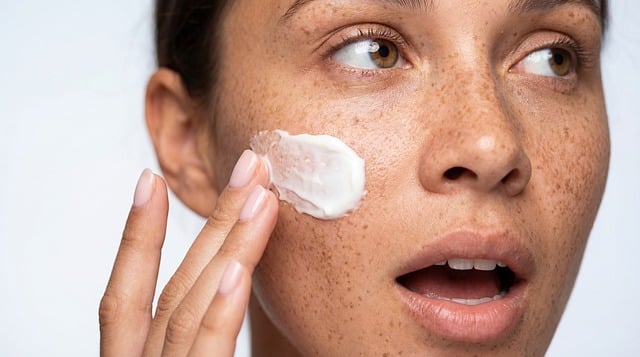
Defining Eczema and Its Underlying Mechanisms
Eczema, also known as atopic dermatitis, arises from a combination of genetic factors, immune imbalance, and environmental triggers. Barrier dysfunction allows irritants to penetrate more easily, setting off chronic inflammation that produces redness, itching, and thickened patches over time. This inflammatory cycle often involves cytokine overexpression and reduced filaggrin synthesis, weakening the skin’s protective layer. Patients with a family history of allergies or asthma frequently exhibit stronger susceptibility due to inherited immune tendencies.
Identifying the Characteristics of Simple Dry Skin
Dry skin lacks the immune-driven inflammation typical of eczema. It occurs when sebaceous glands produce insufficient lipids or when external conditions—cold weather, low humidity—strip moisture from the epidermis. Symptoms include flakiness, mild tightness after washing, and a dull surface texture without redness or swelling. Unlike eczema lesions that may ooze or crust during flare-ups, xerotic areas remain smooth but rough to touch. The issue is primarily mechanical: a compromised lipid film fails to retain water efficiently.
Key Diagnostic Indicators to Differentiate Both Conditions
Clinicians distinguish eczema from xerosis through lesion pattern and chronicity. Eczematous plaques often show lichenification from repeated scratching and well-defined inflammatory borders. In contrast, simple dryness presents diffuse scaling without color change or fissuring. History-taking is crucial; individuals reporting childhood atopy or allergic rhinitis are more likely to have eczema than isolated xerosis. Diagnostic confirmation may involve dermoscopy or patch testing when contact allergens are suspected.
Evaluating the Effectiveness of a Skin Routine for Dry Skin in Managing Eczema
A skin routine for dry skin focuses on replenishing lost moisture and restoring smoothness. However, when applied to eczema-prone skin, such routines may need refinement to address inflammation and barrier repair needs.
The Core Components of a Typical Dry Skin Routine
Standard regimens rely on gentle cleansing using non-stripping surfactants that maintain lipid balance. Moisturizers rich in ceramides, glycerin, or hyaluronic acid help bind water within the stratum corneum while reinforcing its structure. Regular application—especially post-shower—prevents transepidermal water loss (TEWL) by sealing microfissures created by dehydration.
How Standard Dry Skin Care May Fall Short for Eczema Management
While beneficial for mild dryness, generic moisturizers often lack ingredients that repair the disrupted lipid matrix seen in eczema patients. Without anti-inflammatory components such as niacinamide or colloidal oatmeal, subclinical inflammation can persist beneath hydrated skin layers. Moreover, fragrances and certain preservatives common in cosmetic products can aggravate sensitive areas by triggering irritant responses that extend flare duration.
Modifications Needed When Treating Eczema Instead of Simple Dryness
When caring for eczema-prone skin, formulations must go beyond hydration alone.
Incorporating Barrier Repair Formulations
Products combining physiological lipids—ceramides with cholesterol and fatty acids in balanced ratios—can rebuild structural integrity within weeks of consistent use. Occlusives like petrolatum form an external shield that dramatically reduces TEWL while allowing internal healing processes to stabilize lipid synthesis.
Integrating Anti-inflammatory and Microbiome-balancing Agents
Topical corticosteroids or calcineurin inhibitors prescribed under medical supervision quell acute inflammation effectively without systemic exposure risks. Additionally, prebiotic or postbiotic skincare supports microbial diversity restoration on affected sites where Staphylococcus aureus dominance commonly disrupts normal flora equilibrium.
The Role of Environmental and Lifestyle Factors in Both Conditions
External stressors often determine whether dryness remains superficial or evolves into chronic eczema flares. Environmental management thus complements topical care strategies.
Environmental Triggers Affecting Skin Hydration and Integrity
Low humidity accelerates moisture evaporation across all skin types but particularly harms those with compromised barriers. Frequent exposure to detergents or cleaning agents dissolves natural oils essential for cohesion between corneocytes. Even prolonged hot showers can worsen dehydration by stripping protective sebum layers faster than they regenerate.
Dietary and Systemic Influences on Skin Health
Dietary intake influences epidermal resilience significantly; omega-3 fatty acids found in fish oil enhance ceramide synthesis critical for barrier strength. Conversely, elevated cortisol from chronic stress alters immune signaling pathways that intensify eczema symptoms through increased pro-inflammatory mediators like IL-4 and IL-13.
Assessing Long-term Outcomes of Routine Optimization for Eczema-prone Skin
Sustained improvement requires objective measurement beyond visual assessment since surface appearance may not reflect barrier recovery depth accurately.
Measuring Improvements Beyond Surface Hydration Levels
Corneometry quantifies moisture content within outer layers while TEWL testing measures vapor loss rates—a direct indicator of barrier function restoration efficiency. Declines in itch episodes per week serve as practical clinical markers correlating with reduced neuroinflammatory activity associated with chronic scratching cycles.
The Importance of Continuous Monitoring and Adjustment
Skin conditions evolve seasonally; winter air demands heavier occlusives whereas summer humidity may necessitate lighter emulsions to prevent follicular blockage. Regular dermatological follow-ups confirm compatibility between chosen products and shifting disease states while preventing sensitization from prolonged single-formula use.
Integrating Professional Dermatologic Interventions into Daily Care Routines
Dermatologic oversight transforms maintenance routines into structured therapeutic programs addressing both symptom control and long-term prevention strategies.
Collaboration Between Dermatologists and Skincare Specialists
Dermatologists classify disease severity using standardized scoring systems such as SCORAD before selecting appropriate pharmacologic interventions ranging from topical steroids to biologics targeting IL pathways. Skincare professionals complement this approach by tailoring adjunctive regimens that sustain remission phases through optimized moisturization schedules aligned with treatment cycles.
Emerging Therapeutic Technologies Enhancing Barrier Function Recovery
Scientific advances are reshaping emollient design toward greater efficacy through innovative delivery systems.
Advanced Formulation Delivery Systems
Liposomal encapsulation allows active compounds like ceramides or niacinamide to penetrate deeper epidermal strata without compromising stability during storage—enhancing absorption kinetics compared with conventional creams.
Biotechnological Innovations in Moisturizer Development
Recombinant filaggrin peptides represent an emerging class aimed at stimulating endogenous natural moisturizing factor production within keratinocytes—a promising route for restoring intrinsic hydration mechanisms absent in genetically predisposed individuals.
FAQ
Q1: Can a regular skin routine for dry skin cure eczema?
A: No, it can relieve dryness but not control underlying inflammation; medical treatment remains necessary for remission maintenance.
Q2: How often should someone with eczema moisturize daily?
A: Typically two to three times per day depending on climate; immediate application after bathing yields best results due to open pores enhancing absorption.
Q3: Are natural oils effective substitutes for ceramide creams?
A: Some oils like sunflower seed oil support barrier repair modestly but lack balanced lipid ratios needed for full restoration achieved by ceramide-based formulas.
Q4: Does diet affect both dry skin and eczema equally?
A: Nutrient deficiencies worsen both conditions though only eczema involves immune activation pathways influenced by systemic inflammation markers like cytokines.
Q5: When should professional evaluation be sought?
A: Persistent itching lasting over two weeks despite consistent moisturization warrants dermatological consultation to exclude chronic dermatitis forms requiring targeted therapy.