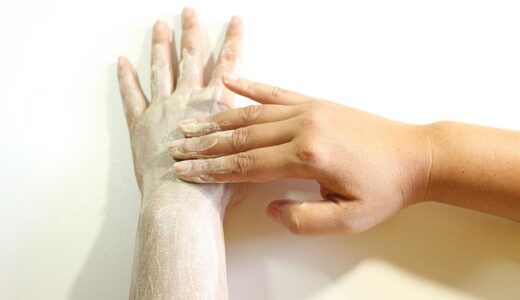
Is Your Moisturizer For Damaged Skin Barrier Helping Or Hurting Recovery
You Might Be Overdoing Skincare: Here Are 6 Signs Your Barrier Is Damaged
When the skin starts stinging at every product or flaking despite constant moisturizing, it’s often not a mystery—it’s barrier damage. Many people unknowingly push their skin too far with actives, acids, and over-cleansing. The result is a compromised barrier that can’t retain moisture or defend against irritants. The solution isn’t more products but smarter ones. Choosing the right moisturizer for damaged skin barrier and simplifying routines can restore balance faster than any trendy serum.
The Skin Barrier and Its Function
A healthy outer layer is the foundation of resilient skin. It protects internal tissues from environmental stress while maintaining water retention and pH stability. When this layer weakens, even mild products can trigger inflammation.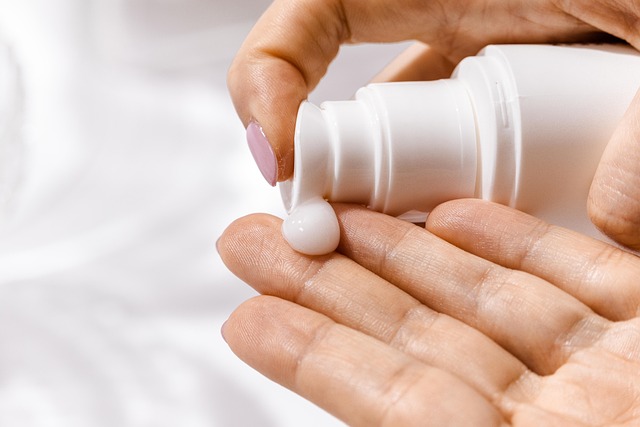
The Structure and Role of the Skin Barrier
The stratum corneum forms the main defensive wall, made up of corneocytes bound by lipids such as ceramides, cholesterol, and fatty acids. These lipids create a matrix that locks in moisture and shields against pollutants or microbes. Ceramides act as glue between cells, while natural moisturizing factors regulate hydration levels. Once disrupted, this structure allows water to escape easily, leading to dryness and visible irritation.
Factors That Contribute to Barrier Damage
Overuse of exfoliating acids or retinoids strips away protective lipids faster than they can regenerate. Harsh cleansers with sulfates remove essential oils that maintain elasticity. External triggers like UV radiation, low humidity, and airborne pollution further degrade the lipid film. Another overlooked cause is overlapping treatments—layering multiple actives without rest days leaves no window for recovery.
Evaluating Moisturizers for a Damaged Skin Barrier
Selecting an effective moisturizer for damaged skin barrier requires understanding how each ingredient interacts with impaired tissue. Some compounds rebuild structure; others inadvertently worsen inflammation.
Key Ingredients That Support Barrier Repair
Ceramides are top-tier ingredients for replenishing lost lipids critical to barrier cohesion. Fatty acids and cholesterol help re-establish the optimal lipid ratio within the stratum corneum, ensuring flexibility and proper cell turnover. Humectants like glycerin or hyaluronic acid attract water molecules from deeper layers or the environment to hydrate without irritation. Formulas combining these three classes—ceramides, fatty acids, and humectants—tend to accelerate repair most effectively.
Ingredients That May Impair Recovery
Fragrances and essential oils often cause micro-inflammation in already compromised skin. Alcohol-heavy formulations increase transepidermal water loss (TEWL), worsening dehydration cycles. Even occlusives like petrolatum can backfire if overused; they may trap heat or bacteria beneath weakened tissue layers, leading to breakouts or redness.
Signs Your Moisturizer Might Be Hindering Recovery
Not all moisturizers help healing; some delay it subtly through poor formulation balance or unsuitable texture.
Persistent Redness or Stinging After Application
If redness lingers after each use, it signals irritation from actives or sensitizing additives such as synthetic fragrance or preservatives. During repair phases, simpler formulations—those free of acids or alcohol—are safer choices until tolerance improves.
Increased Dryness Despite Regular Use
This paradox happens when humectants dominate but occlusives are scarce. The moisture drawn up evaporates quickly without a sealing layer on top. A balanced formula should mimic natural sebum composition with both hydrating agents and lipid reinforcements.
Flare-Ups of Sensitivity or Breakouts
Heavy emollients may clog pores when the barrier’s self-regulation falters. Similarly, mismatched pH values between product and acid mantle slow enzymatic processes responsible for renewal. Switching to non-comedogenic creams with neutral pH often reduces flare-ups within weeks.
Optimizing Skincare Practices for Barrier Restoration
Healing requires more than one good moisturizer—it involves restraint and methodical layering suited to current skin condition.
Simplifying Product Routines During Healing Phases
Reducing active ingredients is key until stability returns. Exfoliants, retinoids, and vitamin C serums should pause temporarily to prevent further disruption. Gentle cleansing using pH-balanced formulas followed by supportive hydration allows natural repair enzymes to work efficiently.
Balancing Hydration and Occlusion Strategically
Restoration depends on balancing water attraction (via humectants) with controlled sealing (via occlusives). The ratio differs depending on oil production levels and climate exposure.
Selecting Appropriate Formulations Based on Skin Needs
Light emulsions containing ceramide complexes are suitable for oily or combination types showing mild impairment since they hydrate without heaviness. Severely compromised barriers benefit from richer creams fortified with cholesterol-lipid blends that closely replicate physiological ratios found in healthy epidermis.
Layering Techniques for Enhanced Efficacy
Apply humectant-rich serums before thicker creams so hydration remains locked in longer. Avoid mixing multiple actives in one routine; chemical interactions may destabilize formulations or neutralize benefits altogether.
The Role of Professional Assessment in Barrier Health Management
Even experienced professionals sometimes overlook systemic factors contributing to chronic sensitivity or delayed healing.
Identifying Underlying Causes Beyond Topical Products
Hormonal fluctuations during stress periods can alter sebum composition; certain medications thin epidermal layers over time. Nutrient deficiencies—especially essential fatty acids—also weaken resilience internally. Dermatological diagnostics such as TEWL measurement quantify water loss rates objectively to track progress across treatment phases.
When to Adjust or Discontinue a Moisturizer Regimen
Barrier recovery is gradual; meaningful results appear after several weeks rather than days. If discomfort persists beyond two weeks or texture worsens visibly, discontinuing that formula is advisable. Continuous monitoring helps refine ingredient selection toward long-term compatibility instead of short-term relief alone.
Emerging Research on Barrier Repair Technologies
Scientific innovation continues reshaping how skincare professionals approach damaged barriers through biomimetic design and microbiome support systems.
Advances in Bio-Mimetic Formulations
Next-generation peptide systems replicate natural lipid alignment patterns within the stratum corneum for faster integration into existing structures. Encapsulation technology now delivers ceramides deeper into intercellular spaces without destabilizing surrounding cells—a leap forward compared with traditional emulsions that sit mostly on surface layers.
The Potential of Microbiome-Friendly Moisturizers
Microbiome-focused formulations nurture beneficial bacteria that modulate immune responses at skin level. Probiotic derivatives maintain microbial diversity crucial for reducing inflammation cycles common in sensitive conditions like rosacea or eczema-prone complexions over time.
FAQ
Q1: How long does it take to repair a damaged skin barrier?
A: Typically two to six weeks depending on severity, lifestyle habits, and consistency of using a suitable moisturizer for damaged skin barrier free from irritants.
Q2: Can exfoliation be resumed during recovery?
A: Only after redness subsides completely; start with mild lactic acid once weekly before returning to stronger actives gradually.
Q3: Does diet affect barrier health?
A: Yes, omega-3 fatty acids from fish oil or flaxseed support lipid synthesis crucial for maintaining elasticity and hydration retention.
Q4: Are all ceramide products equally effective?
A: No; efficacy depends on concentration ratios among ceramides 1–9 combined with cholesterol for structural mimicry close to human sebum composition.
Q5: What cleanser type is safest during repair?
A: Non-foaming cream cleansers with low surfactant content help preserve natural oils while removing debris gently without stripping protective lipids.