Is The Best Skin Care Routine For Oily Skin Incomplete Without Urea

Is Urea an Underrated Skin Care MVP or Just Another Beauty Trend to Skip? We Asked the Experts and Here’s the Scoop
For professionals evaluating active ingredients in modern formulations, urea stands out as a scientifically grounded compound rather than a fleeting beauty trend. Its biochemical versatility—hydration, mild exfoliation, and barrier restoration—positions it as a quiet powerhouse in the best skin care routine for oily skin. Dermatological data consistently show that when used at controlled concentrations, urea improves epidermal water balance without aggravating sebum activity. The verdict from clinical practice is clear: urea deserves its place among enduring dermatological essentials.
The Role of Urea in Skin Physiology
The skin barrier relies on a complex interplay of natural moisturizers and lipids. Among these, urea functions not merely as a hydrator but as a dynamic regulator of epidermal integrity.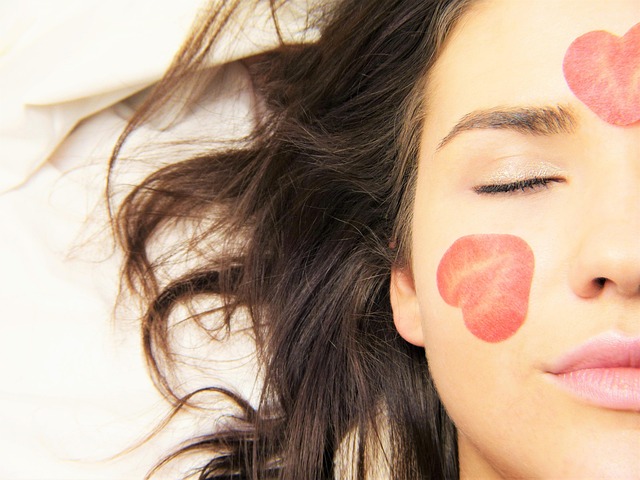
The Biochemical Function of Urea in the Skin Barrier
Urea is a naturally occurring molecule within the skin’s Natural Moisturizing Factor (NMF), crucial for maintaining hydration and elasticity in the stratum corneum. It acts both as a humectant—drawing water into the outer layers—and as a keratolytic agent that promotes gentle exfoliation by loosening corneocyte bonds. This dual action supports smoother texture and improved resilience. In clinical formulations, urea enhances enzymatic processes that regulate cell turnover, contributing to balanced desquamation and improved tactile softness.
How Urea Interacts with Sebum and Oily Skin Types
Oily skin often suffers from internal dehydration masked by excess surface oil. Urea helps correct this imbalance by regulating epidermal water content without adding lipid weight. Its osmotic properties allow it to retain moisture efficiently while supporting barrier repair mechanisms compromised by over-cleansing or acne treatments. This makes it particularly beneficial for oily yet dehydrated conditions where sebaceous activity coexists with transepidermal water loss (TEWL).
Evaluating Urea’s Efficacy in Oily Skin Care Routines
When assessing actives for oily-prone profiles, formulation synergy matters as much as ingredient potency. Urea’s molecular behavior distinguishes it from other common hydrators.
Comparing Urea with Other Common Hydrators
Unlike hyaluronic acid—which binds water primarily on the surface—or glycerin, which can feel tacky in humid climates, urea penetrates deeper layers of the stratum corneum. It offers both hydration and micro-exfoliation, promoting clarity while maintaining comfort. Ceramides strengthen lipid barriers but lack exfoliating properties; combining them with urea yields balanced outcomes. Furthermore, pairing urea with niacinamide or panthenol enhances oil control through complementary barrier support mechanisms.
Concentration Matters: Optimal Levels of Urea for Oily Skin
Concentration dictates performance and tolerance. Low levels between 2–5% are ideal for daily hydration in oily skin without irritation risk. Formulations containing 5–10% improve texture uniformity through enhanced desquamation, refining rough patches common around sebaceous zones. Concentrations above 10% should be reserved for professional use targeting thickened or keratinized areas under dermatological supervision to avoid excessive peeling or sensitivity.
Integrating Urea into Professional Skincare Protocols
For formulators and clinicians designing oily-skin regimens, product stability and sensory profile determine compliance rates among clients.
Formulation Considerations for Oily Skin Products
Urea performs best within pH ranges compatible with skin physiology (approximately 4.5–6). Maintaining stability in emulsions or gel matrices prevents crystallization or degradation over time. Non-comedogenic excipients such as lightweight silicones or esters prevent pore congestion while preserving spreadability. Combining urea with minimal emollients ensures hydration without shine—a key expectation among oily-skin users seeking matte finishes.
Recommended Product Types Containing Urea
Cleansers and Toners with Mild Exfoliating Action
Low-level urea cleansers gently dissolve dead cells while preserving lipid balance, making them suitable for twice-daily cleansing routines that avoid stripping effects common to surfactant-heavy formulas.
Serums and Moisturizers for Daily Maintenance
Serums incorporating 3–5% urea deliver controlled moisture to high-sebum regions like the T-zone without greasiness. Lightweight moisturizers extend this benefit throughout the day by sustaining hydration gradients across epidermal layers.
Targeted Treatments for Texture Refinement
Professional spot treatments containing moderate concentrations target congestion-prone areas such as the nose or chin, improving micro-relief through gradual exfoliation rather than mechanical abrasion.
Expert Insights on Urea’s Position in Modern Dermatology
Dermatologists increasingly classify urea among foundational actives validated by decades of empirical evidence rather than marketing novelty.
Dermatological Perspectives on Long-Term Use of Urea-Based Formulas
Clinical studies demonstrate that consistent application of urea-containing products strengthens barrier function over time by reducing TEWL even in oily complexions prone to imbalance. Long-term users report improved smoothness and reduced post-inflammatory roughness following acne resolution. When formulated correctly, sensitization risk remains minimal due to its endogenous presence within human skin chemistry.
Myths vs Evidence: Is Urea Just Another Trend?
Despite periodic hype cycles, urea’s relevance predates current beauty marketing narratives by several decades of dermatological research. Its multifunctionality—hydration plus exfoliation—aligns precisely with evidence-based skincare principles emphasizing barrier repair and pH balance over cosmetic quick fixes. Experts regard it not as a passing trend but as an enduring molecule supported by reproducible data across diverse populations.
Practical Guidelines for Incorporating Urea into Oily Skin Care Routines
Integrating active ingredients into existing regimens requires structured evaluation rather than impulsive substitution.
Step-by-Step Integration Strategy for Professionals and Clients
Assessing Individual Skin Conditions Before Introduction
Before recommending products containing urea, practitioners should evaluate sebum distribution patterns, dehydration markers such as dullness or tightness after cleansing, and any prior sensitivity history.
Gradual Incorporation into Existing Regimens
Start with low-concentration formulations applied once daily during evening routines to gauge tolerance before increasing frequency or concentration levels based on observed response metrics.
Monitoring Results Through Clinical Observation or Digital Analysis Tools
Track progress using corneometry readings or digital imaging tools assessing gloss variation across facial zones to quantify changes in hydration retention and surface uniformity over time.
Pairing Urea with Complementary Active Ingredients for Enhanced Outcomes
Niacinamide for Barrier Strengthening and Oil Regulation
Niacinamide reinforces ceramide synthesis while moderating sebaceous output; combined with urea it delivers balanced moisture retention without pore occlusion.
Salicylic Acid for Pore Refinement and Acne Control Balance
Salicylic acid complements urea’s hydrating action by clearing follicular debris; together they maintain clarity while preventing rebound dryness often seen after aggressive exfoliation.
Panthenol or Allantoin for Soothing Post-Treatment Recovery
These soothing agents mitigate transient irritation during early adaptation phases when introducing keratolytic actives like urea into clinical protocols.
FAQ
Q1: Can oily skin benefit from daily use of urea-based products?
A: Yes, low-concentration formulas help maintain hydration without increasing oiliness when used consistently within balanced routines.
Q2: Does urea clog pores?
A: No, properly formulated non-comedogenic products containing urea hydrate effectively without obstructing follicles.
Q3: How long does it take to notice improvement?
A: Visible texture refinement typically appears after two to four weeks depending on baseline dehydration levels and routine consistency.
Q4: Can urea be combined with retinoids?
A: Yes, under professional supervision; its humectant effect may reduce dryness associated with retinoid initiation phases.
Q5: What concentration is safe for home use?
A: Concentrations between 2–5% are generally well tolerated across oily skin types when applied once or twice daily within pH-balanced formulations.