What Makes a Skin Routine for Oily Skin Effective During the Monsoon Season

4-Step Monsoon Skincare Routine for Oily, Acne-Prone Indian Skin
During the monsoon season, oily skin often becomes unpredictable due to high humidity and temperature fluctuations. The excess moisture in the air increases sebum production, leading to clogged pores and frequent acne breakouts. A structured skin routine for oily skin that adapts to monsoon conditions is essential. The most effective approach is a four-step regimen—cleansing, toning, moisturizing, and sun protection—each tailored to balance oil levels while maintaining barrier integrity. This article explains how environmental factors influence oily skin during the monsoon and how professionals can design evidence-based skincare strategies for this climate-sensitive condition.
The Behavior of Oily Skin During the Monsoon Season
During monsoon months, the skin’s oil glands react strongly to moisture-laden air. High humidity alters both sebum secretion and microbial activity on the skin surface. This section explores how these changes manifest and what underlying processes drive them.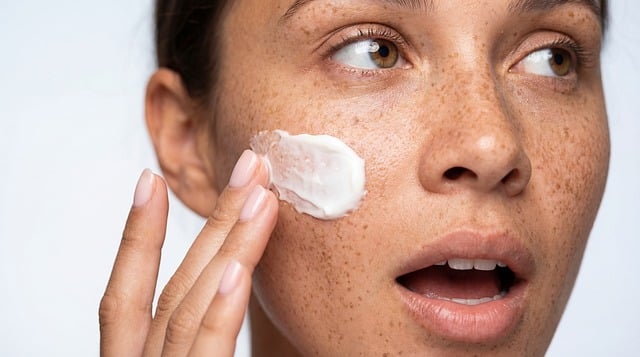
The Impact of Humidity on Sebum Production
Elevated atmospheric moisture stimulates sebaceous glands, resulting in an overproduction of sebum that leaves the skin greasy within hours of cleansing. When combined with airborne pollutants common in urban areas, this excess oil clogs pores and traps bacteria. The resulting microenvironment promotes blackheads, whiteheads, and inflammatory acne lesions. Studies on tropical climates show that humidity exceeding 70 percent significantly increases lipid secretion rates on facial skin. This imbalance between oil output and natural exfoliation often triggers visible shine and uneven texture.
How the Skin Barrier Responds to Monsoon Conditions
The skin barrier’s lipid composition fluctuates with environmental humidity. Inconsistent moisture levels weaken its ability to retain hydration, making it prone to irritation despite excess surface oil. Over-cleansing—often done by those with oily complexions—further disrupts this balance by stripping essential lipids and disturbing the microbiome equilibrium. A stable pH between 4.5 and 5.5 supports enzymatic activity critical for barrier repair; deviations from this range increase sensitivity and redness. Professionals should guide clients toward pH-balanced formulations that preserve barrier resilience while controlling sebum.
Designing a 4-Step Monsoon Skincare Routine for Oily Skin
A well-structured skin routine for oily skin must respect both physiology and environment. During humid months, product textures, surfactant types, and active concentrations need adjustment to prevent occlusion or dehydration.
Step 1: Gentle Yet Effective Cleansing
Cleansing should remove grime without compromising lipid integrity. Sulfate-free gel cleansers are ideal since they lift impurities without over-drying the epidermis. Incorporating mild exfoliants such as salicylic acid helps dissolve trapped sebum inside pores, reducing congestion risk. However, cleansing more than twice daily can provoke rebound oil production as sebaceous glands attempt to compensate for lost moisture.
Step 2: Balancing with a Lightweight Toner
After cleansing, an alcohol-free toner restores pH balance while refining enlarged pores common in oily complexions. Witch hazel offers mild astringent action without irritation, whereas green tea extract provides antioxidant protection against pollution-induced stressors. Niacinamide-enriched toners further regulate sebaceous activity by modulating lipid synthesis pathways and calming inflammation around clogged follicles.
Step 3: Hydration Through Oil-Free Moisturizers
Contrary to popular belief, even oily skin needs hydration during humid weather. Water-based or gel moisturizers supply lightweight moisture retention without pore blockage. Hyaluronic acid binds water molecules within the epidermis yet leaves a matte finish suitable for tropical climates. Non-comedogenic formulations containing ingredients like squalane maintain elasticity while preventing acne formation under sticky conditions typical of monsoons.
Step 4: Sun Protection Tailored for Humid Weather
UV exposure remains significant during cloudy days; hence sunscreen cannot be skipped. Broad-spectrum formulas offering SPF 30 or higher are recommended for daily use. For oily skin types, matte-finish sunscreens containing zinc oxide or titanium dioxide minimize shine while reducing irritation risk from chemical filters. Reapplication every three hours maintains consistent UV defense despite perspiration or rain exposure.
Key Active Ingredients Beneficial for Oily, Acne-Prone Skin in Monsoon
Selecting actives suited to humid environments enhances treatment precision. Acids and antioxidants play distinct yet complementary roles in maintaining clarity and resilience.
Role of Beta Hydroxy Acids (BHAs) and Alpha Hydroxy Acids (AHAs)
BHAs such as salicylic acid penetrate deep into follicles where they dissolve hardened sebum plugs responsible for breakouts. Their lipophilic nature makes them particularly effective on oily surfaces exposed to pollution particles during monsoons. AHAs like glycolic acid work at the epidermal level by promoting cell turnover; this reduces dullness caused by retained dead cells while improving overall texture uniformity.
Importance of Antioxidants in Managing Environmental Stressors
Antioxidants protect against oxidative stress intensified by high humidity and airborne pollutants prevalent in Indian cities during rainy months. Vitamin C neutralizes free radicals generated by UV radiation that penetrates through clouds, supporting collagen synthesis simultaneously. Green tea polyphenols offer anti-inflammatory effects that reduce redness associated with acne eruptions while reinforcing cellular defense mechanisms against environmental aggressors.
Common Mistakes in Monsoon Skincare for Oily Skin Professionals Should Address
Professionals often observe recurring missteps among clients adjusting their routines seasonally. Correcting these behaviors prevents long-term barrier impairment.
Over-Cleansing and Product Overuse
Many individuals with oily skin assume frequent washing will control shine; however, excessive cleansing strips natural oils essential for barrier stability, prompting compensatory sebum surge within hours. Similarly, layering multiple actives—like acids with retinoids—without professional guidance can irritate already sensitive monsoon-exposed skin.
Ignoring Seasonal Adjustments in Routine Formulations
Products suitable during dry winter months may become too occlusive when humidity rises above 60 percent. Heavy creams or occlusive emollients trap sweat beneath the surface leading to follicular blockage and bacterial proliferation. Professionals should reassess ingredient concentrations seasonally to maintain efficacy without inducing congestion or dehydration cycles.
Integrating Clinical Insights into Professional Recommendations
Dermatological assessment tools now enable precise monitoring of sebum output and transepidermal water loss across varying climates—a valuable resource during monsoon transitions.
Assessing Sebum Levels and Barrier Function Before Routine Design
Objective evaluation using devices like sebumeters allows practitioners to quantify oil secretion before recommending products or treatments. Measuring barrier function through TEWL analysis ensures chosen formulations support restoration rather than aggravation of imbalance caused by fluctuating humidity levels.
Educating Clients on Consistency and Environmental Adaptation
Client education remains central to successful outcomes. Consistent adherence builds cumulative regulation of sebaceous activity over time rather than abrupt suppression attempts that backfire physiologically. Awareness about environmental adaptation—such as reapplying sunscreen after rainfall or choosing breathable fabrics—complements topical care strategies effectively.
FAQ
Q1: Why does oily skin worsen during monsoon?
A: Increased humidity stimulates sebaceous glands leading to higher oil secretion which mixes with sweat and pollutants causing clogged pores.
Q2: Can exfoliation be done daily in humid weather?
A: No, exfoliating two or three times weekly is sufficient; excessive use disrupts barrier lipids making skin more reactive.
Q3: What type of sunscreen suits oily Indian skin?
A: Matte-finish mineral sunscreens containing zinc oxide or titanium dioxide are best as they control shine while providing UV protection.
Q4: Are moisturizers necessary if the face feels greasy?
A: Yes, skipping moisturizer can dehydrate deeper layers prompting more oil production; choose lightweight gel-based options instead.
Q5: How long should one maintain a seasonal skincare switch?
A: Maintain monsoon-specific products throughout humid months then gradually transition back once ambient moisture drops below typical thresholds around early winter.