How Can a Dry Skin Care Routine Protect Sensitive Skin in Summer Heat
How to Care for Sensitive Skin During Hot Summer Months
Sensitive skin in summer demands precision care. High heat, humidity, and UV exposure weaken the skin barrier, making dryness and irritation more frequent. The most effective dry skin care routine during hot months focuses on hydration, barrier repair, and protection. Experts agree that maintaining lipid balance, using gentle cleansers, and applying broad-spectrum sunscreen form the foundation of resilience against seasonal stressors.
Understanding the Relationship Between Dry Skin and Summer Sensitivity?
Seasonal changes dramatically affect how dry skin reacts to environmental conditions. In summer, increased temperature and humidity alter the skin’s natural defenses, leading to sensitivity even in individuals with previously stable conditions.
How Heat and Humidity Affect the Skin Barrier
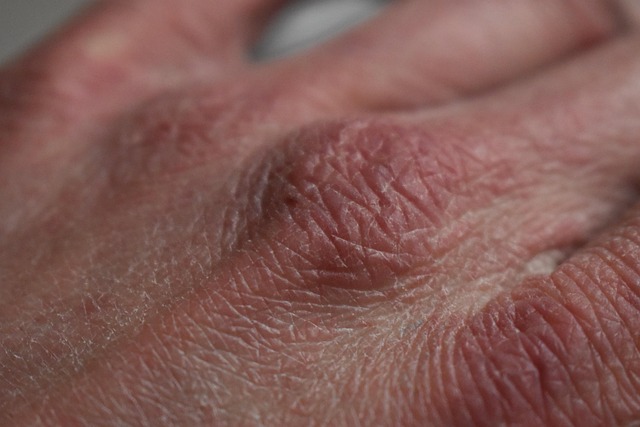
High temperatures accelerate transepidermal water loss (TEWL), which depletes moisture reserves within the stratum corneum. This process leaves skin feeling tight and flaky. UV radiation further breaks down lipids that hold cells together, compromising the barrier’s ability to retain hydration. Sweat mixed with sebum can also disrupt pH balance, causing redness or a stinging sensation in already dry areas.
The Role of Dehydration in Skin Sensitivity
Dehydrated skin lacks both water and essential lipids that preserve elasticity. When combined with summer heat or air conditioning, dehydration becomes chronic. This condition limits the epidermis’ natural repair capacity and weakens its protective layer against external irritants. A consistent dry skin care routine must therefore target both surface hydration and internal moisture retention.
Building an Effective Dry Skin Care Routine for Summer
A professional-grade summer skincare plan should strengthen the barrier while minimizing inflammation triggers. Each product step—from cleansing to sun protection—must respect the delicate lipid-water balance of sensitive skin.
Selecting Cleansers That Support Barrier Integrity
Cleansing is often where many routines fail. Harsh surfactants strip away natural oils critical for protection. Instead, mild non-foaming cleansers with a pH close to 5.5 maintain equilibrium without leaving residue. Ingredients like glycerin or ceramides are beneficial since they attract water molecules while reinforcing lipid layers.
Optimizing Moisturization Strategies in Hot Climates
Heavy creams can feel suffocating under high humidity; lighter emollients perform better by locking in hydration without blocking pores. Applying humectants such as hyaluronic acid beneath occlusive agents helps trap moisture efficiently. Reapplication after washing or prolonged sun exposure keeps hydration levels consistent throughout the day.
The Importance of Daily Sun Protection for Sensitive Skin
UV rays are among the most aggressive causes of dryness and irritation during summer months. Broad-spectrum sunscreens reduce inflammation risk by shielding against UVA and UVB damage. Physical filters like zinc oxide or titanium dioxide are preferred for sensitive types due to their lower reactivity compared to chemical filters. Consistent reapplication every two to three hours ensures lasting defense.
Key Ingredients That Strengthen Dry and Sensitive Skin in Summer
Selecting ingredients based on functionality rather than trend is essential for maintaining professional skincare standards during heat-intensive months.
Hydrating Agents That Restore Moisture Balance
Hyaluronic acid holds up to 1,000 times its weight in water within the stratum corneum, improving suppleness instantly. Panthenol (vitamin B5) calms irritation while boosting hydration levels at a cellular level. Urea not only retains moisture but also softens rough patches commonly found on elbows or cheeks exposed to sun stress.
Barrier-Reinforcing Compounds for Resilient Skin Function
Ceramides replenish lost lipids vital for maintaining cohesion between corneocytes—the cells forming the outermost layer of skin. Niacinamide reduces redness by improving microcirculation and supporting keratinocyte metabolism. Fatty acids derived from plant oils like jojoba or evening primrose rebuild structural integrity within intercellular spaces.
Adjusting Lifestyle Habits to Support a Dry Skin Care Routine in Summer Heat
Topical products alone cannot offset environmental dehydration; lifestyle habits play an equally important role in sustaining healthy skin function under heat exposure.
Managing Environmental Exposure and Hydration Levels
Avoiding direct sunlight during peak hours significantly lowers oxidative stress caused by UV radiation. Increasing daily water intake supports internal hydration that complements topical moisturizers. Indoor environments cooled by air conditioning often lack humidity; using a humidifier restores ambient moisture necessary for balanced epidermal hydration.
Nutrition and Supplementation for Skin Health Maintenance
Diet directly influences barrier quality and recovery speed after sun exposure. Omega‑3 fatty acids improve lipid synthesis within cell membranes, enhancing flexibility and reducing flakiness. Antioxidant-rich foods—berries, leafy greens, green tea—counteract free radicals generated by UV contact. Nutrients supporting collagen formation such as vitamin C accelerate tissue repair processes essential for firmness retention.
Evaluating Product Formulation and Application Techniques for Experts
Professionals analyzing product performance must consider environmental conditions affecting formulation behavior during high-temperature seasons.
Understanding Formulation Synergy in Summer Skincare Products
Ingredient interaction determines absorption efficiency under humidity variations common in tropical climates. For instance, volatile silicones may evaporate faster at higher temperatures, altering finish or efficacy of active compounds like niacinamide or peptides. Stability testing under simulated sunlight is crucial when evaluating antioxidants prone to oxidation such as vitamin E or ferulic acid.
Application Protocols Tailored to Sensitive, Dry Skin Types
Layering sequence influences how effectively actives penetrate without causing irritation. Start with lightweight serums before applying denser creams to avoid occlusion effects that trap heat on sensitive surfaces. Allow one to two minutes between applications so each layer settles properly before adding another product. Frequency adjustments based on local climate—twice daily in humid regions versus once daily in arid zones—help maintain comfort without overburdening skin physiology.
FAQ
Q1: Why does dry skin become more sensitive during summer?
A: Increased temperature accelerates water loss from the epidermis while UV exposure breaks down protective lipids, leaving skin more reactive than usual.
Q2: What type of moisturizer works best in humid weather?
A: Lightweight gel-based moisturizers containing humectants like glycerin or hyaluronic acid hydrate effectively without clogging pores under high humidity conditions.
Q3: How often should sunscreen be reapplied?
A: Every two to three hours when outdoors; sweat or swimming may require more frequent application even if using water-resistant formulas.
Q4: Can diet influence how dry skin responds to heat?
A: Yes, consuming omega‑3 fats and antioxidant-rich foods strengthens lipid composition while reducing inflammation triggered by UV stressors.
Q5: Is it necessary to change cleansers seasonally?
A: For sensitive dry types, switching from foaming cleansers in winter to milder hydrating formulas during summer helps maintain barrier stability against environmental shifts.